
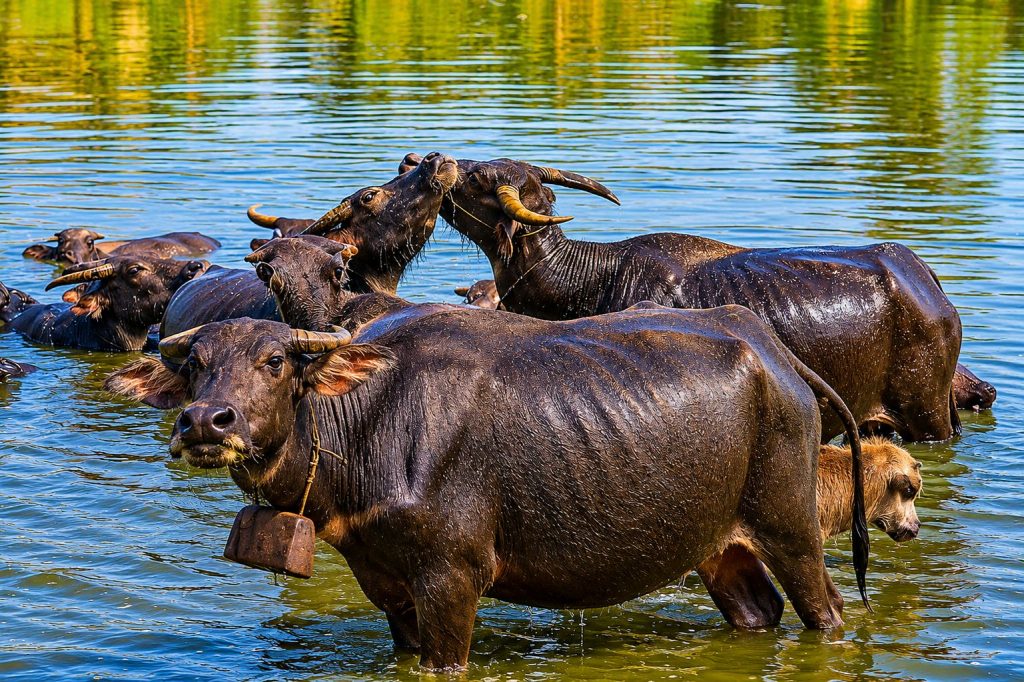
Between rural traditions, agriculture and spirituality, water buffaloes remain deeply connected to Asia’s history. Yet across many regions, their presence is rapidly declining as rural life modernizes. From the rice fields of Indonesia to the plains of Vietnam, this gradual disappearance also reflects the fading of an ancestral way of life.
Article and photographs by Damien Lafon.
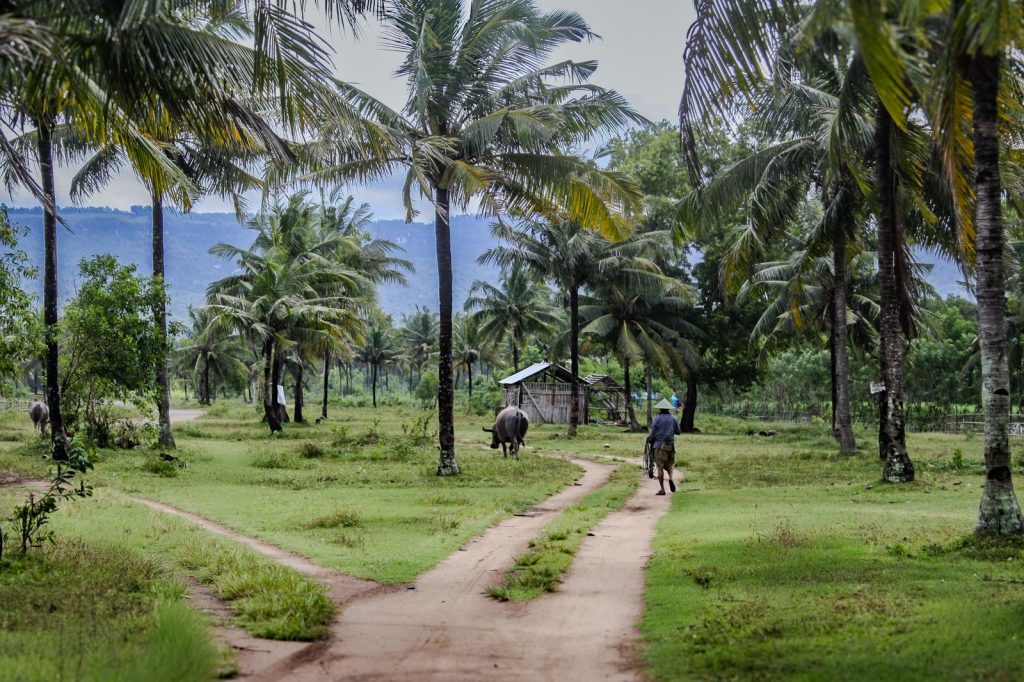
Water Buffaloes Shaped Asian Rice Fields for Centuries
For generations, water buffaloes supported the agricultural development of Asia. Thanks to their strength and endurance, they helped farmers plow flooded rice fields long before modern farming machines arrived. In countries such as Indonesia, Thailand and Vietnam, buffaloes also transported crops and goods. Their presence remained essential in rural villages. Farmers depended directly on these animals to cultivate wet lands and sustain agricultural production.
Unlike many other species, water buffaloes adapt perfectly to muddy soils and tropical heat. Their wide hooves reduce sinking in flooded rice fields. This natural adaptation explains their central role in traditional Asian agriculture. Even today, some rural communities still rely on buffaloes to work the fields. However, their presence is becoming increasingly rare across several parts of Asia.
Why Are Buffaloes Considered Sacred in Asia?
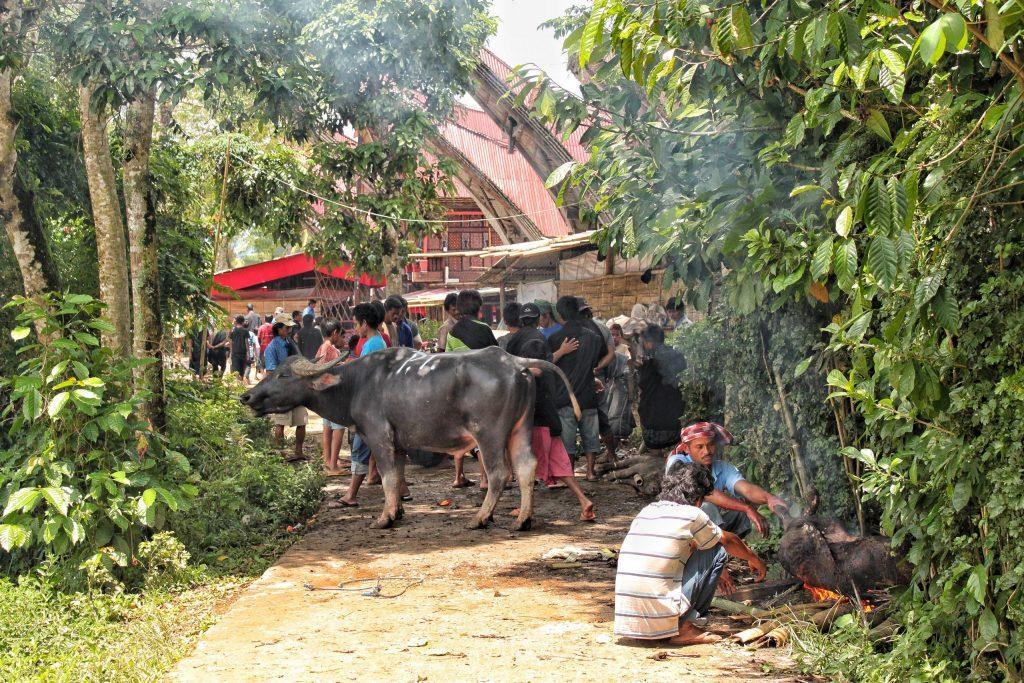
In many Asian cultures, buffaloes represent far more than agricultural animals. They often symbolize prosperity, fertility and the connection between the living and their ancestors. Several traditional ceremonies still give buffaloes an important spiritual role. In Tana Toraja, buffaloes continue to play a central role in traditional funeral ceremonies. Some families save money for years to purchase rare animals used during rituals. Albino buffaloes remain especially valued in this Indonesian region.
Across several villages in Southeast Asia, buffaloes also symbolize patience, stability and resilience. Their image still appears in local beliefs, oral traditions and rural stories passed down through generations. However, these traditions are also evolving alongside the rapid modernization of Asian rural life.
Mechanization Is Transforming Asian Countryside
Over the past decades, farming machines have progressively replaced working animals. Small tractors and mechanized tools allow farmers to work faster while reducing manual labor. As a result, many farmers are gradually abandoning buffalo farming. In several regions, younger generations are also leaving villages to move toward large cities. Agricultural lands continue to shrink because of tourism development and urban expansion. This transformation directly reduces the role of buffaloes in rural communities.
Raising buffaloes also requires time, land and significant financial resources. Veterinary care and feeding costs have become difficult for many rural families to sustain. As a result, buffaloes are progressively disappearing from many Asian agricultural landscapes.
Did You Know?
Domestic water buffaloes have accompanied Asian societies for more than 5,000 years. They still remain essential in certain isolated rural regions.
A Disappearance That Is Changing Rural Landscapes
The gradual disappearance of buffaloes is also transforming the atmosphere of Asian countryside. For decades, rice fields followed the slow rhythm of animals and collective agricultural work. Today, engines increasingly replace these traditional scenes. In several villages across Indonesia and Vietnam, older generations describe a major rupture with the rural world they once knew. Agricultural work has become faster, yet often more isolated. Some ancestral farming practices are disappearing alongside the last traditional farmers.
For many photographers and documentary filmmakers, this evolution also represents an important cultural loss. Buffaloes symbolized a unique relationship between people, land and time. Ultimately, the decline of working animals reflects the deep transformations affecting Asian rural societies today.
Buffaloes Still Play an Important Role in Some Regions
Despite this gradual decline, buffaloes remain present in several rural areas across Asia. Some communities continue to favor traditional farming methods adapted to wet rice cultivation. In isolated or mountainous regions, farming machines remain difficult to use. Buffaloes therefore continue to hold an essential place in the daily lives of local farmers.
At the same time, researchers and organizations are now trying to preserve several local water buffalo breeds. These initiatives also aim to protect traditional agricultural knowledge threatened by rapid modernization. However, these efforts remain limited compared to the economic and urban transformations currently affecting large parts of rural Asia.
Did You Know?
Some buffaloes used during Toraja ceremonies can reach extremely high prices. Rare animals sometimes represent several years of income for certain families.
What the Disappearance of Buffaloes Reveals About Modern Asia
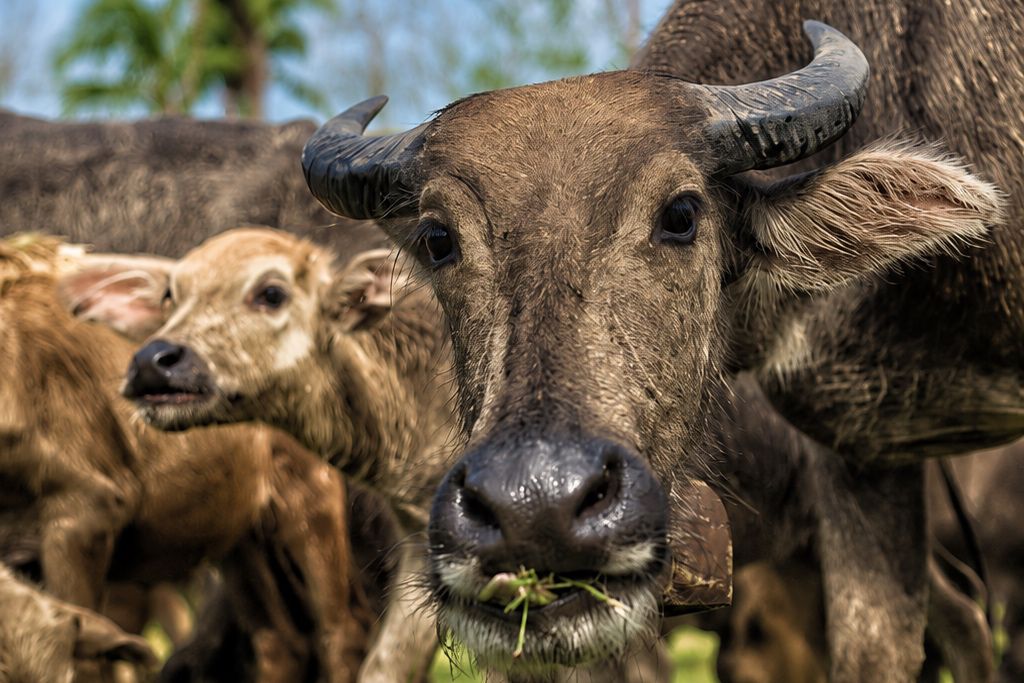
The decline of buffaloes in Asian rice fields goes far beyond agriculture alone. It mainly reveals the rapid transformations reshaping rural Asia today. Behind every animal replaced by a machine, traditions, gestures and rural memory slowly disappear as well. Across many Asian regions, buffaloes still symbolize an ancient balance between humans and the land. They remind people of a time when seasons still dictated the rhythm of rural life. As urbanization continues to expand, the last buffaloes wandering through rice fields are becoming silent witnesses of a world undergoing profound transformation.
FAQ
Buffaloes have long been used for agricultural work in rice fields. They also represented wealth and family stability.
Agricultural mechanization, urbanization and rural migration are gradually reducing their presence across many Asian regions.
Yes. Several rural regions still use buffaloes for farming activities and traditional ceremonies.
In several Asian societies, buffaloes symbolize prosperity, ancestors and spiritual beliefs.
Buffaloes can still be seen in rural parts of Indonesia, Vietnam, the Philippines and Thailand.
Follow us on Instagram and Facebook to stay informed
This article may be of interest to you: The Blue Wildebeest, Sentinel of the African Savannas