
In Vietnam, cinnamon cultivation illustrates the subtle alliance between peasant traditions, scientific research, and global challenges. The fragrant bark tells a story where ancient knowledge, international markets, and environmental issues intertwine.
Article by Damien Lafon and photographs by Tifenn Calvez.
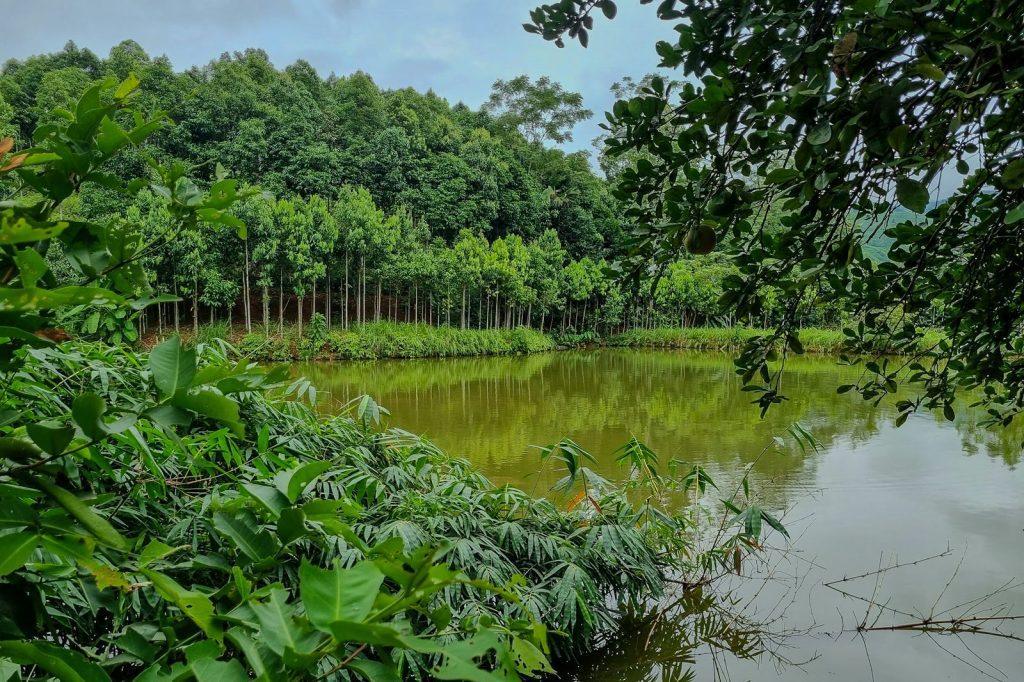
Cinnamon cultivation in Vietnam, an ancestral heritage of the mountains
In Vietnam’s highlands, cinnamon cultivation is deeply rooted in practices passed down through generations. The Dao and Hmong ethnic groups regard this tree as both a spiritual and economic resource. The dried bark has long circulated in local markets, providing income and recognition for mountain families. At the same time, seasonal rituals still link the harvest to animist beliefs. Thus, cinnamon transcends its role as a spice to embody a true bond between culture and nature.
Vietnamese cinnamon, an economic pillar for rural communities
Today, Vietnamese cinnamon represents an essential lever for the economy of provinces such as Yen Bai, Lao Cai, and Quang Nam. Rural families heavily rely on this cultivation to finance schooling, healthcare, and social rituals. Moreover, global demand is increasing, particularly in India, Europe, and the United States. Consequently, exports generate new opportunities for producers. In addition, local cooperatives promote organic certification and guarantee fair prices. By connecting traditions and global trade, Vietnamese cinnamon directly contributes to rural development.
The medicinal virtues of cinnamon in Vietnam
Cinnamon also holds an important place in Vietnamese traditional medicine. Rich in essential oils, it has anti-inflammatory and stimulating properties. Numerous scientific studies now confirm its benefits against diabetes and certain bacterial infections. In this way, science reinforces popular knowledge transmitted over centuries. In villages, people still prepare infusions and dried powders to ease pain and digestive troubles. Furthermore, local herbalists combine cinnamon with other medicinal plants, creating remedies that remain widely used.
Did you know?
In the 19th century, French explorers already referred to Vietnamese cinnamon as the “pearl of Asian spices.” Its exports then reached the colonial empire.
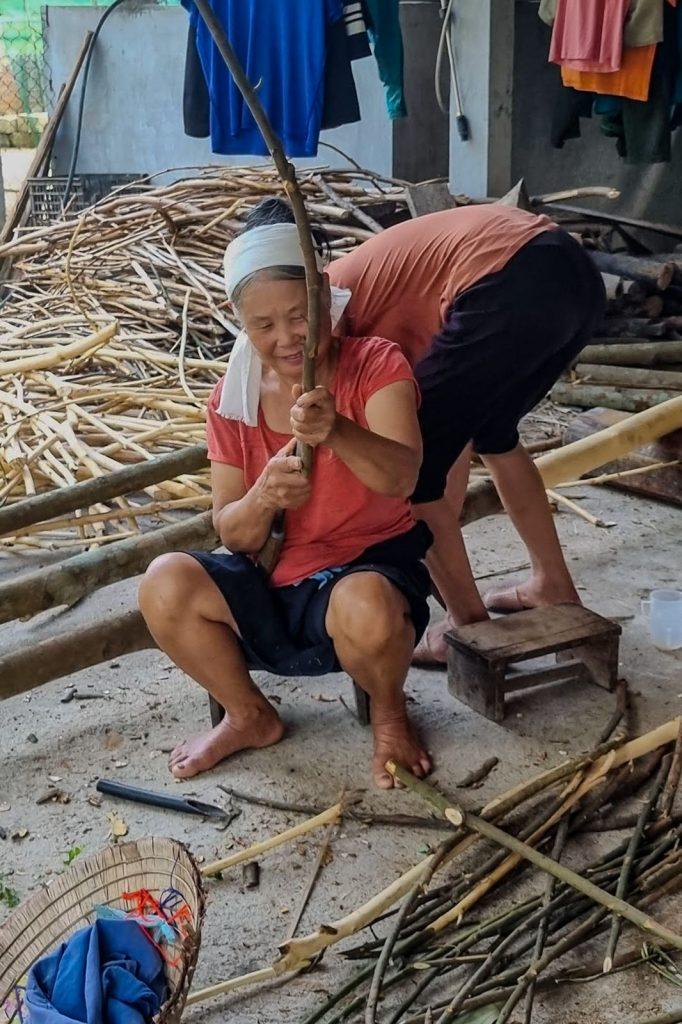
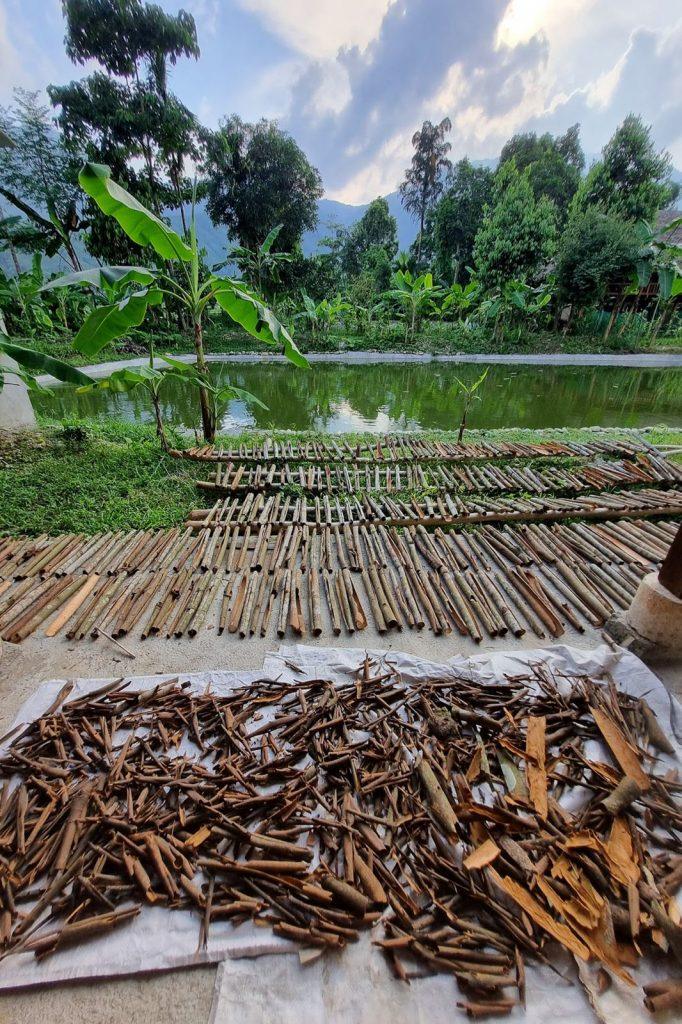
Sustainable cinnamon cultivation facing environmental challenges
However, cinnamon cultivation faces multiple threats linked to climate and deforestation. Uncontrolled agricultural expansion reduces biodiversity, while irregular rainfall disrupts tree growth. On the other hand, initiatives are emerging to make the sector more sustainable. For instance, some NGOs encourage agroforestry and collective replanting. In addition, limited pesticide use protects both farmers’ health and the soil. Thanks to these efforts, cinnamon has become a living laboratory for experimenting with environmentally friendly agriculture in Vietnam.
Cinnamon and science, a promising future in Vietnam
Beyond its traditional uses, cinnamon is now attracting the attention of researchers and the pharmaceutical industry. Its bioactive molecules raise hopes in nutritional and cosmetic fields. Moreover, Vietnamese universities collaborate with rural communities to document knowledge and practices. This research allows scientific innovation to be combined with cultural heritage preservation. As a result, cinnamon embodies a future where economy, science, and traditions cooperate. Ultimately, cinnamon cultivation in Vietnam symbolizes the hope for a sustainable and inclusive model.
Vietnamese cinnamon, an identity and cultural resource
Finally, cinnamon holds strong identity value for mountain communities. It appears in songs, oral traditions, and certain ceremonies. For example, offering cinnamon sticks sometimes marks weddings or births. This symbolic dimension reminds us that the spice goes beyond mere economic value. It represents the continuity of a deep bond between humans and the forest. Preserving cinnamon cultivation in Vietnam therefore also means safeguarding an endangered intangible cultural heritage.
Did you know?
Cinnamon bark contains cinnamaldehyde, a molecule responsible for its strong fragrance and antimicrobial properties studied by modern science.

Follow us on Instagram and Facebook to stay informed and support our media via www.helloasso.com
This article may interest you: Clove: A Small Spice with a Far-Reaching Story