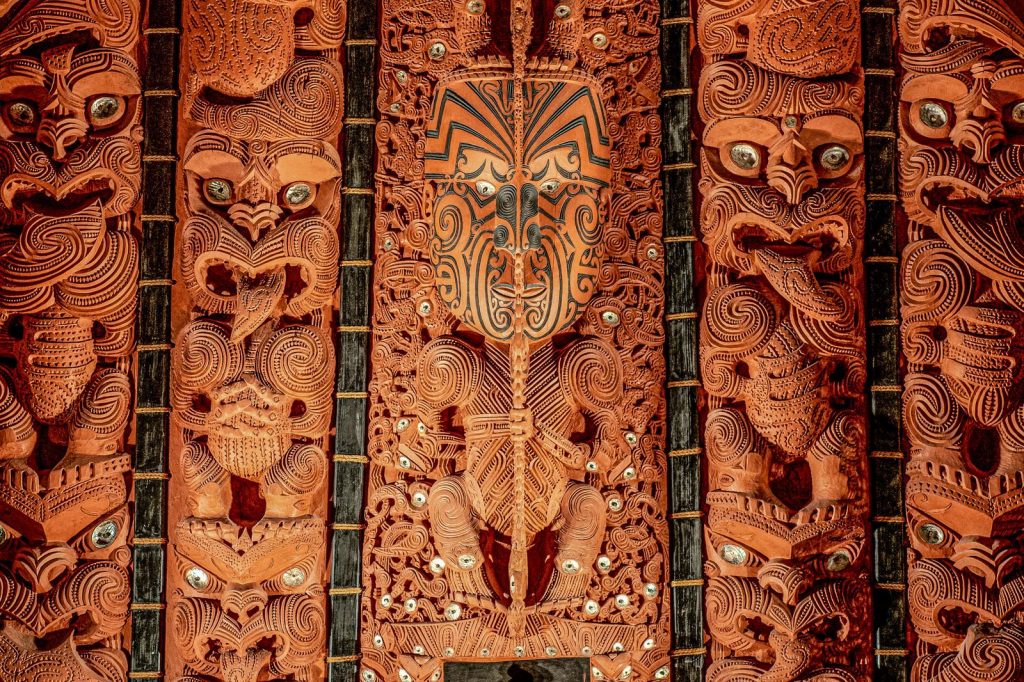
The Ta Moko goes far beyond a simple tattoo. It represents a complex identity system rooted in history, spirituality, and social structure. Both a living memory and a cultural expression, it reveals a deep connection between the body, ancestors, and land. Today, this ancestral art is experiencing a strong revival while raising contemporary issues related to transmission and respect for traditions.
Article & photographs by Svetlana Markoff.
Polynesian origins and the construction of a body language
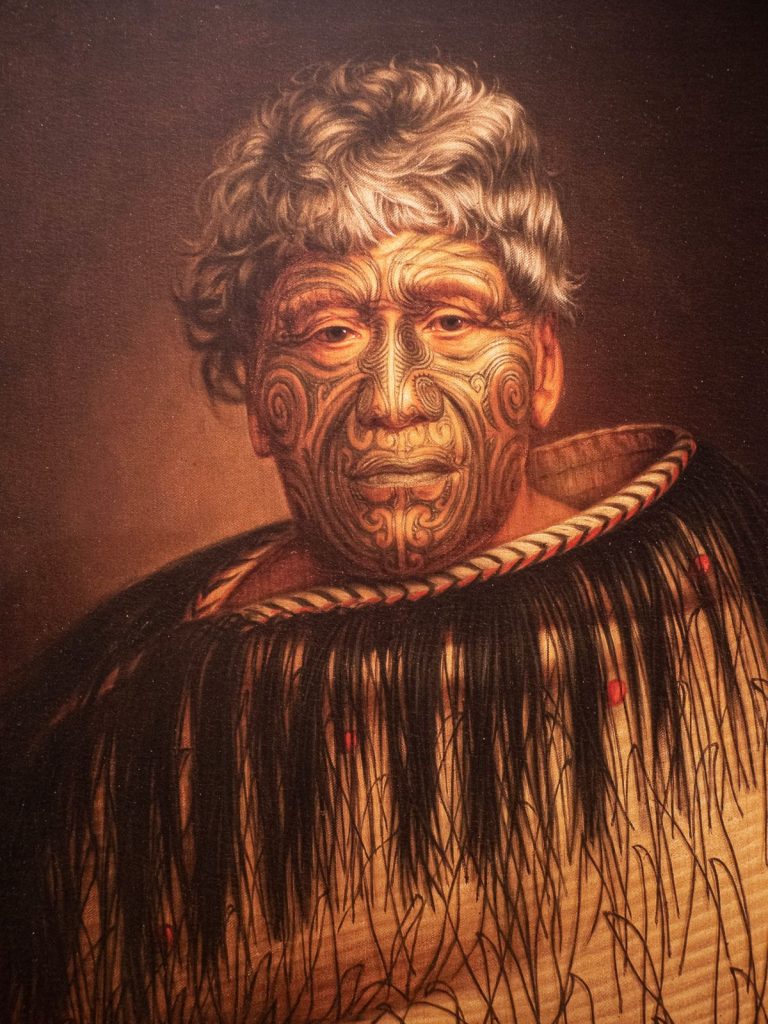
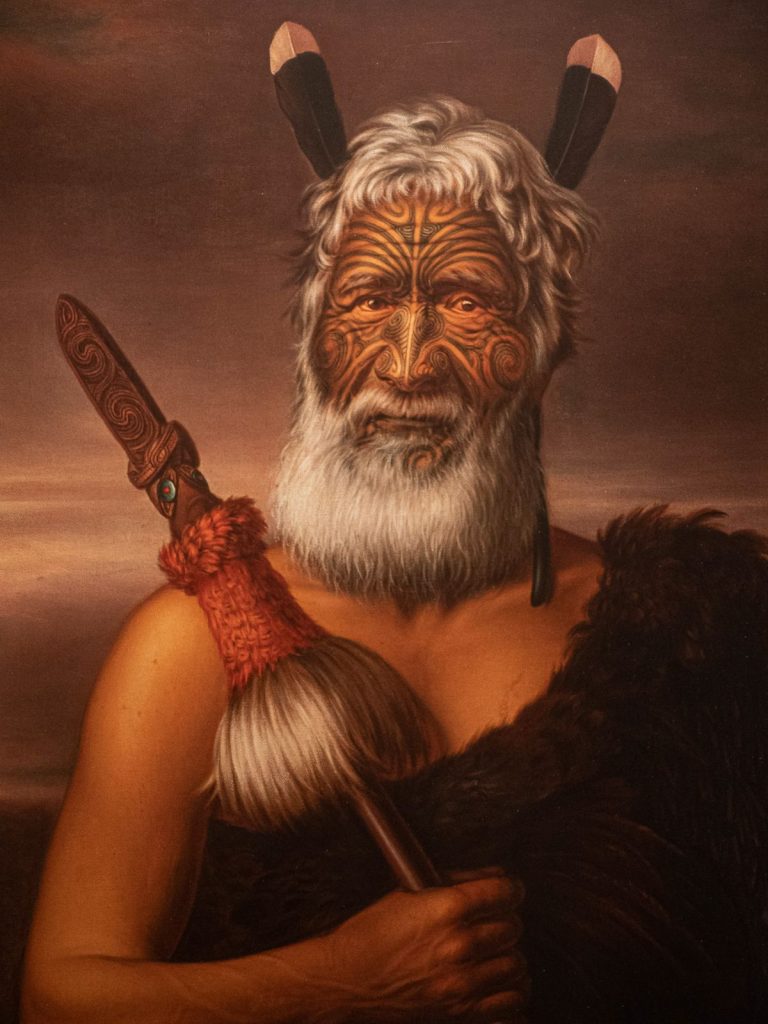
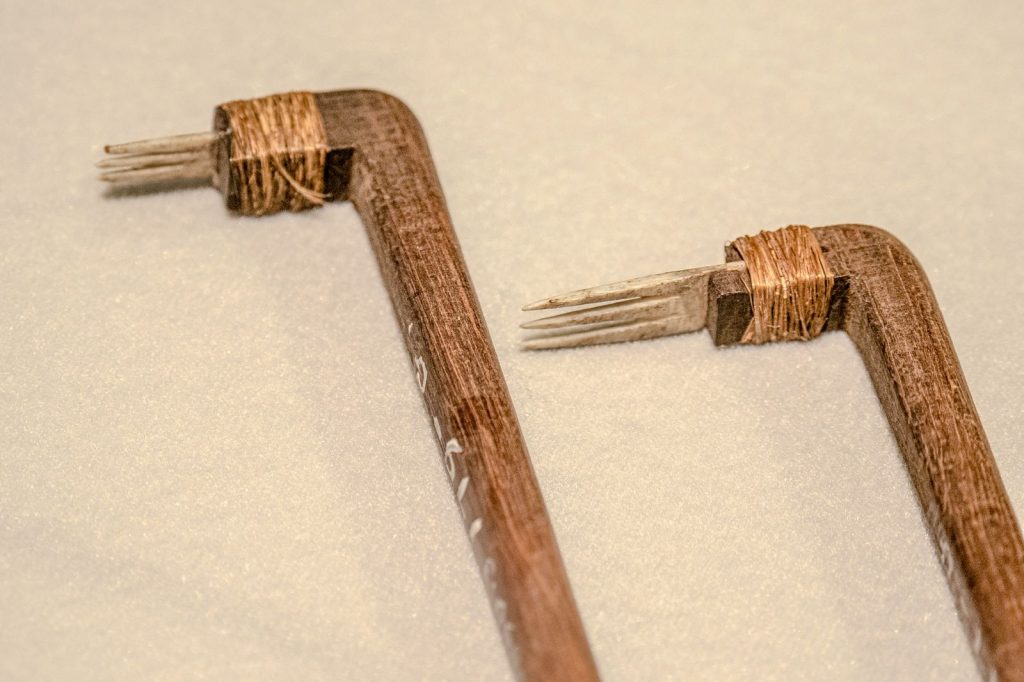
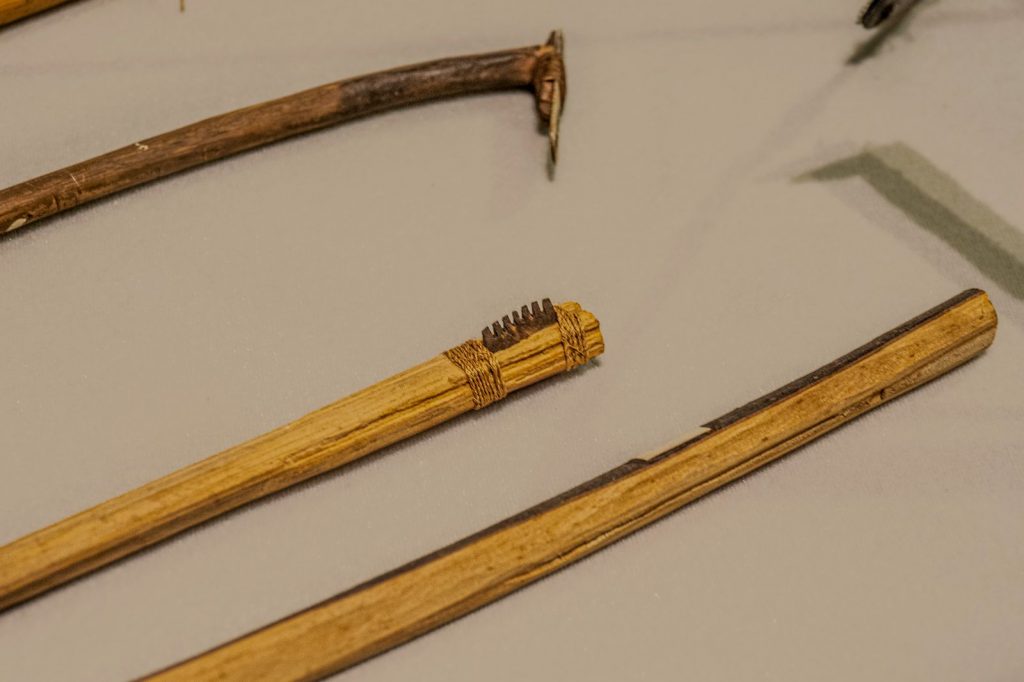
Ta Moko finds its origins in Polynesian migrations to New Zealand. The Maori people developed a visual system to compensate for the absence of writing. As a result, the body became a structured medium of communication. Each motif encodes information related to identity and lineage. In this way, the tattoo functions as a true social signature. It allows individuals to be identified along with their status within the community. Moreover, geographical isolation encouraged a distinct evolution. Maori techniques gradually diverged from traditional Polynesian tattooing. Traditional tools carved the skin and created a unique relief. This process reinforced the visual and symbolic dimension of Ta Moko.
Spiritual dimension and the role of mana
Ta Moko is deeply rooted in spirituality. It is directly linked to the concept of mana, an invisible and sacred force. The tattoo reveals this inner energy and makes it visible. It also materializes the connection between the individual and their ancestors. Furthermore, Whakapapa plays a central role in this practice. Each motif tells a genealogy and a family history. Historically, only high-ranking individuals wore these markings. They symbolized power, wealth, and social responsibility. Today, the practice has become more accessible while still preserving its codes. However, respect for tradition remains essential.
Did you know?
Traditional Ta Moko used natural pigments derived from organic materials, such as soot or certain plant-based substances.
Facial codification and gender differentiation
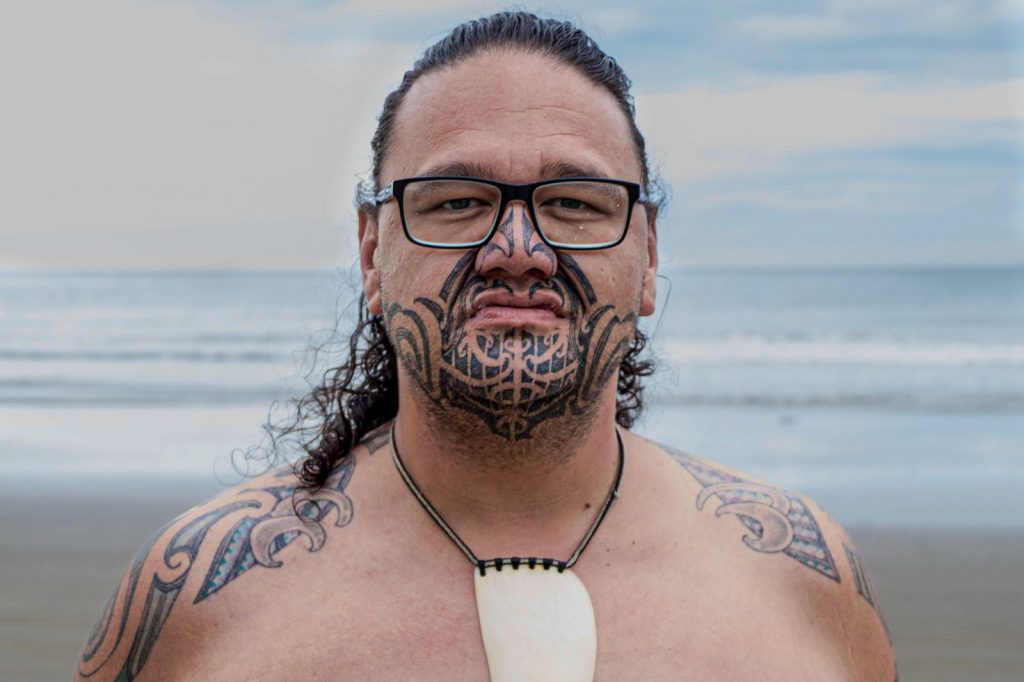
The face plays a central role in Ta Moko. It is considered the most sacred part of the body. For women, the Moko Kauae is located on the chin. It symbolizes maturity and the ability to transmit culture. For men, the Moko Kanohi often covers the entire face. Each area corresponds to a social role or responsibility. As a result, the face becomes a complete identity map. It allows an immediate reading of status and personal history. This precise codification strengthens the complexity of the system and distinguishes Ta Moko from Western tattoos.
Ritual process and traditional techniques
The creation of Ta Moko follows a structured ritual process. It begins with meeting a Tohunga ta moko. Then, a detailed dialogue helps define the final design. Each tattoo remains unique and adapted to the individual. The ceremony includes chants, prayers, and the presence of family members. These elements reinforce the sacred nature of the act. In the past, traditional tools cut directly into the skin. They produced a distinctive grooved effect. Today, modern machines dominate the practice. However, some artists continue to preserve ancestral methods.
Did you know?
The process could last several days depending on size and involved strict restrictions to preserve the sacred nature of the ritual.
Colonization and gradual decline
European colonization deeply transformed Maori culture. A law banned Ta Moko in the 1840s. As a result, the practice declined rapidly and nearly disappeared in the twentieth century. At the same time, Te Reo Maori was banned in schools. This policy severely weakened cultural transmission. Traditions fragmented and lost continuity. Ta Moko became marginal within society. However, this period laid the foundation for a future revival and marked a major turning point.
Contemporary revival and current challenges
Since the 1970s, a cultural revival has emerged. Maori communities have reaffirmed their identity and traditions. Te Reo Maori became an official language in 1987. This recognition encouraged the return of Ta Moko in contemporary society. Today, it symbolizes a strong cultural reclaiming. It expresses pride, resistance, and identity continuity. However, its growing popularity raises sensitive questions. Cultural appropriation has become a major issue. Therefore, artists distinguish between Ta Moko and Kirituhi. This distinction protects traditions while allowing adaptation.
FAQ
Ta Moko encodes a precise cultural and genealogical identity. A regular tattoo is generally aesthetic or personal.
Yes, certain motifs remain strictly reserved. Non Maori individuals may receive Kirituhi instead.
Yes, it is experiencing a strong cultural revival. It now represents a powerful expression of identity.
The face is sacred in Maori culture. It represents the complete identity of a person.
Follow us on Instagram and Facebook to stay informed
This may interest you: Kea Parrot: The Intelligence of New Zealand’s Alpine Heights