When we think about the most dangerous animals in the world, images of a great white shark, a lion, or a crocodile often come to mind. Yet the species responsible for the highest number of human deaths are not necessarily the ones we fear the most. Some are tiny, discreet, and almost invisible. Between diseases, parasites, and predators, science reveals a reality very different from the one shaped by our imagination. Here are five animals that genuinely pose the greatest threat to human beings.
article by Damien Lafon.
The Mosquito: The Deadliest Animal on Earth
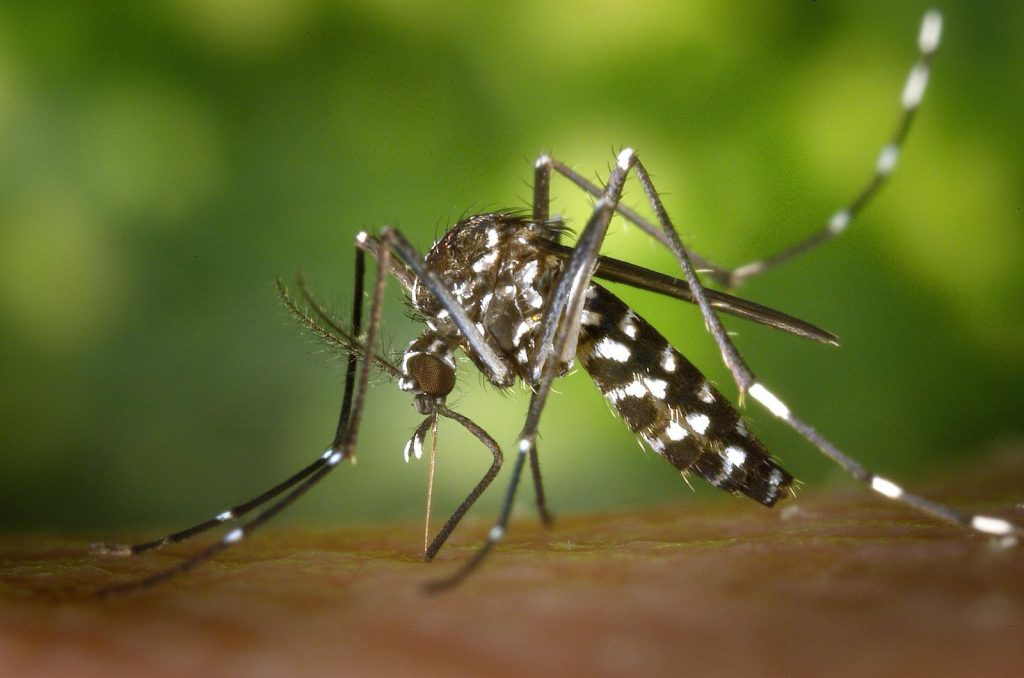
Every year, mosquitoes are responsible for hundreds of thousands of deaths worldwide. However, their bite is not directly lethal. The real danger comes from the diseases they transmit, including malaria, dengue fever, Zika virus, and yellow fever. Across many tropical regions, these diseases continue to affect millions of people. Despite advances in medicine, the mosquito remains the animal responsible for the greatest number of human deaths. Its impact on global health far exceeds that of any large predator.
Snakes: A Major Threat in Many Parts of the World
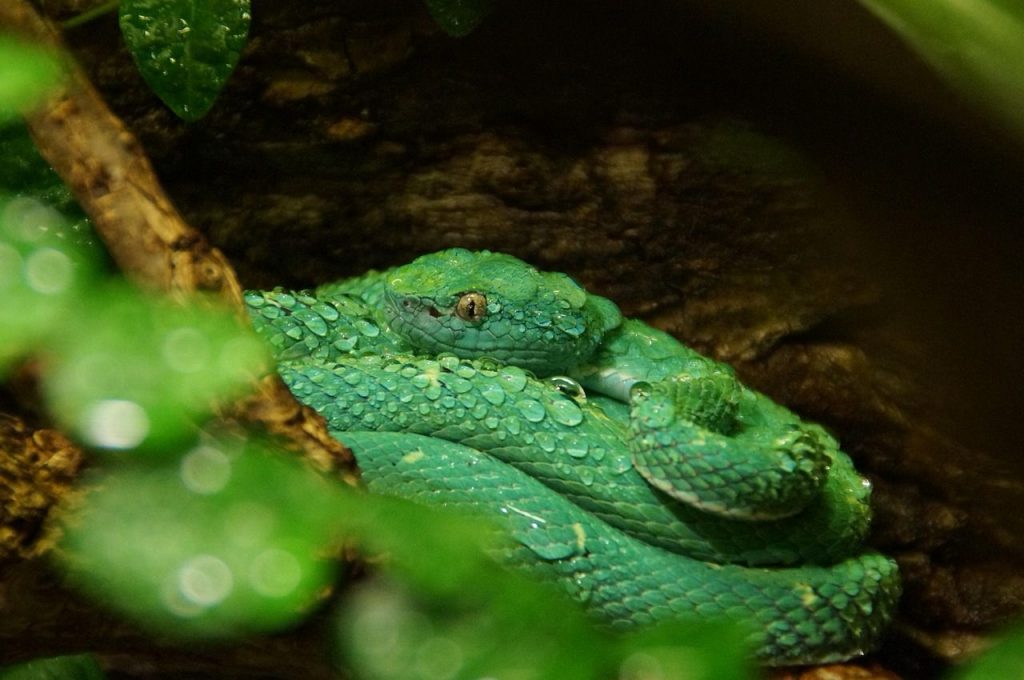
Venomous snake bites still cause more than 100,000 deaths every year according to estimates from the World Health Organization. Rural populations across Africa, Asia, and Latin America are particularly vulnerable. The problem is not limited to the bite itself. In many remote regions, access to healthcare and antivenom remains limited. This situation explains why snakes continue to rank among the leading causes of wildlife-related deaths worldwide.
Dogs and the Persistent Threat of Rabies
Dogs are often regarded as humanity’s best friend. Yet they also rank among the world’s most dangerous animals when they transmit rabies. This viral disease is almost always fatal once symptoms appear. Although vaccination is highly effective at preventing infection, rabies still causes tens of thousands of deaths every year in certain regions. Stray dogs remain the primary source of transmission to humans.
Did You Know?
Rabies is one of the deadliest diseases known to science. Once symptoms appear, survival is extremely rare.
Freshwater Snails: A Largely Overlooked Danger
One of the deadliest animals on Earth has neither fangs nor claws. Certain species of freshwater snails carry parasites responsible for schistosomiasis, a tropical disease that affects millions of people. Infection can occur through simple contact with contaminated water. The disease may lead to serious long-term health complications and remains a major public health issue across parts of Africa, Asia, and South America.
Crocodiles: Predators That Deserve Their Reputation
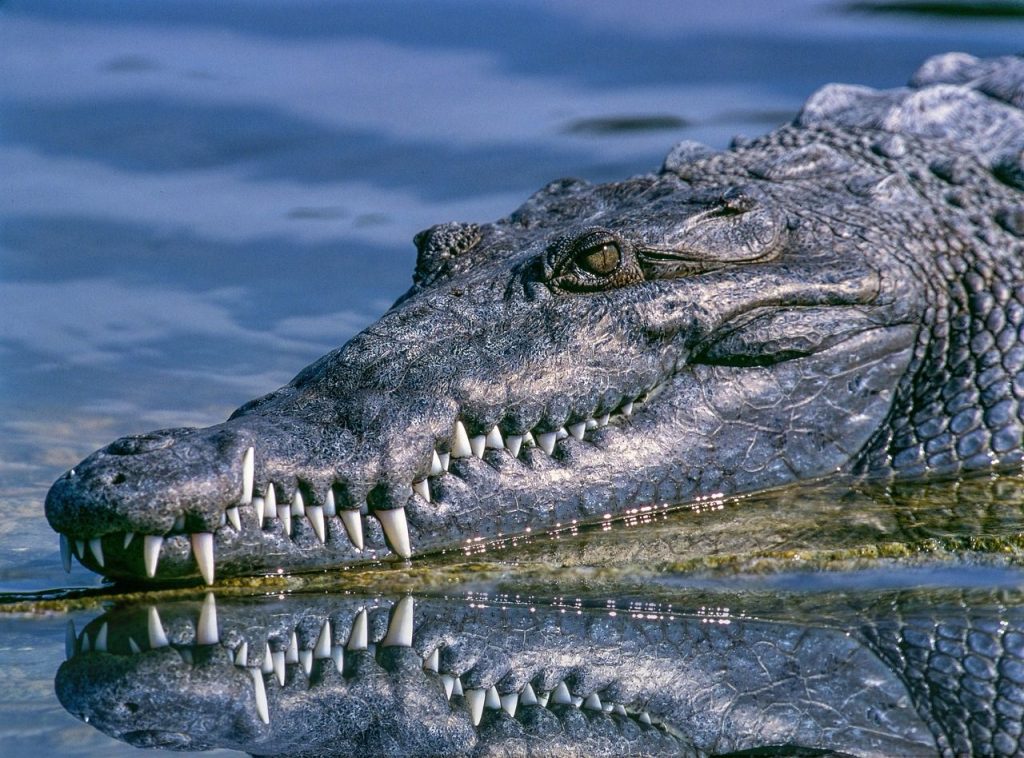
Unlike several species on this list, crocodiles earn their place through direct danger to humans. In many countries across Africa, Asia, and Australia, they are responsible for attacks that can sometimes be fatal. Their immense strength, natural camouflage, and ability to strike with incredible speed make them among the most efficient predators in the animal kingdom. The saltwater crocodile can exceed six meters in length and ranks among the largest reptiles on Earth. Wherever humans and crocodiles share waterways, encounters can have dramatic consequences.
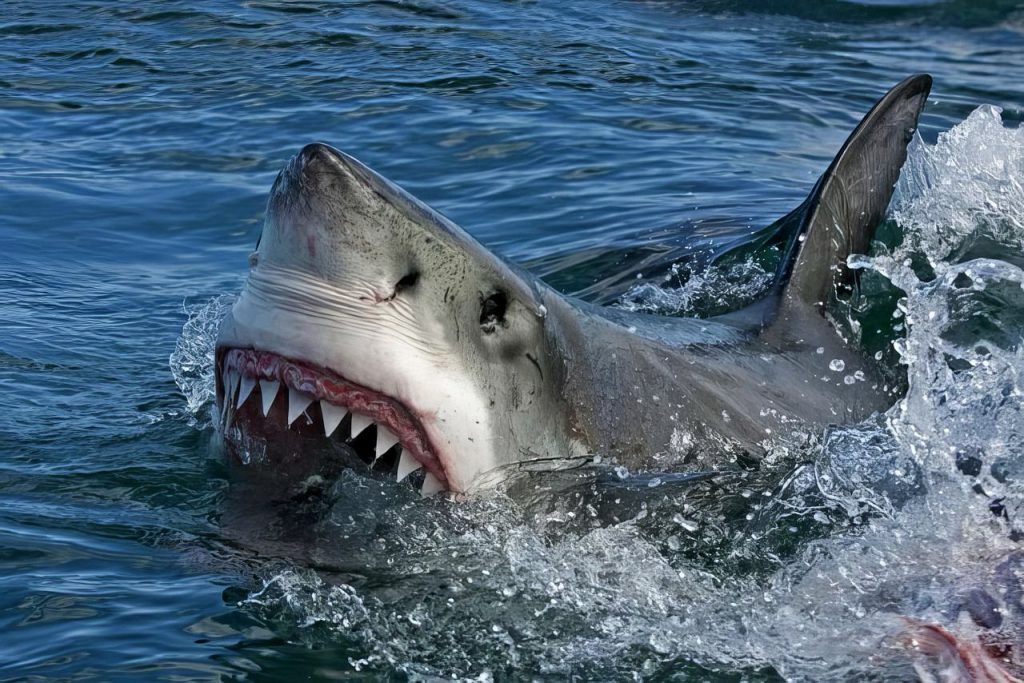
The Great White Shark: Feared but Often Misunderstood
For decades, the great white shark has symbolized fear of the ocean. Yet its reputation far exceeds the reality of the numbers. Fatal shark attacks remain extremely rare on a global scale. Marine biologists emphasize that humans are not a natural prey species for great white sharks. Most incidents are believed to result from mistaken identity or exploratory behavior. In reality, sharks kill very few people each year compared with animals that spread diseases. This reality highlights how our fears are often shaped by films, media coverage, and collective imagination. The great white shark remains a powerful predator, but it represents a limited risk for the vast majority of ocean users.
Did You Know?
Sharks play a vital role in maintaining healthy marine ecosystems. As apex predators, they help regulate fish populations and support balanced ocean food webs.
Understanding Danger Rather Than Fearing It
Studying the world’s most dangerous animals teaches an important lesson: our perception of risk does not always match reality. The deadliest species are not necessarily the most impressive or aggressive. More often, danger comes from organisms that spread diseases or invisible parasites. Understanding these mechanisms not only helps protect human populations but also encourages a fairer view of species that are often misunderstood. Beyond myths and fears, science reminds us that the natural world is usually far more complex than the legends surrounding it.
FAQ
The mosquito is considered the most dangerous animal in the world because it spreads diseases such as malaria and dengue fever.
They act as vectors for infectious diseases that cause hundreds of thousands of deaths every year.
Shark attacks do occur, but they remain rare worldwide. The risk is extremely low for most swimmers and surfers.
Most fatalities occur in rural areas where access to medical care and antivenom is limited.
Yes. Crocodiles are responsible for a higher number of fatal attacks on humans each year.
These animals act as vectors or hosts for viruses, bacteria, and parasites that use them to complete their life cycles and spread.
Follow us on Instagram and Facebook to stay informed
This article may be of interest to you: Why Do Toucans Have Such a Large Beak?