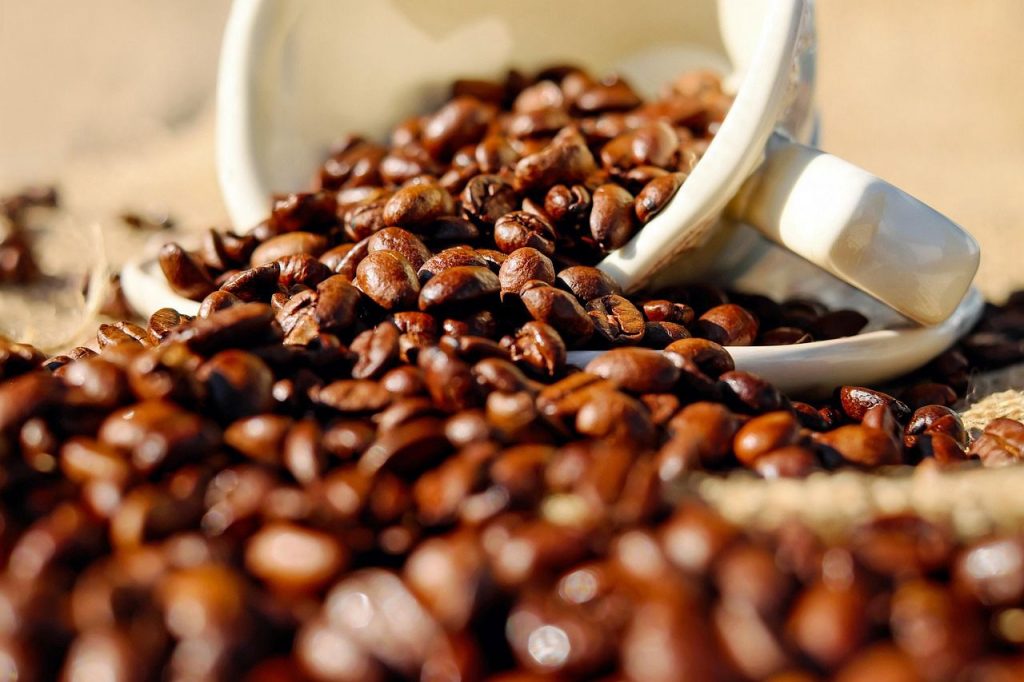
Every day, more than two billion cups of coffee are consumed around the world. Behind this universal drink lies a complex story combining tropical agriculture, chemistry, traditions, and scientific research. From Brazil to Indonesia, coffee continues to fascinate both consumers and researchers today.
Article by Damien Lafon.
A Drink Born in Tropical Regions
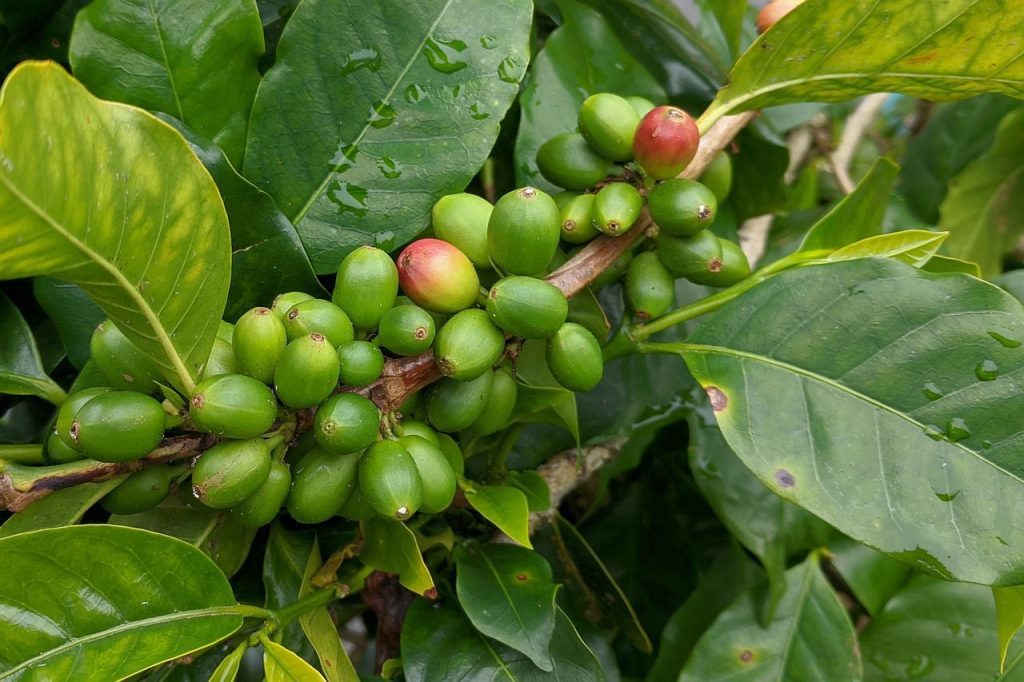
Coffee mainly grows in what specialists call the “coffee belt.” This vast tropical zone stretches between the Tropic of Cancer and the Tropic of Capricorn. Thanks to heat, humidity, and altitude, several regions around the world offer ideal conditions for coffee cultivation. Brazil remains the world’s leading producer today and accounts for around one third of global production. It is followed by countries such as Vietnam, Colombia, Indonesia, and Ethiopia. Some origins also develop very distinct aromatic profiles. Ethiopian coffees often reveal floral and fruity notes, while certain Indonesian coffees produce more woody and earthy flavors.
The Science of Coffee Behind the Aromas
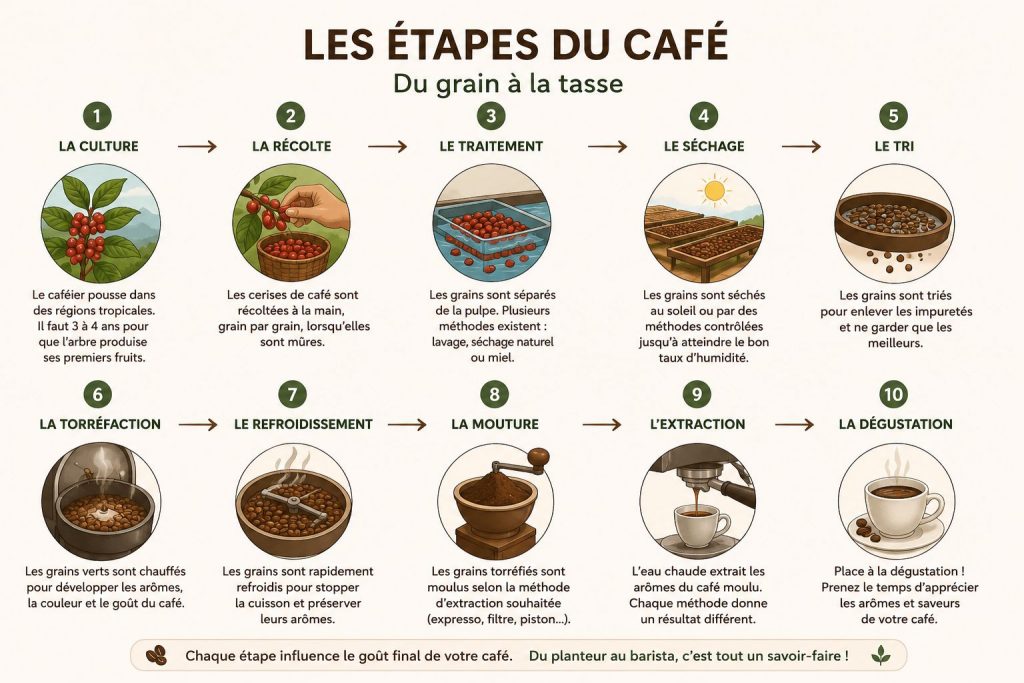
Behind a simple cup lies remarkable chemical complexity. Researchers estimate that roasted coffee contains more than 800 different aromatic compounds. This richness explains why every origin has its own unique taste. Roasting also plays a central role. Under heat, natural sugars and proteins react through what scientists call the Maillard reaction. This process creates the roasted, chocolatey, or caramelized aromas found in coffee. The lighter the roast, the more acidity and floral notes the coffee retains. In contrast, darker roasting generally develops more bitterness and deeper flavors.
Arabica, Robusta and Global Coffee Culture
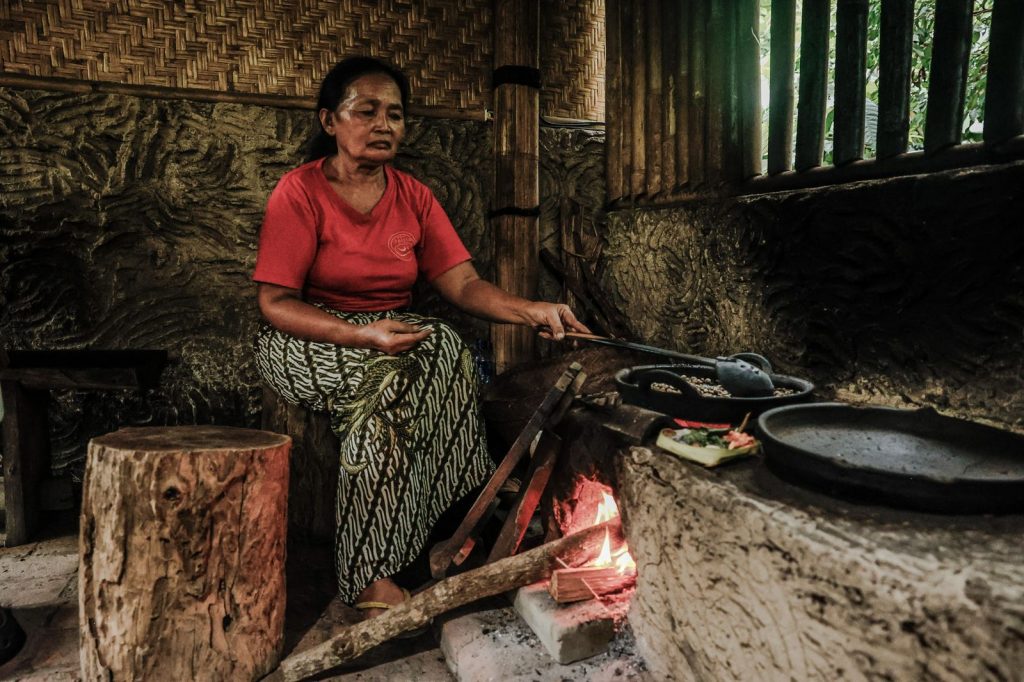
The global coffee market mainly relies on two major species: Arabica and Robusta. Arabica represents around 60 to 70% of world production and usually grows at higher altitudes. Its flavor is generally more delicate and complex. Robusta contains more caffeine and better resists heat and diseases. Its aromatic profile often appears stronger and more bitter. However, beyond the varieties themselves, coffee has become a true global cultural phenomenon. In Italy, espresso is quickly enjoyed at the counter. In Turkey, traditional coffee still preserves ancient brewing methods. In Indonesia, some plantations continue to use artisanal drying and roasting techniques.
Did You Know?
An espresso usually contains between 60 and 90 mg of caffeine. However, some energy drinks can sometimes exceed this amount.
The Benefits of Coffee Studied by Science
Over recent years, scientific studies on coffee have multiplied. When consumed in moderation, coffee appears to offer several potentially beneficial effects. Caffeine acts directly on the central nervous system and temporarily boosts alertness and concentration. In addition, some studies associate moderate coffee consumption with a reduced risk of certain neurodegenerative diseases such as Parkinson’s disease. Coffee also contains numerous antioxidants capable of limiting certain oxidative stresses within the body. However, effects vary greatly between individuals. Excessive consumption may cause nervousness, anxiety, or sleep disorders. Specialists therefore generally recommend not exceeding around 400 mg of caffeine per day for a healthy adult.
Specialty Coffee Is Transforming the Global Market
Over the past several years, the specialty coffee movement has deeply transformed the way people consume coffee. Consumers now pay closer attention to the exact origin of the beans, extraction methods, and the work of producers. Coffee therefore becomes a complete sensory experience, almost comparable to the world of wine. Some roasters even highlight very specific aromatic notes such as red berries, dark chocolate, or citrus fruits. Behind every cup ultimately lies a complex combination of climate, altitude, terroir, and human expertise.
Did You Know?
Coffee is among the most traded agricultural products in the world, generating several hundred billion euros every year.
Why Does Coffee Fascinate People So Much?
Coffee now stands at the crossroads of several worlds: science, agriculture, economics, and human traditions. Behind its apparent simplicity, this drink tells a global story connecting producers, roasters, researchers, and consumers. Every cup therefore reveals a natural and cultural mechanism far more complex than it may first appear.
FAQ
Brazil remains the world’s leading coffee producer today.
Arabica develops finer aromas, while Robusta contains more caffeine and offers a stronger taste.
When consumed in moderation, coffee may provide several beneficial effects according to scientific studies.
Roasting and the hundreds of natural chemical compounds create a wide aromatic diversity.
An espresso generally contains between 60 and 90 mg of caffeine.
Follow us on Instagram and Facebook to stay informed
This article may be of interest to you: Mangroves: coastal forests that protect life and climate