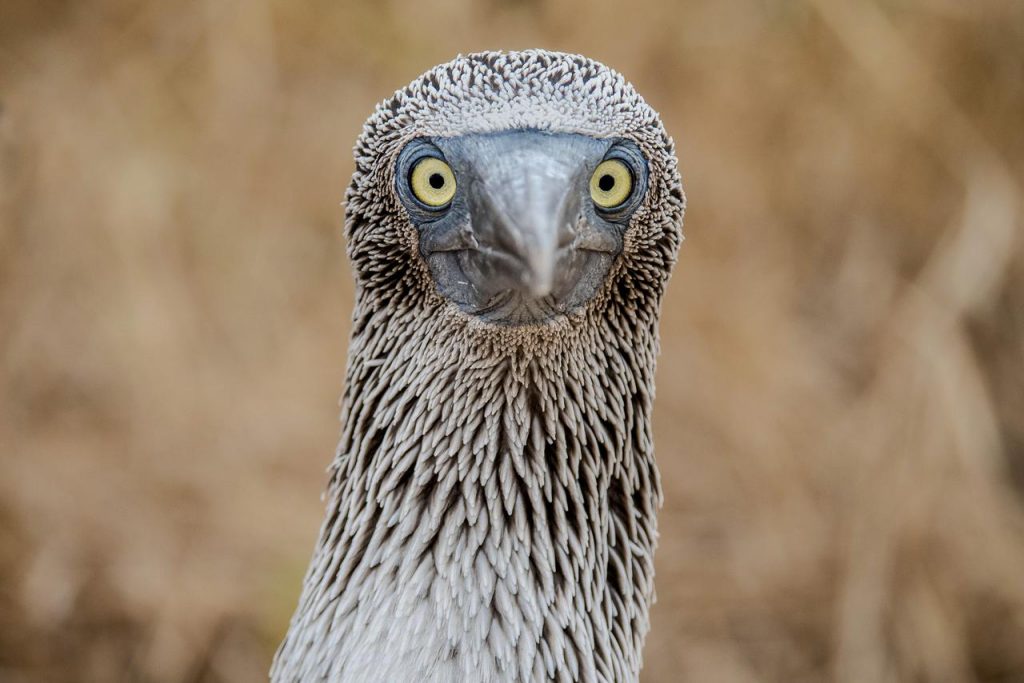
Seabirds travel impressive distances to find their food. Some cross several thousand kilometers during a single journey. These trips follow precise ecological constraints linked to the uneven distribution of marine resources. Researchers study these movements to understand the links between animal behavior, oceanography and environmental change.
Article and photographs by Damien Lafon.
The very uneven distribution of resources explains the long distances travelled
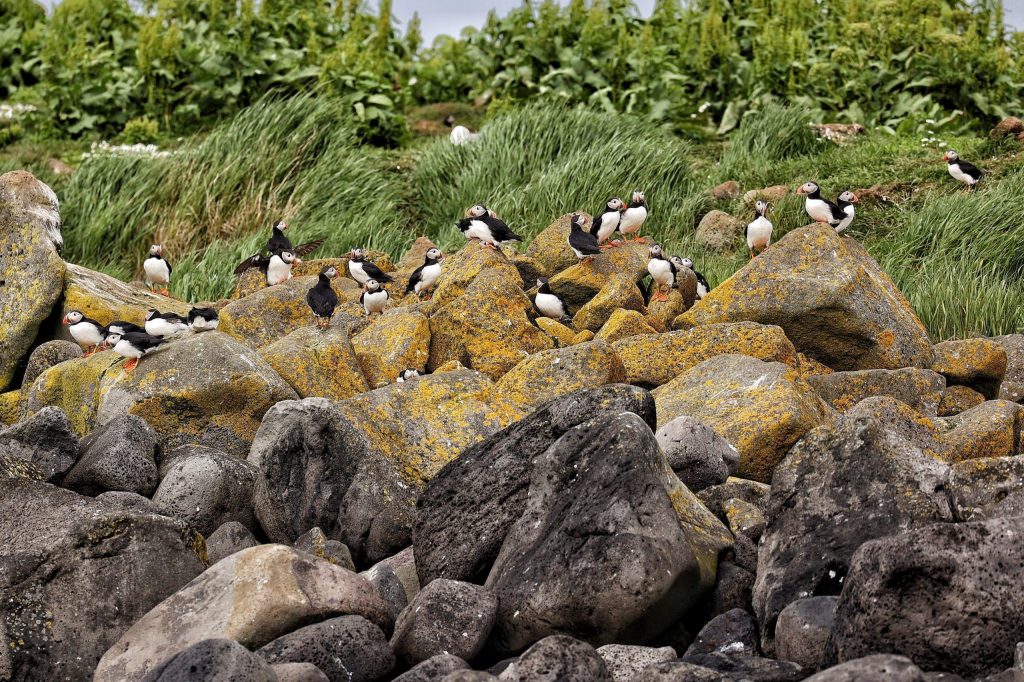
Food available at sea is distributed in a very irregular way. Productive zones often concentrate near ocean fronts, upwellings or polar regions. Birds must travel long distances to reach these areas. Nutrients rise from the depths and support the formation of fish schools. Birds move toward these regions because they offer more abundant food.
Oceanographers show that these productive areas shift with the seasons. Birds then adapt by adjusting their migratory routes and foraging paths. The long distances travelled become a direct response to this variability. Species that feed on scattered resources must maintain these regular movements.
Aerodynamic abilities allow very long trips with limited energy use
Seabirds have wings adapted to dynamic flight. Albatrosses for example use wind and pressure differences to move forward with very little effort. They use a flight technique called dynamic soaring. This technique uses the energy of the wind present near the surface. The bird alternates climbing and descending to maintain speed.
This strategy greatly reduces energy expenditure. Measurements show that some individuals can travel more than one thousand kilometers in a single day. This efficiency explains why these birds can reach distant areas easily. Their anatomy allows very long stays at sea without resting on land. This ability shapes their feeding strategy because it allows them to reach productive regions far from the coast.
Did you know?
A wandering albatross can circle the globe several times during its life. Researchers track these journeys using small tags attached to the bird’s back.
Ocean variations make some routes more profitable than others depending on the year
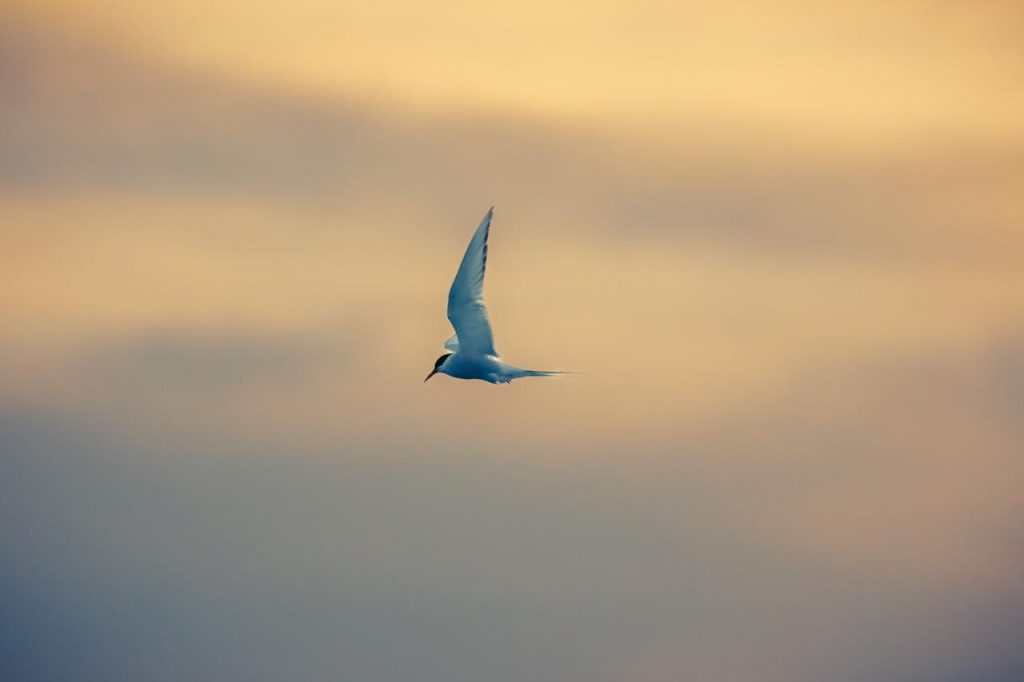
Marine conditions change regularly due to climatic events such as El Nino. These variations modify water temperature and plankton distribution. They then influence the presence of fish that seabirds feed on. Usual feeding zones may become less productive. Birds then travel longer distances to reach areas that remain favorable.
Studies show that birds detect these changes using visual and olfactory cues. They also rely on knowledge acquired in previous years. Their ability to adjust their routes ensures survival in a highly unpredictable environment. This flexibility illustrates a behavioral response adapted to dynamic ecosystems.
Reproductive strategies sometimes require very long trips from isolated colonies
Many species nest on remote islands where predation is low. These colonies provide a safe environment but are often far from feeding zones. Birds must travel long distances to feed their chicks. They alternate short trips and long trips depending on the age of the young. These patterns balance the energy cost of flight with the need for food.
Adults return to the nest with partially digested prey. This transport reduces the mass carried during the flight and improves energy delivery. Isolated colonies are therefore a compromise between safety and distance. The movements observed reflect this compromise.
Did you know?
Some species such as the sooty shearwater travel several thousand kilometers during the breeding season. These routes often follow favorable currents that improve flight efficiency.

Interactions with other predators also influence the length of the trips
Seabirds share their resources with other predators, including fish, marine mammals and sharks. This competition influences local food availability. Birds sometimes travel farther to avoid highly competitive areas. This strategy reduces energy lost in unsuccessful searches.
Social interactions also play a role. Birds sometimes follow other individuals to productive zones. This behavior known as public information speeds access to resources. When competition becomes too strong, some groups explore more distant regions. This exploration creates new routes that improve the distribution of individuals.
The long distances travelled reflect the interaction between anatomy, oceanography and behavior
Observed routes result from a combination of factors linked to the physical characteristics of the birds and the properties of the ocean. Flight capabilities determine which distances are reachable. Ocean variations control where resources are located. Individual behavior then adjusts the routes based on experience and current conditions.
Researchers use these movements to understand the state of the oceans. Seabirds act as biological indicators. Their behavior reflects changes in fish stocks and climatic variations. These data help assess the health of marine ecosystems. They also provide important information for conservation.
Follow us on Instagram and Facebook to stay informed and support our media via www.helloasso.com
This article may interest you: Galapagos Gannets: Learn More