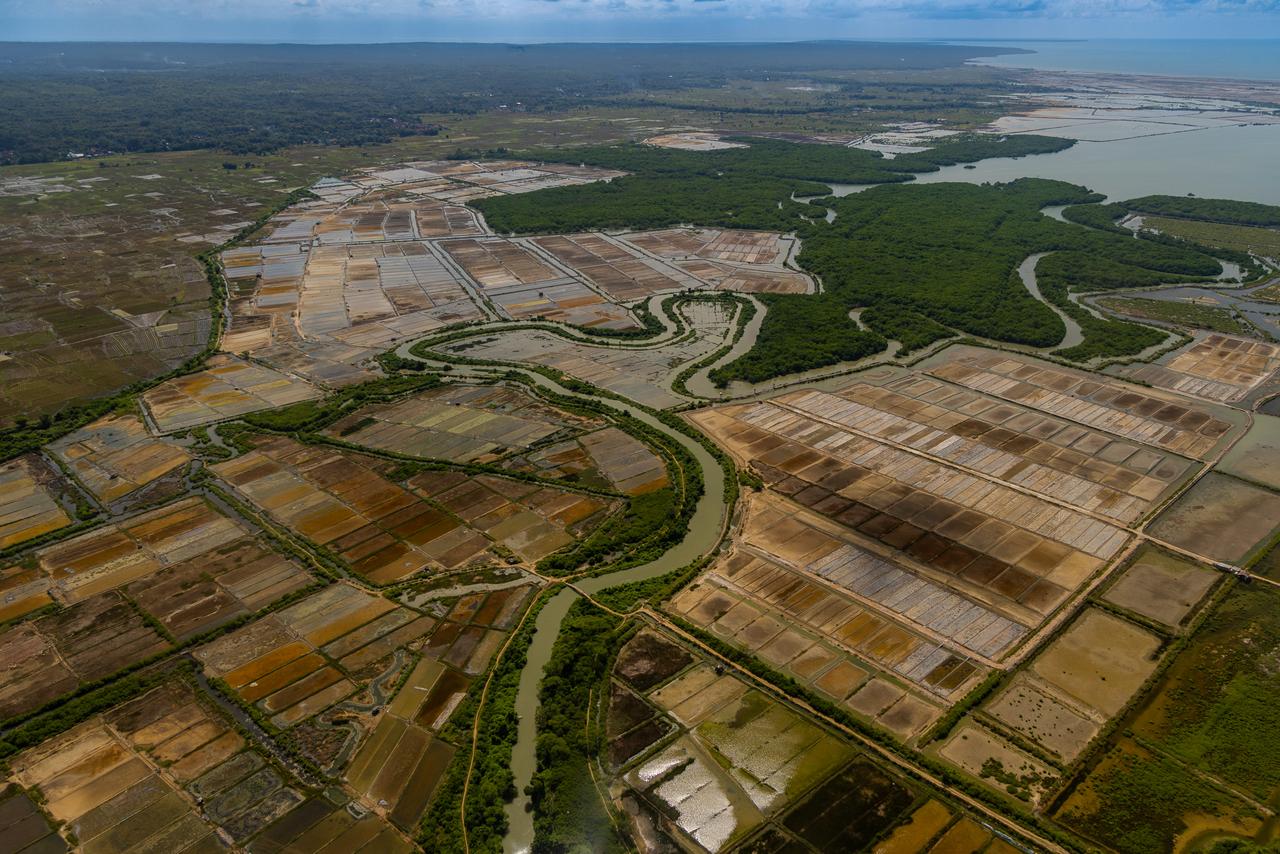
Rivers do not always follow a stable path. They sometimes change direction under the influence of geological, hydrological, and climatic processes. These changes occur slowly or sometimes within hours depending on local conditions. Fluvial dynamics therefore provide a direct reading of the forces that shape terrestrial landscapes. This article describes the main mechanisms that explain these shifts in direction.
Article and photographs by Damien Lafon.
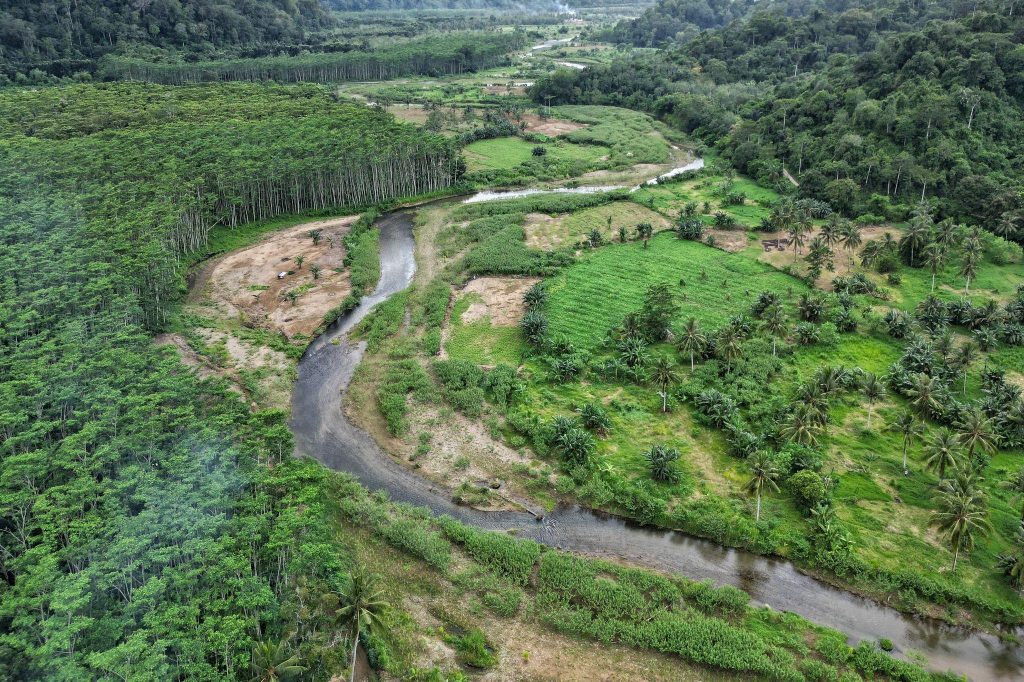
Slope, discharge, and gravity determine the general course of a river
A river always flows toward the lowest areas by following the natural slope of the terrain. However, this slope evolves with the gradual erosion of the soil. Rivers transport sediments that carve their bed and modify the local geometry. This evolution sometimes shifts the course toward a more favorable direction. Geomorphological measurements show that the rate of this movement depends mainly on discharge and sediment load.
When the local slope decreases, the river searches for a more efficient path. It then follows more unstable zones where water can erode the soil more easily. These gradual adjustments modify the curvature of the river and sometimes its direction. This process continues over long periods. Many modern floodplains show traces of these ancient migrations.
Lateral erosion creates meanders capable of shifting an entire river
Rivers often form meanders in areas with gentle slopes. Water flows faster along the outer side of a curve. This speed difference increases erosion on the outer bank. At the same time, the inner bank accumulates sediments. This mechanism slowly alters the shape of the meander and pushes the river outward. Repeated movements create a lateral shift of the entire course.
Over time, a meander may become unstable. The river then cuts across the narrowest strip of land and creates a more direct channel. This phenomenon is called a meander cutoff. The general direction of the river then changes by a few meters or sometimes several hundred meters. Old loops remain visible as oxbow lakes. These formations reveal past river evolution.
Did you know?
Some rivers migrate several kilometers laterally in only one century. Satellites detect these shifts by comparing topographic maps taken at regular intervals.

Sediment deposits reshape the channel and force the river to find a new path
Rivers transport materials produced by the erosion of surrounding soils. When the water slows down, these materials settle. They create sandbars and elevated zones that modify the channel. If these deposits become too large, water diverts toward a lower area. This diversion can change the direction of the main flow. Deltas illustrate this process especially well because they evolve according to sediment supply.
Floods intensify this mechanism. They carry more sediments and inundate nearby areas. When the water recedes, it leaves behind deposits that alter local topography. These changes influence the direction the river follows in the following seasons. Many floodplains show abandoned or partially filled channels. These structures testify to older river paths.
Ground movements and tectonic forces strongly influence changes in direction
Tectonic activity slowly reshapes landscapes on large scales. A gradual uplift of a mountain zone can divert a river. Likewise, local subsidence creates a new low point that the river progressively reaches. Geological studies often reveal rivers diverted by tectonic activity. These diversions occur in regions where plates meet or separate.
Earthquakes also play an important role. They modify the relative height of banks and sometimes create sudden ruptures. These ruptures form new channels that the river immediately follows. Some river directions change within hours after a major earthquake. These events are rare but their effects persist for centuries.
Did you know?
Studies show that some Himalayan rivers change direction after strong earthquakes. Geologists monitor these changes to understand deep continental deformation.

Extreme floods, natural dams, and human modifications also influence river paths
Extreme floods sometimes modify a channel in a sudden way. Water overflows and opens a more direct passage through a weak zone. This opening becomes the new main course. Rivers therefore have a rapid capacity for adaptation when hydraulic pressure becomes very high. Landslides also play an important role. They sometimes create natural dams that temporarily block the river. Water accumulates behind the dam and eventually bypasses the obstacle. This bypass then modifies the original direction.
Human activity also affects these dynamics. Levees change the distribution of flow. Canals impose a temporary direction, but the river sometimes tries to return to a more stable route. Sand extraction modifies channel depth and may cause progressive deviations. Scientists observe these trends in many regions where human pressures remain strong.
Direction changes reflect the continuous interaction between water, soil, and climate
Shifts in direction are never caused by a single factor. They result from multiple interactions that evolve continuously. Water shapes the soil, which in turn affects water movement. Climate, sediments, and ground movements reinforce these dynamics. Rivers are therefore very sensitive to local variations. Their evolution provides a clear reading of the processes shaping a landscape.
Researchers study rivers to understand the impact of climate on terrestrial systems. They analyze migration rates, the frequency of meander cutoffs, and the effects of floods. These data explain how a river reacts to environmental change. They also help predict possible evolutions over the coming decades.
FAQ
Rivers change direction due to the combined effects of erosion, sediment transport, and land slope. These processes gradually reshape the riverbed. In some cases, sudden events such as floods or earthquakes can accelerate these changes.
A meander is a curve formed by a river in low-slope areas. Erosion occurs on the outer bank while sediments accumulate on the inner bank. This imbalance slowly shifts the river’s course and can eventually alter its direction.
Yes. While most changes happen gradually, certain conditions can cause rapid shifts. Extreme floods, landslides, or earthquakes can redirect a river within a few hours.
Sediments carried by a river are deposited when the flow slows down. These deposits reshape the riverbed and can block certain areas. The river is then forced to find a new path, directly influencing its direction.
Yes. Dams, levees, canals, and sand extraction significantly affect river dynamics. Although these interventions aim to control water flow, they can lead to unexpected adjustments in the river’s course over time.
Follow us on Instagram and Facebook to keep up to date and support our media at www.helloasso.com
This article may be of interest to you: Mangroves: coastal forests that protect life and climate