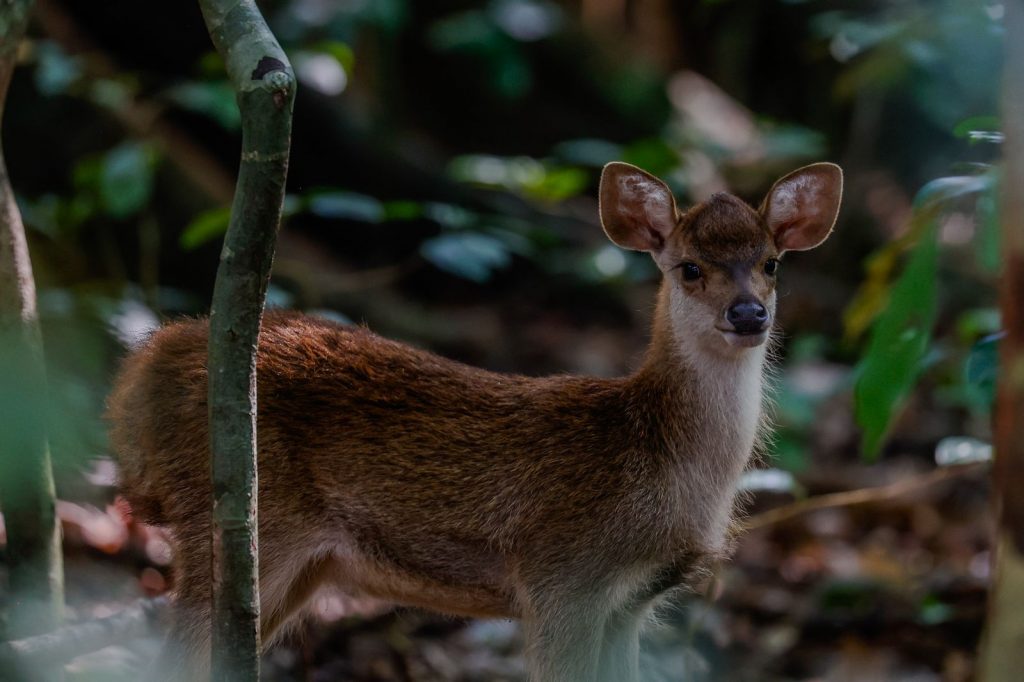
Photographing nature is never a neutral act. Every human presence influences a living environment. In wildlife photography, the gaze therefore carries real responsibility. This article proposes a different approach to nature documentary work. Observe without disturbing. Look without taking.
Article and photographs by Damien Lafon.
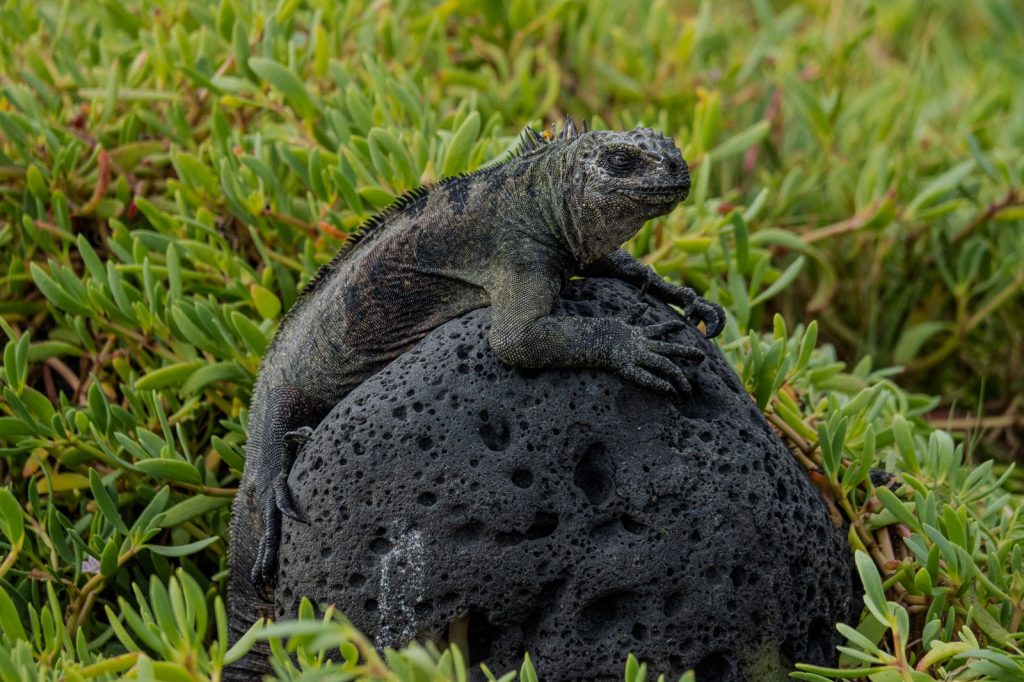
Photographing nature without owning it
Photographing nature does not grant any right over what is observed. Yet common language still speaks of taking or capturing an image. As a result, the photograph sometimes becomes an objective before the encounter itself. In wildlife photography, this logic quickly becomes problematic. An animal is not an available subject. It lives within a sensitive environment shaped by fragile balances. Looking without disturbing therefore requires a shift in posture. The photographer first comes to observe. Only then can an image emerge. Photography becomes a possible outcome, never an obligation imposed on the living world.
Patience at the heart of wildlife photography
Wildlife photography often celebrates technical performance and speed. However, in the field, patience remains the primary tool. Long observation helps to understand behaviors and natural rhythms. In this way, the photographer learns to respect acceptable distances. They wait without provoking or interfering. Sometimes, they return without an image. This renunciation is fully part of the process. Gradually, the gaze changes. The animal is no longer isolated from its environment. The scene becomes a living whole. Photography then turns into an act of attention rather than a demonstration.
Did you know?
Repeated human presence can permanently alter animal behavior. Some mammals change their activity schedules. Some birds relocate their nesting areas. These effects often remain invisible in the short term, yet they exist at the scale of an entire territory.
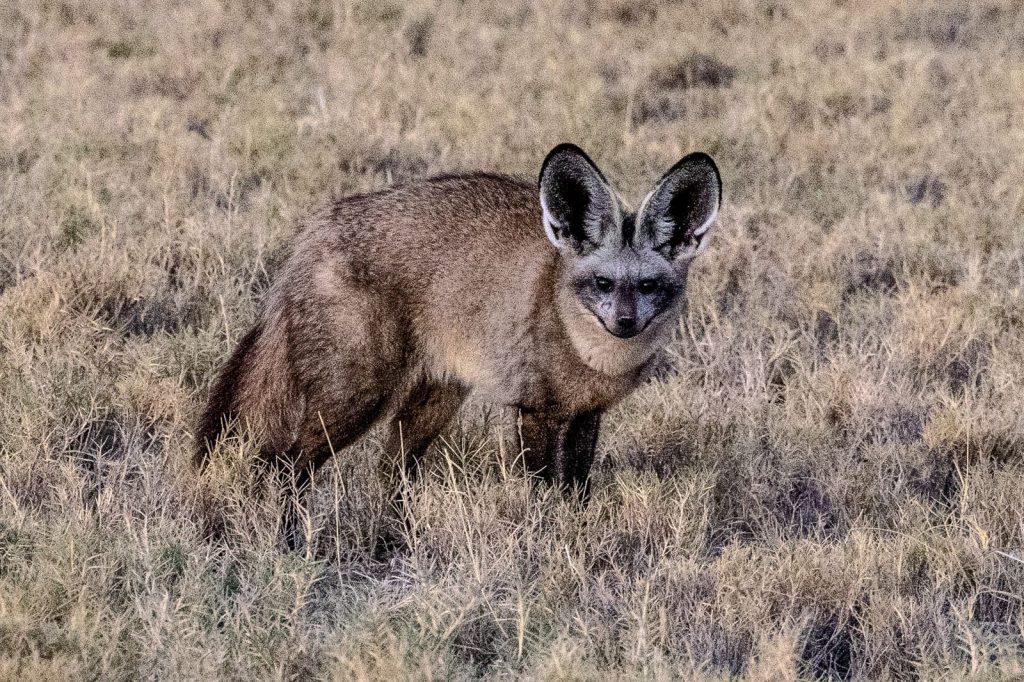
The invisible impact of the photographer on the living world
Even discreet, a photographer always influences their surroundings. A slight noise, a movement, or a foreign scent can be enough to disturb a scene. Moreover, prolonged presence can generate stress. In wildlife photography, impact is therefore not measured solely by the image produced. It also concerns what remains after departure. Looking without disturbing means accepting this reality. As a result, giving up an image sometimes becomes the most responsible choice. These decisions remain unseen. Yet they form the foundation of a true ethics of the gaze.
Choosing what not to show
Every photograph is the result of a choice. Some scenes nevertheless raise ethical questions. Moments of vulnerability, behaviors linked to reproduction or death. Photographing these moments can fascinate, but it can also betray a relationship. The ethics of the gaze does not only consist in producing respectful images. It also involves deciding which images should not be shown. This restraint is rarely valued. Yet it represents a profound form of respect. Not everything is meant to be seen, shared, or consumed.
Did you know?
In several forest cultures, certain animals are never visually represented. They are considered relational entities. Their image carries a symbolic bond between humans, territory, and the living world.
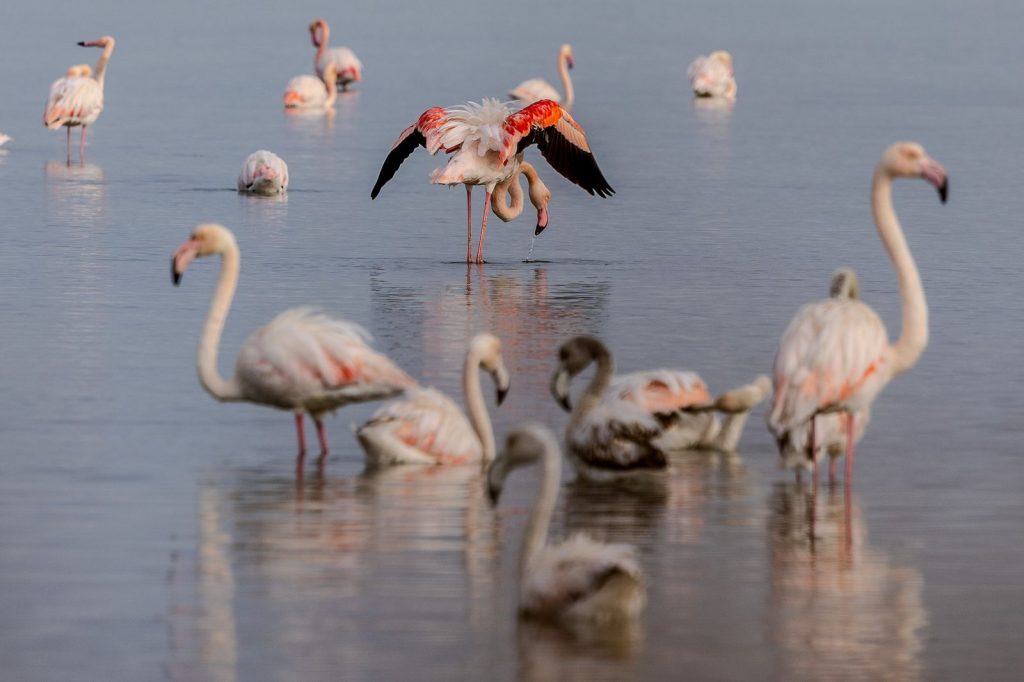
Photographing wildlife in inhabited territories
Wildlife photography rarely takes place in empty spaces. Forests, mountains, and mangroves are often inhabited or traversed territories. Ignoring these human presences means erasing part of reality. An ethics of the gaze therefore includes the cultural dimension of places. Understanding the relationships between local communities and wildlife becomes essential. Photographing living beings without their context weakens the narrative. Conversely, integrating these relationships gives rise to more accurate images. They tell stories of connections rather than exploits.
Looking to transmit, not to capture
Looking without taking does not mean giving up photography. On the contrary, this posture restores meaning to the image. Wildlife photography then becomes a tool for transmission. It invites slowing down, observing, and understanding. The gaze becomes part of a continuum. It does not extract, it accompanies. In a world saturated with images, this approach offers an alternative. Documenting the living world with humility allows for different stories to be told. Sometimes, the absence of an image speaks more truthfully than demonstration.
FAQ – Wildlife Photography and the Ethics of the Gaze
Wildlife photography always involves interaction with a living environment. Even a subtle human presence influences animal behavior. Discussing ethics allows us to acknowledge this responsibility and adopt a more respectful approach to wildlife.
Yes. A noise, a smell, or a movement can alter a natural scene. In the long term, repeated presence can change feeding habits, nesting areas, or activity patterns. These effects often remain invisible in the short term, but they do exist.
Observing carefully before taking out your camera is essential. It’s important to respect natural distances, avoid triggering sensitive behaviors, and accept leaving without a picture if the situation demands it. Patience remains the primary tool of the responsible photographer.
Can wildlife photography be compatible with conservation?
Yes, when it is part of an educational and awareness-raising approach. A respectful photograph can encourage the protection of a territory or a species. It then becomes an educational tool rather than simply an aesthetic object.
Capturing suggests a logic of performance or appropriation. Accompanying implies observing, understanding, and allowing the scene to exist independently of the camera. The image then becomes a possible consequence, never a constraint imposed on the living experience.
Yes, and sometimes it’s the most logical choice. Success isn’t measured solely by visual impact. It also depends on the quality of observation and the absence of disturbance. Field experience is just as important as the final result.
Follow us on Instagram and Facebook to stay informed
This article may interest you: Rafflesia: The Giant Flower That Defies Nature