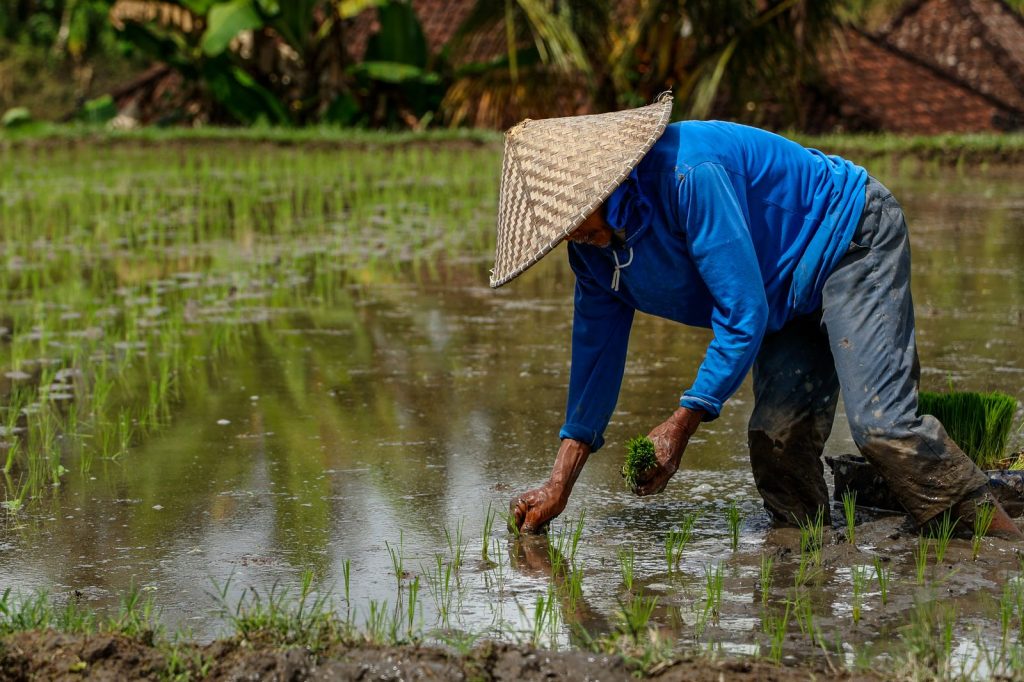
Rice fields are among the most photographed landscapes in the world. Yet behind this peaceful image, a fragile balance is gradually emerging. Rising rice prices, disappearing farmland, water shortages and the transformation of rural areas are now affecting many rice-growing regions.
Articles and photographs by Damien Lafon.
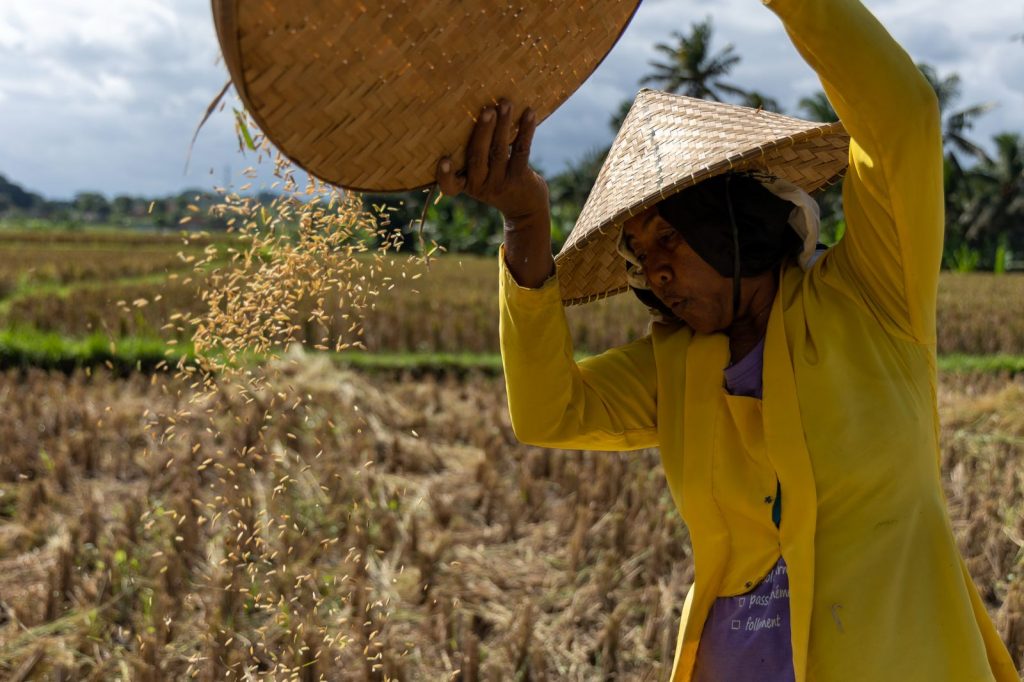
Rice fields represent much more than a simple landscape
In several Asian countries, rice fields play a central role in everyday life. They feed millions of people and have shaped landscapes for centuries. However, rice is not only an agricultural crop. It also influences traditions, ceremonies and the organization of villages. In some regions, several generations of the same family still cultivate the same land. This transmission helps preserve agricultural knowledge that is sometimes centuries old. For many people, rice fields symbolize a balance between food, culture and territory.
Rice farming remains physically demanding
Behind the green landscapes, agricultural work requires enormous energy. Heat, humidity and long working days make this activity particularly difficult. In several rural regions, some farmers still work manually for hours every day. Yet incomes sometimes remain insufficient as the cost of living continues to rise. In addition, younger generations are gradually leaving rural areas in search of more stable jobs in cities. This evolution slowly weakens the transmission of knowledge related to rice cultivation.
Did you know?
Rice is the staple food for more than half of the world’s population.
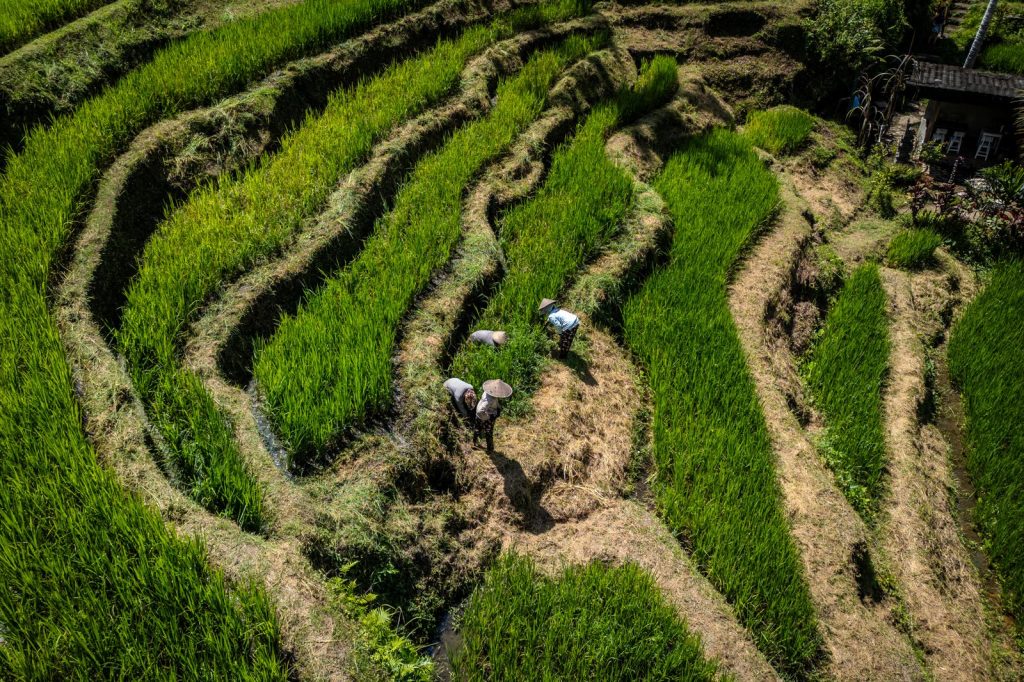
Rice diversity is gradually declining
Rice has an agricultural diversity that often remains unknown. For centuries, thousands of varieties developed according to climates, altitudes and local traditions. Some species resist drought better while others tolerate floods or volcanic soils more effectively. This genetic diversity plays an important role in global agricultural balance. However, intensive agriculture often favors a smaller number of varieties in order to increase yields and simplify production. According to several researchers, this genetic reduction could weaken certain crops against diseases, parasites and climate change.
Rice prices are increasing in several regions of the world
For several years, rice prices have experienced significant variations in different producing countries. Climate change, droughts and economic tensions directly influence harvests. In several regions, water shortages are also becoming a major issue for rice cultivation. Yet rice depends heavily on irrigation in order to grow properly. When harvests decrease, the consequences quickly affect local populations. Some farming families see their incomes decline while food prices increase. This situation now worries many producers.
Did you know?
There are tens of thousands of rice varieties worldwide, but a large part of global production now relies on a much smaller number of cultivated species.
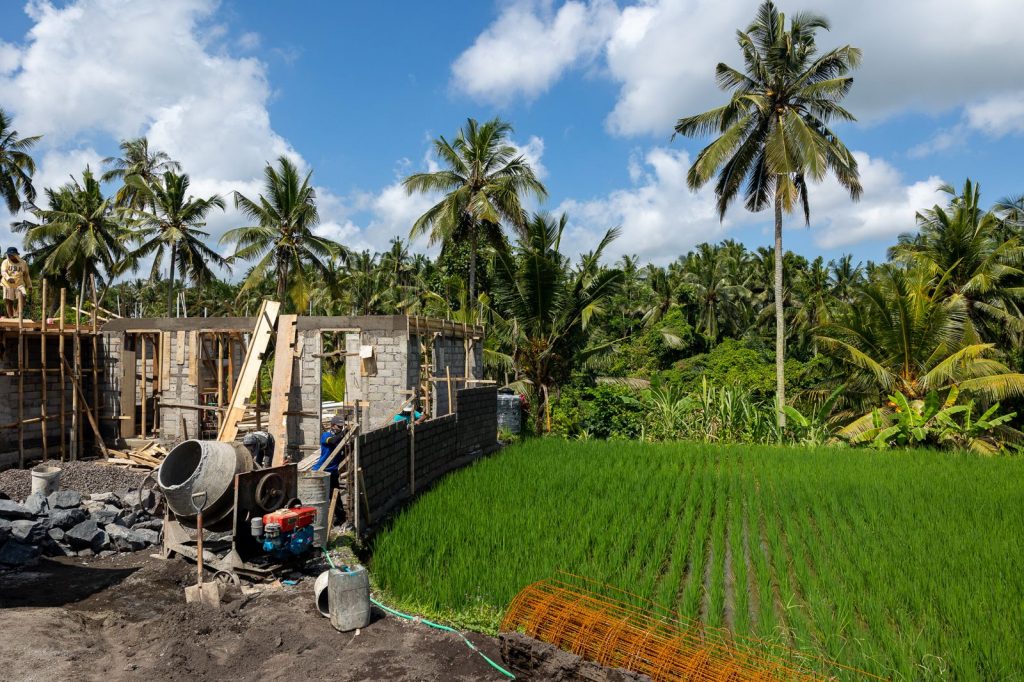
Agricultural land is gradually disappearing
In some tourist or urban regions, farmland is progressively being replaced by modern construction. Villas, roads and tourist complexes are rapidly transforming traditional landscapes. For many farmers, selling land sometimes becomes more profitable than continuing rice cultivation. However, this transformation also reduces available agricultural land. Over time, some emblematic landscapes slowly disappear. This evolution also raises questions about the balance between economic development and the preservation of cultivated land. In several countries, this debate is becoming increasingly important.
Behind rice lies a broader issue
Today, rice fields often symbolize a fragile balance between modernity, food production and the preservation of territories. Behind every cultivated field, there is also a human reality that often remains invisible. Agricultural work is becoming more difficult in several regions of the world. Yet rice continues to feed billions of people every day. In a world where landscapes evolve rapidly, some rice fields still remind us of the direct connection between humans, land and water. This fragility may explain why these landscapes continue to generate so much emotion and attention.
FAQ
Urbanization, tourism and the sale of farmland are gradually reducing cultivated areas.
Climate change, droughts and economic tensions influence global harvests.
Rice varieties adapted over centuries to local climates, soils and agricultural traditions.
Yes. In several regions, many farmers still work manually in rice fields.
Yes. They contribute to water balance and provide habitats for various animal species.
Follow us on Instagram and Facebook to stay informed
This article may be of interest to you: Plastic pollution: a real threat to the oceans