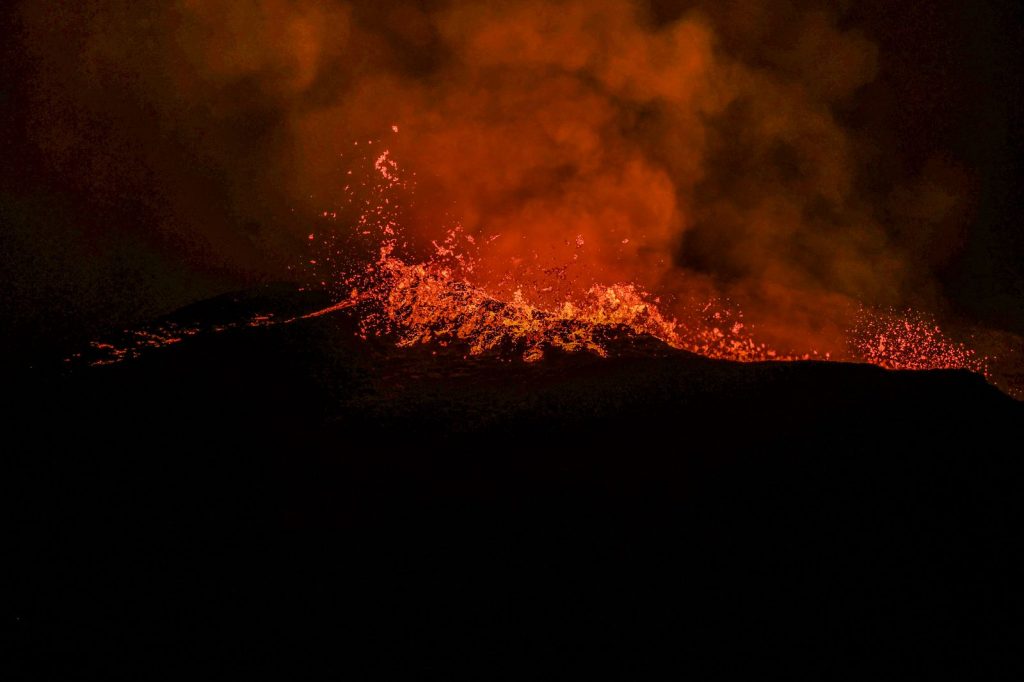
For centuries, volcanoes have attracted as much as they have frightened people. Between natural power, destruction, surreal landscapes and ancient beliefs, these mountains of fire occupy a unique place in the human imagination. On land and beneath the oceans, they continue to fascinate travelers, scientists, photographers and the populations living nearby.
Article and photographs by Damien Lafon.
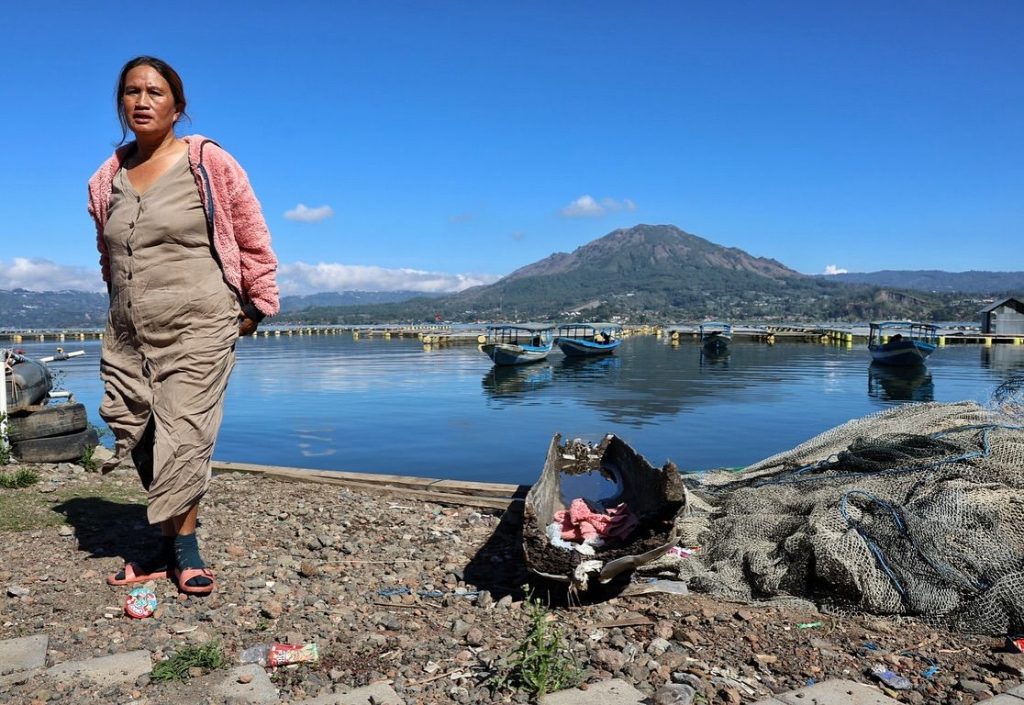
Volcanoes remind us of nature’s uncontrollable power
When facing an active volcano, many people immediately feel a sense of respect. Smoke, ground vibrations and heat remind us that some natural forces still remain completely beyond human control. Unlike other landscapes, a volcano feels alive. It can remain silent for years before suddenly awakening. This unpredictability has fueled human fascination for centuries. Even underwater volcanoes can deeply transform oceans and landscapes. Some volcanic islands appear after eruptions before disappearing again beneath the waves. For many people, observing an active volcano becomes an almost physical experience.
Danger often attracts as much as it frightens
Humans sometimes feel a strange attraction toward dangerous places. Volcanoes perfectly embody this contradiction between fear and fascination. Many travelers walk for hours to reach an active crater or watch an eruption at sunrise. Yet these landscapes also remind us of human fragility in front of nature. This search for intense emotions partly explains why volcanoes attract so many visitors every year. Danger remains present, but it is often accompanied by a deep sense of wonder. In some cases, this closeness to natural power even pushes people to reflect differently on the living world.
Did you know?
Most of the planet’s active volcanoes are actually located beneath the oceans.
Many volcanoes hold an important spiritual meaning
In many cultures, volcanoes represent far more than a geological phenomenon. They are sometimes considered sacred places or spaces connected to invisible forces. In Japan, Iceland, Hawaii and South America, several volcanoes remain linked to ancient stories, beliefs and traditional ceremonies. This relationship between spirituality and volcanism has existed for centuries. Eruptions, smoke and underground rumblings were long interpreted as supernatural manifestations. Even today, some volcanoes continue to inspire deep collective respect.
Volcanic landscapes sometimes appear unreal
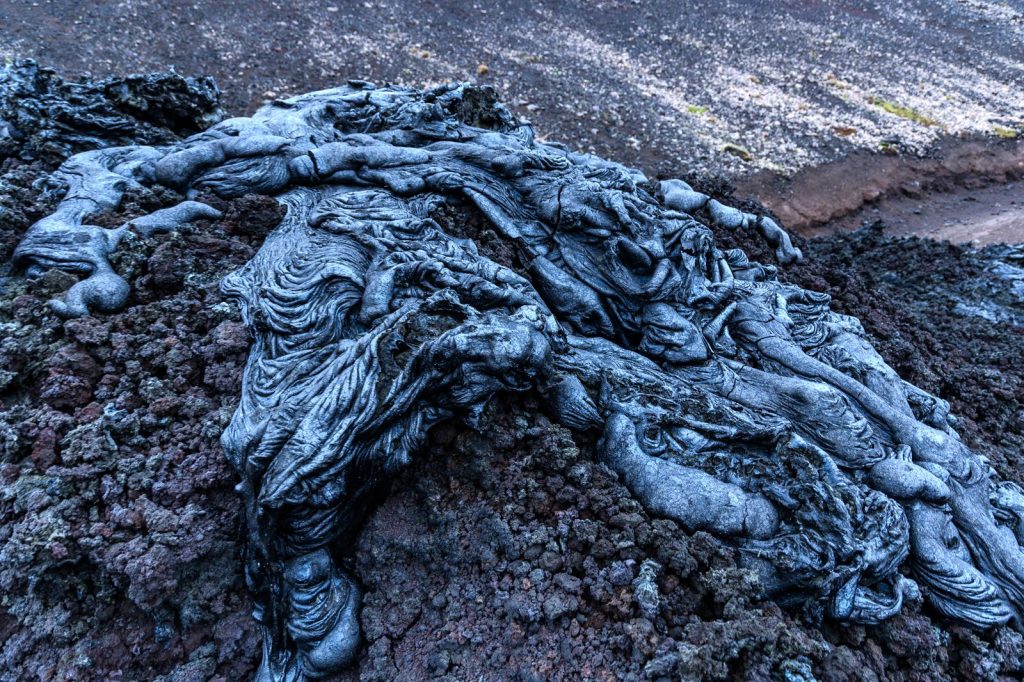
Volcanoes create landscapes very different from ordinary scenery. Black rocks, smoke, ash and steep reliefs often give the impression of a world outside of time. Beneath the oceans, some volcanoes also create remarkable environments around hydrothermal vents. In these depths, forms of life continue to develop despite extreme conditions. On land, changing light and mineral landscapes have fascinated photographers and explorers for centuries. Even without an eruption, an active volcano maintains a presence that is difficult to ignore.
Did you know?
Some life forms discovered near underwater volcanoes survive without sunlight thanks to chemical energy coming from the Earth’s depths.
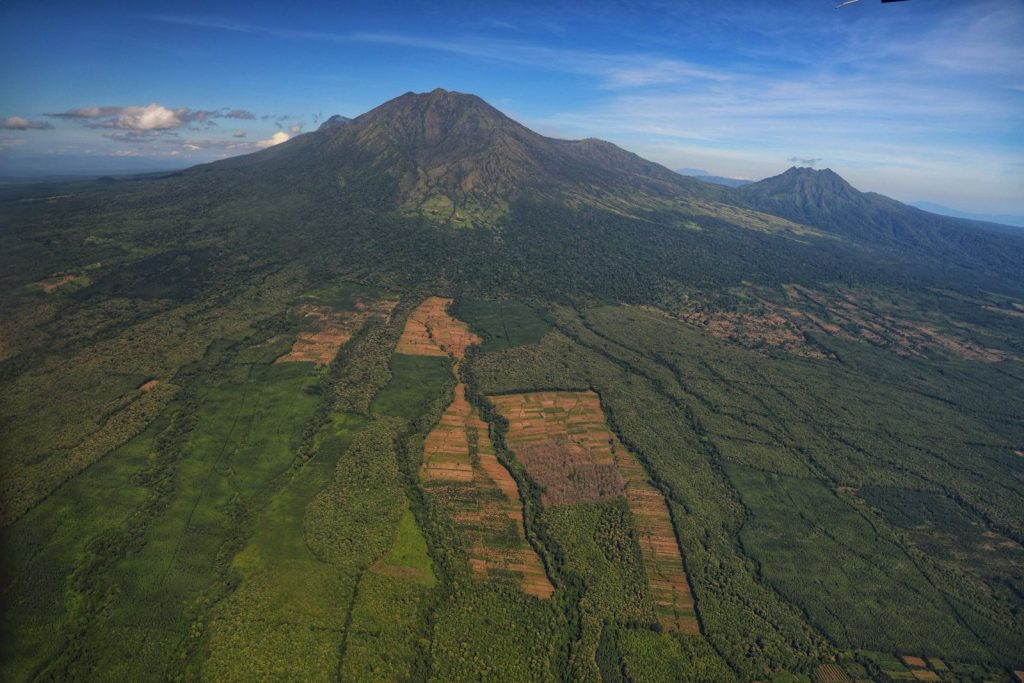
Volcanoes inspire scientists, artists and documentary filmmakers
For centuries, volcanoes have fueled the human imagination. Painters, writers, photographers and filmmakers regularly try to capture their visual power. In documentary filmmaking, these landscapes also become unique places to film. Conditions change rapidly while the atmosphere often remains unpredictable. Scientists also study volcanoes to better understand the evolution of the Earth. Underwater volcanoes notably play an important role in the formation of oceans and continents. This combination of science, danger and beauty explains why volcanoes remain so present in human stories and cultures.
Fascination and fear remain deeply connected
Volcanoes constantly remind us that the planet remains active and unpredictable. An eruption can transform an entire landscape within only a few hours. Yet this threat is also part of their power of attraction. Observing an active volcano often confronts humans with something greater than themselves. In a highly controlled and urban world, volcanoes still represent spaces where nature imposes its own rules. Perhaps this uncontrollable power continues to fascinate humans across the world.
FAQ
They combine danger, beauty, natural power and spiritual fascination.
Yes. Most of the planet’s active volcanoes are located beneath the oceans.
Volcanoes were long associated with gods, spirits and natural forces.
Yes. They contribute to the formation of the seafloor and influence deep ocean ecosystems.
Volcanic landscapes offer unique light, textures and atmospheres.
Follow us on Instagram and Facebook to stay informed
This article may be of interest to you: Why do some rivers change direction over time?