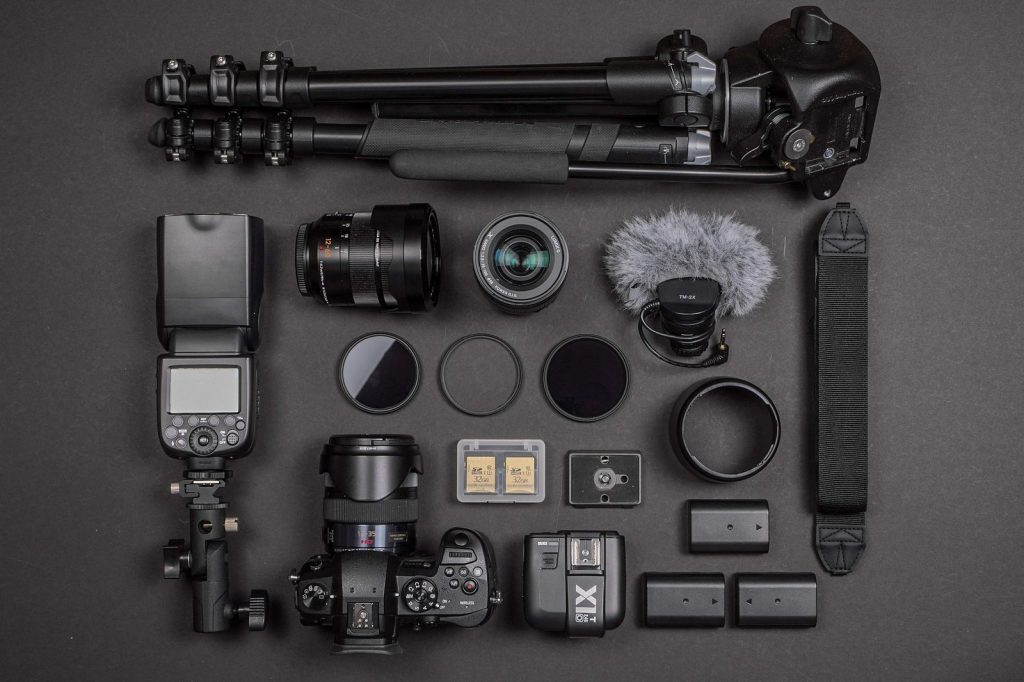
Choosing equipment for a documentary often seems simple before departure. Yet the reality of the field quickly changes priorities. Tropical humidity, long walks, fatigue, unpredictability and scenes that cannot be repeated impose a completely different reality. During a documentary shoot, the best camera is not always the one that creates the perfect image, but the one that allows you to stay present at the right moment.
Article by Damien Lafon.
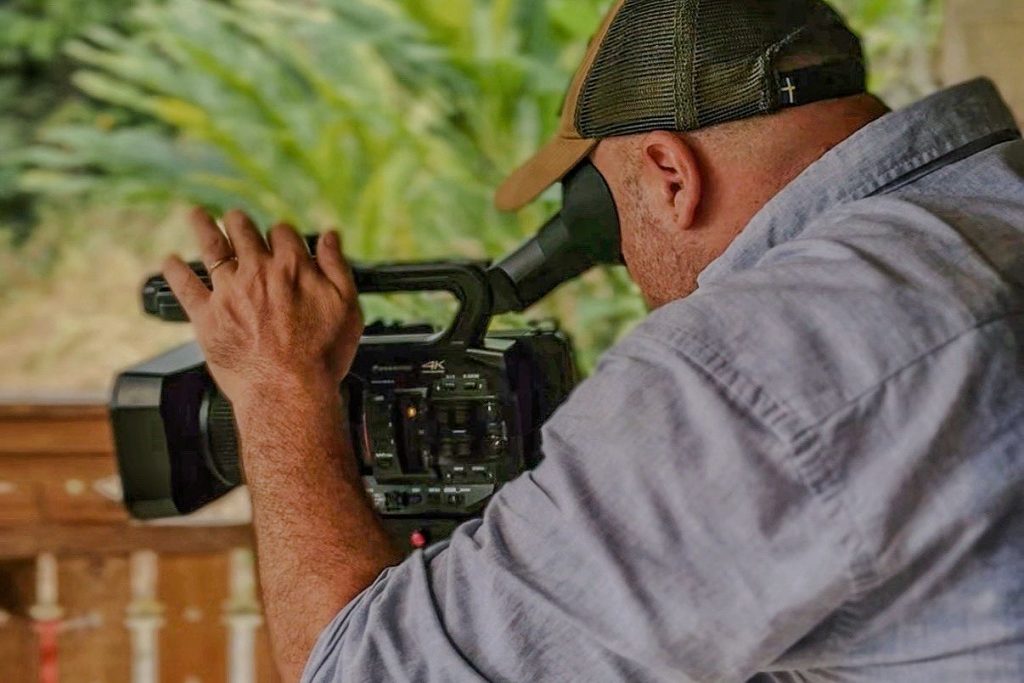
The field quickly transforms technical needs
Before a documentary shoot, many filmmakers imagine an ideal setup. However, the reality of the field often changes these expectations within the first few days. In a tropical jungle, humidity affects equipment while heat can reduce battery life. In addition, carrying several lenses for hours quickly becomes exhausting. On location, every movement requires energy. As a result, many documentary filmmakers gradually reduce their equipment in order to keep a lighter and more mobile approach. This simplicity also allows them to better observe the human scenes happening around them.
A discreet camera often changes the relationship with the people being filmed
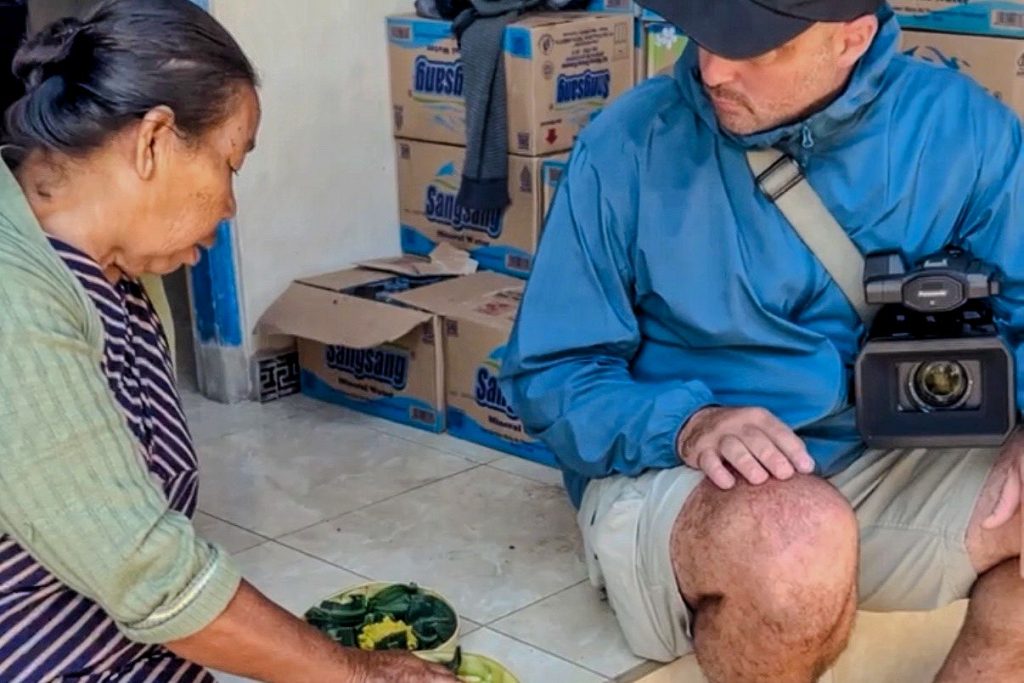
In a documentary, the presence of a camera naturally influences behavior. However, large equipment often attracts more attention than a small and discreet setup. In some villages or traditional ceremonies, a large camera immediately creates distance. On the other hand, a more compact device often helps preserve a natural atmosphere. This discretion becomes essential when scenes cannot be recreated. Looks, silences and gestures then appear more authentic. Today, many filmmakers prefer lightweight setups for this reason.
Did you know?
Several major wildlife documentaries were filmed with extremely small crews in order to limit human impact on the environment being filmed.
3. Sound often remains more important than the image
Online discussions regularly focus on image quality. Yet in the field, sound often becomes the most difficult element to control. Wind, insects, engines or rain can quickly make a scene unusable. Even with beautiful visuals, poor sound immediately breaks the viewer’s immersion. For this reason, many documentary filmmakers first invest in a reliable audio setup. A good microphone and a compact recorder quickly become essential. In a tropical forest, recording clean ambient sound sometimes requires as much patience as filming a rare scene.
Real conditions completely change the way people film
The field rarely follows a perfect scenario. A powerful scene may appear for only a few seconds before disappearing. In those moments, speed becomes more important than technical perfection. Some documentary filmmakers therefore prefer camcorders that can start filming immediately without changing lenses. Others choose lightweight hybrid cameras in order to achieve a more immersive and cinematic image. Yet they all search for the same thing: staying available for the unexpected. Documentary filmmaking often requires accepting a certain level of instability. This spontaneity also contributes to the strength of the images.
Did you know?
Some filmmakers still use improvised protection against tropical humidity when conditions become too extreme for their equipment.
The weight of the equipment also influences the documentary perspective
During several days of shooting, the weight of the equipment becomes a very real factor. Carrying a camera, batteries, audio gear and a tripod in strong heat requires a great deal of energy. This fatigue then affects the way people film. Heavy equipment slows movement and sometimes reduces attention toward the environment. On the contrary, a simpler setup often allows filmmakers to remain more mobile and more focused on people. Many experienced directors eventually use less equipment than they did at the beginning of their documentary journey.
The best equipment is often the one you eventually forget about
Today, almost all modern cameras produce beautiful images. However, documentary filmmaking does not rely only on technology. Observation, patience and the relationship with the people being filmed remain essential. A perfectly mastered camera eventually becomes almost invisible in the creative process. In the field, the most important thing often consists of staying available for what appears naturally. Some powerful scenes last only a few seconds. Equipment supports this documentary approach. However, it will never replace the sensitivity of the human eye.
FAQ
Lightweight, reliable and easy-to-carry equipment often remains the best choice for immersive shoots.
Yes. Their built-in zoom and speed remain highly effective in unpredictable situations.
Poor sound immediately reduces immersion, even when the image looks beautiful.
No. Many filmmakers work with very simple setups in order to stay mobile.
Yes. Tropical environments often require additional protection against humidity and condensation.
Follow us on Instagram and Facebook to stay informed
This article may be of interest to you: Trunyan, the Village of Silent Souls – Short Documentary