
Every week, somewhere in the world, a language falls silent. Along with it disappear stories, songs, traditions, and sometimes centuries of knowledge passed down through generations. This phenomenon affects every continent today. Researchers estimate that nearly half of the languages currently spoken could vanish before the end of the 21st century. Behind this reality lies a largely overlooked issue: the preservation of the world’s intangible cultural heritage. Understanding why languages disappear helps us grasp what humanity stands to lose.
Article by Damien Lafon.

The Disappearance of Languages Is Accelerating Under the Influence of Globalization
Today, the world is home to approximately 7,000 languages. Yet only a small fraction of them are spoken by the majority of the global population. In many regions, local languages are declining as dominant languages associated with education, economic opportunities, and media become increasingly widespread. Migration to urban centers plays a major role in this process. When families move to cities, children often adopt the language used at school and in professional life. Gradually, the family language loses its place in daily communication. Within one or two generations, it can disappear entirely. This situation is observed in many Indigenous communities across Asia, Africa, South America, and Oceania. As lifestyles evolve, some languages are spoken less frequently and eventually fall into disuse.
Every Language Contains a Unique View of the World
A language does more than enable communication. It conveys a particular way of understanding and organizing the world. Behind words lie knowledge systems connected to the environment, history, spirituality, and cultural practices of a community. In some regions, languages contain dozens of terms to describe specific plants, animals, or natural phenomena. This knowledge has been built over centuries through careful observation of the local environment. When a language disappears, these nuances become harder to transmit. Translations may preserve part of the meaning, but they can never fully replace the original expressions. As a result, the loss of a language also represents a loss of knowledge for humanity as a whole.
Did You Know?
Papua New Guinea is the most linguistically diverse country in the world, with more than 800 languages recorded within its borders.
Family Transmission Remains the Key to Language Survival
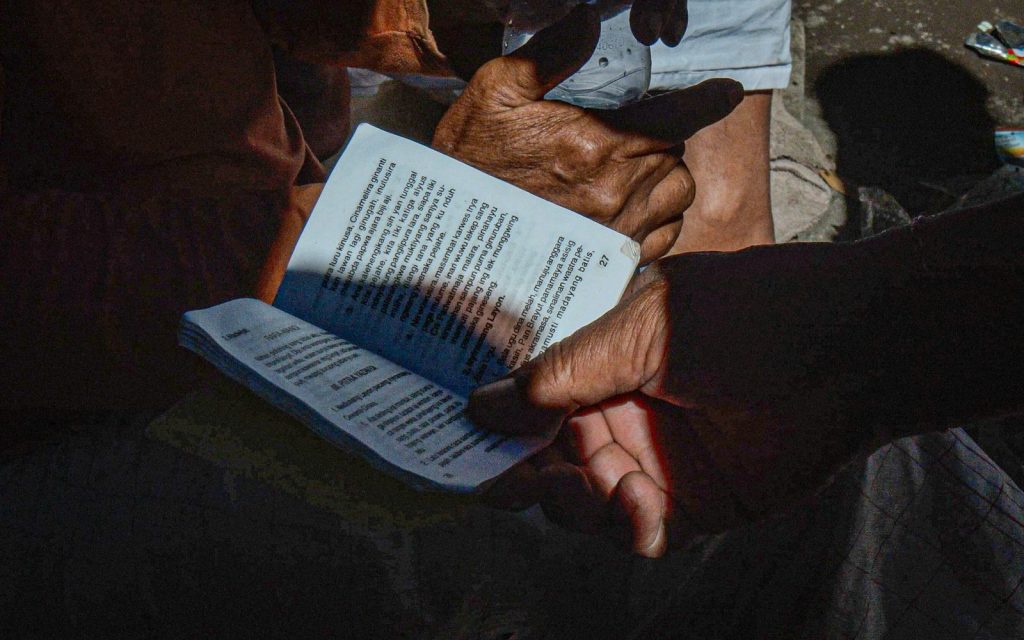
A language survives above all when it is passed on to children. This transmission takes place primarily within families. When parents stop speaking their native language at home, the break can occur very quickly. Social status also plays an important role. Some communities voluntarily abandon their language in the hope of providing better opportunities for their children. These decisions are often driven by educational or economic concerns. However, numerous studies have shown that multilingualism does not hinder academic success. In many countries, bilingual education programs encourage the simultaneous teaching of local and national languages to preserve linguistic diversity.
New Technologies Offer Unprecedented Opportunities
For many years, the documentation of endangered languages relied mainly on academic research. Today, digital tools make it possible to go much further. Mobile applications, online dictionaries, and audio archives help preserve and teach endangered languages. Communities can record traditional stories, songs, and oral histories and share them with future generations. Social media has also become an unexpected ally. In some regions, younger speakers now use their ancestral languages online, increasing their visibility and relevance. This digital revival strengthens cultural pride and helps maintain the everyday use of languages once considered at risk.
Did You Know?
Some languages once considered nearly extinct have experienced remarkable revivals through education programs, media exposure, and digital tools. Several communities have significantly increased their number of speakers within just a few decades.

Preserving Languages Means Protecting the World’s Intangible Cultural Heritage
The preservation of a language does not depend solely on researchers or institutions. It begins with the communities that continue to speak it, teach it, and keep it alive. Organizations such as UNESCO support numerous initiatives aimed at documenting endangered languages and safeguarding the traditions associated with them. However, the success of these efforts often depends on local engagement. Language preservation goes far beyond vocabulary. It also encompasses stories, songs, ceremonies, traditional knowledge, and ways of thinking that shape a people’s identity. Every language represents a living library, and its disappearance impoverishes the world’s cultural heritage.
Linguistic Diversity Remains an Essential Resource for the Future
In an increasingly standardized world, linguistic diversity reminds us that humanity is not defined by a single way of thinking or describing reality. Every language offers a unique perspective on nature, human relationships, and history. Although languages are disappearing at an alarming rate, many initiatives demonstrate that this trend can be reversed. Around the world, communities are working to pass on their cultural heritage to future generations. Preserving endangered languages is therefore about much more than saving words. It is about protecting collective memory, cultural identity, and an irreplaceable part of human diversity.
FAQ
Languages disappear mainly because of globalization, migration, urbanization, and the growing dominance of major languages used in education, media, and employment. When younger generations stop speaking a language, it can vanish within a few decades.
Linguists estimate that around 40 to 50 percent of the world’s languages could disappear by the end of the century. Many endangered languages have only a few thousand speakers remaining.
Every language carries unique knowledge about history, culture, traditions, and the natural environment. When a language disappears, valuable cultural and scientific knowledge can be lost as well.
Yes. Digital archives, mobile applications, online dictionaries, and social media platforms help communities document, teach, and promote endangered languages to new generations.
Yes. Several languages have experienced successful revivals through education programs, community initiatives, media exposure, and strong cultural engagement from younger generations.
Follow us on Instagram and Facebook to stay informed
This article may interest you : Aboriginal Art: From Ancient Caves to Modern Galleries