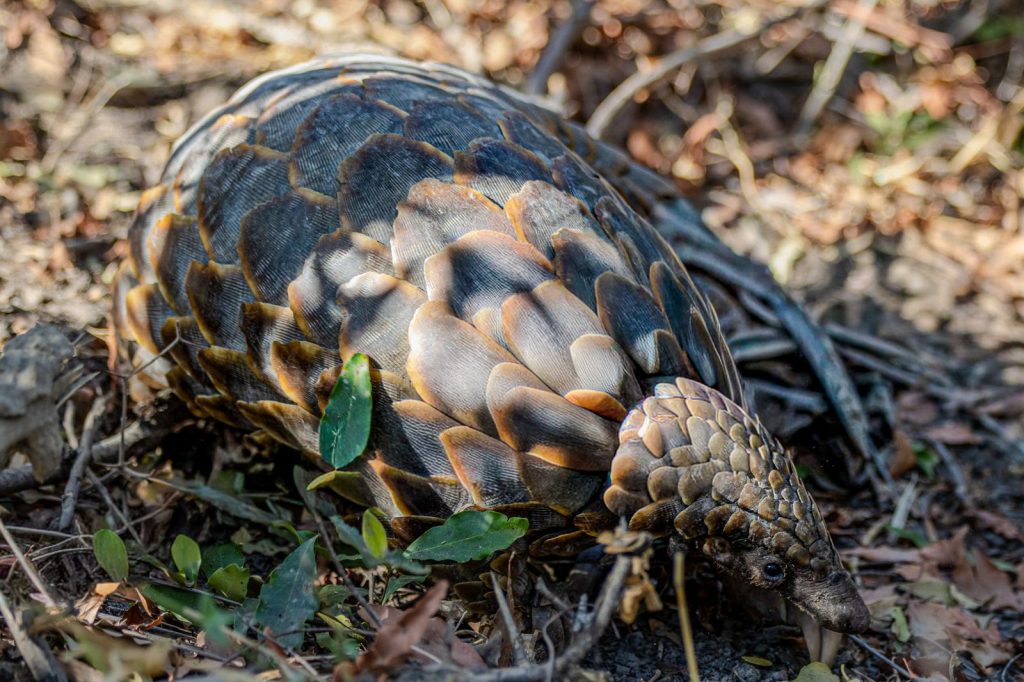
Invisible, discreet and yet at the heart of a massive global trade, the pangolin embodies a silent ecological crisis. In Africa, this unique animal, belonging to the order of Pholidota, is under increasing pressure. Between beliefs, illegal trade, and habitat destruction, its future remains uncertain. This article explores its role, its threats, and the possible solutions.
Article by Damien Lafon & Photography by @Cécile Ducreux.
A unique animal in the world, between reptile and mammal
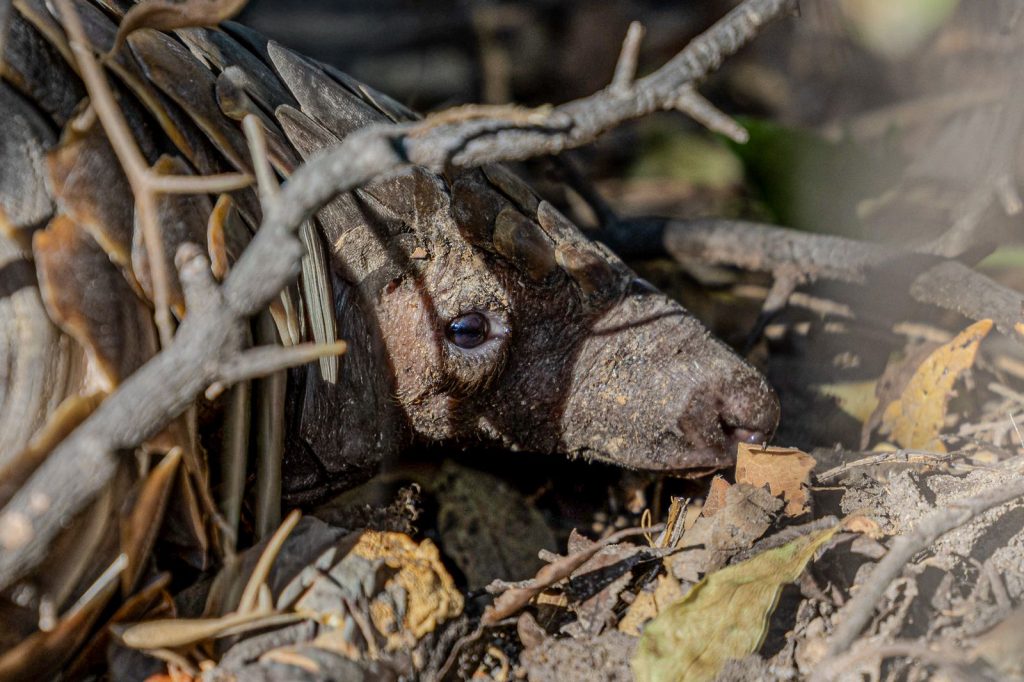
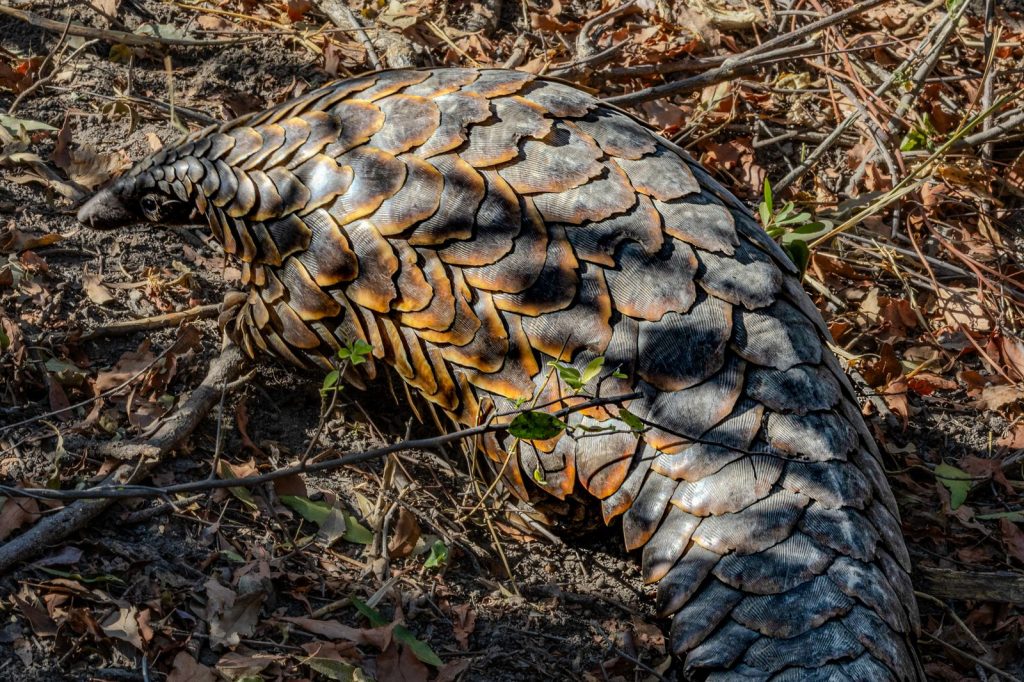
The pangolin fascinates at first glance, yet it remains largely unknown. Contrary to appearances, it belongs to mammals and not reptiles. African species include Smutsia gigantea and Phataginus tricuspis. Its body is covered with keratin scales, which can represent up to 20 percent of its total weight. These scales act as a natural armor. When threatened, it curls into a ball, making it nearly invulnerable to predators. In addition, the pangolin has an exceptional tongue that can reach up to 40 centimeters. This sticky tongue allows it to efficiently capture ants and termites. In Africa, several species inhabit diverse environments, ranging from savannas to dense tropical forests.
An essential ecological role in African ecosystems
The pangolin plays a key role in maintaining natural balance, yet this role is often overlooked. Each night, an individual can consume up to 70 million insects per year. As a result, it effectively regulates termite and ant populations. Without it, these insects could proliferate rapidly and create major imbalances. Termites weaken soils and attack crops, directly impacting certain local economies. Thanks to the pangolin, these effects remain limited. It acts as a natural biological regulator. Therefore, protecting this animal means preserving the balance of many African ecosystems.
Did you know?
The pangolin is the only mammal entirely covered in scales.
Illegal trade, the main threat to its survival
Today, the pangolin is considered the most trafficked animal in the world. According to some estimates, more than one million individuals have been captured over a decade. Its scales fuel a highly structured international illegal trade. They are used in certain traditional medicines, mainly in Asia. In addition, its meat is consumed as a luxury product. Despite the international trade ban under CITES since 2017, trafficking continues. Criminal networks exploit strong demand and weak enforcement. As a result, all African pangolin species are now classified as vulnerable or endangered on the IUCN Red List.
Between beliefs and reality: why is the pangolin so sought after?
Demand often relies on long-standing beliefs. Some cultures attribute medicinal properties to pangolin scales. However, no scientific study confirms these effects. The scales are made of keratin, like human hair and nails. Therefore, their effectiveness remains unproven. Despite this, demand persists and fuels a highly lucrative black market. At the same time, certain local traditions also value this animal, which complicates conservation efforts. Understanding these cultural dimensions is therefore essential to effectively combat trafficking.
Did you know?
Its tongue is attached near its pelvis rather than in its throat.
Protection efforts in Africa: a race against time
In response to this crisis, several initiatives are emerging on the ground, involving NGOs, scientists, and local communities. Specialized centers take care of pangolins rescued from trafficking. These structures then attempt to reintroduce them into their natural habitat, although survival rates remain fragile. In addition, awareness campaigns aim to reduce international demand. African governments are also strengthening laws and enforcement. However, resources often remain limited against organized networks. Therefore, protecting the pangolin requires strong international cooperation and coordinated actions.
What future for the African pangolin?
The future of the pangolin depends directly on actions taken today. Reducing trafficking remains a top priority to stabilize populations. At the same time, habitat protection is essential, as deforestation is increasing in several African regions. Education also plays a key role in changing behaviors over time. If these efforts intensify, the pangolin could become a symbol of successful conservation. Conversely, without rapid action, some species could disappear within the coming decades.
FAQ
Pangolins belong to the order Pholidota and include several species such as Smutsia and Phataginus.
Massive poaching and international trafficking are the main threats, reinforced by habitat loss.
Four species live in Africa, distributed across forest and savanna ecosystems.
Supporting NGOs, raising awareness, and avoiding products from wildlife trafficking are essential actions.
Follow us on Instagram and Facebook to stay informed
This article may interest you: The Blue Wildebeest, Sentinel of the African Savannas