
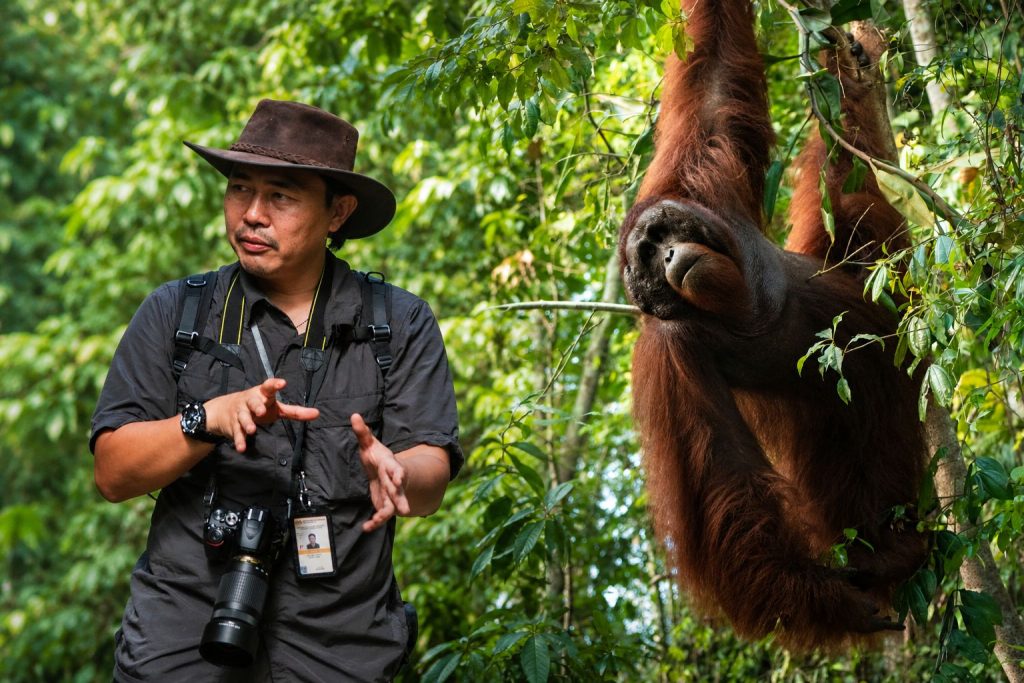
In Sarawak, guide and photographer Bill Patrick has spent years leading travellers through forests, rivers, longhouses and national parks. But for him, guiding has never simply been about showing people where to go. It is about helping them understand a place: its communities, its landscapes and the relationship between people and nature.
By Damien Lafon – ©️ Photo Bill Patrick.
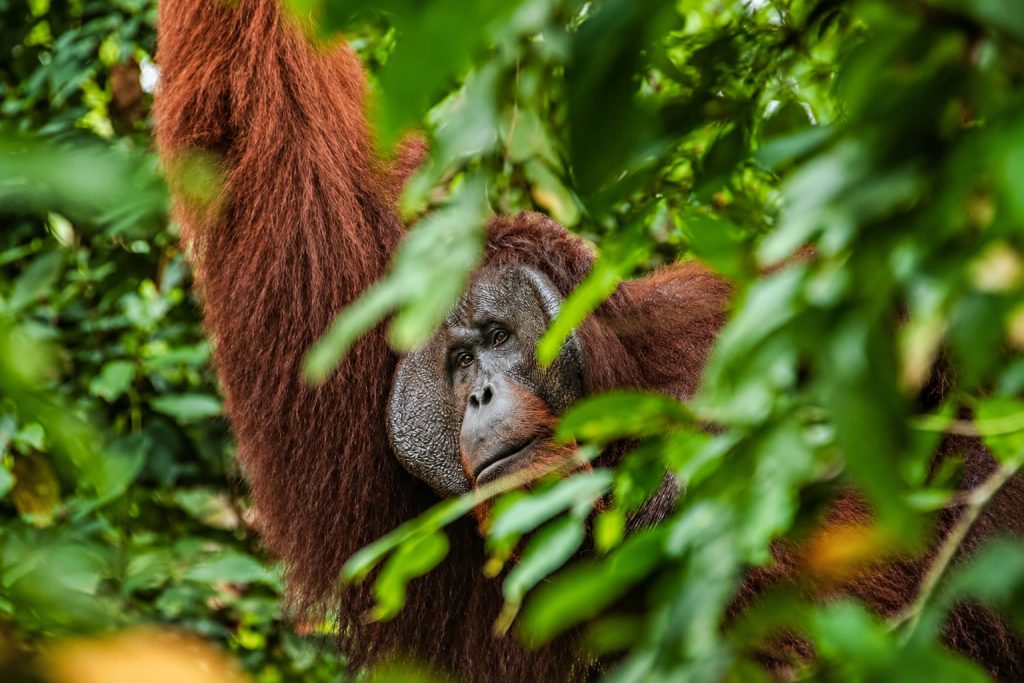
Growing up surrounded by Sarawak’s cultural diversity and extraordinary biodiversity, Bill developed a deep attachment to Borneo. Over time, guiding became a way of sharing that connection with others while challenging some of the stereotypes visitors still bring with them.
For Terra People, Bill Patrick reflects on what outsiders misunderstand about Sarawak, the responsibility of entering local communities, the changes reshaping Borneo and the role a guide can play in helping people see a place differently.
What first made you want to become a guide and spend your life showing people Borneo?
My motivation came from a deep sense of pride in my homeland and Borneo’s natural heritage. Growing up surrounded by the culture and biodiversity of Sarawak, I realised that our landscapes, rainforests and traditions are extraordinary treasures.
I wanted to become a bridge, a connector who could convey the true stories of Borneo to the world. For me, guiding was never simply about showing popular attractions. It was about helping visitors understand the deeper character of the place and the people who live here.
That is still what drives me today.
What do visitors misunderstand most about Sarawak before they arrive?
Many overseas visitors, and even some from West Malaysia, still imagine Sarawak as a remote and underdeveloped interior surrounded by endless wilderness.
They are often surprised when they arrive in places such as Kuching and discover the relationship between modern development and cultural diversity. Different ethnic communities, religions and languages coexist here, often very naturally.
There is also a tendency to think of local culture as something belonging to the past, something preserved mainly for ceremonies or for tourists. But our traditions, languages and values are still alive. They continue to evolve alongside contemporary life.
Sarawak is not a museum. It is a living place.
When you guide someone through a place you know deeply, what do you hope they notice beyond the obvious landscapes and wildlife?
I hope they notice what I call the heartbeat of the place.
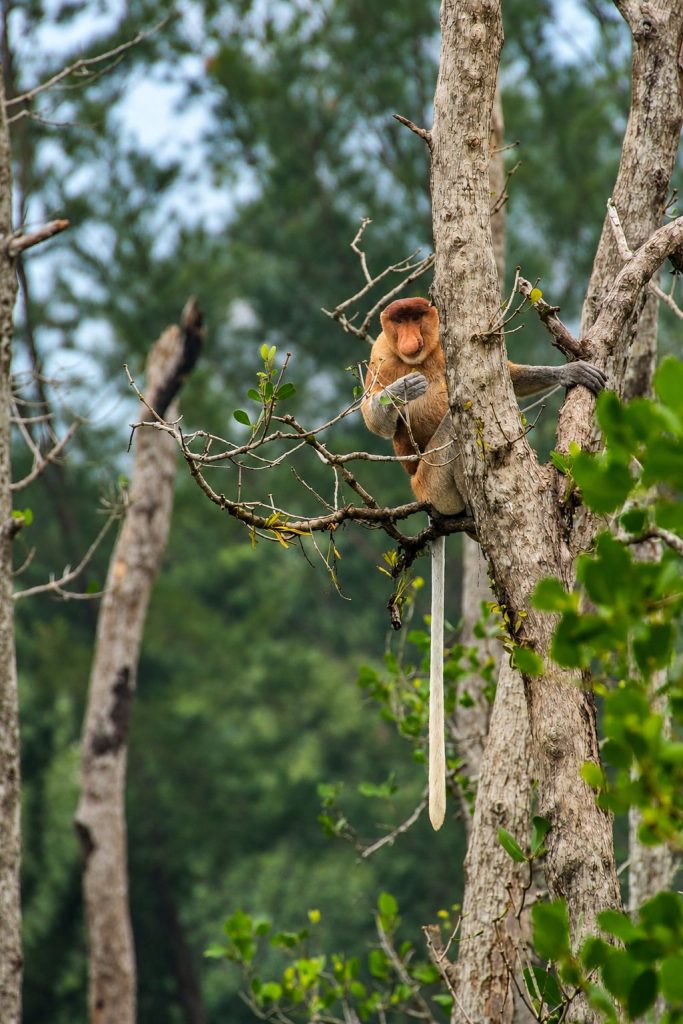
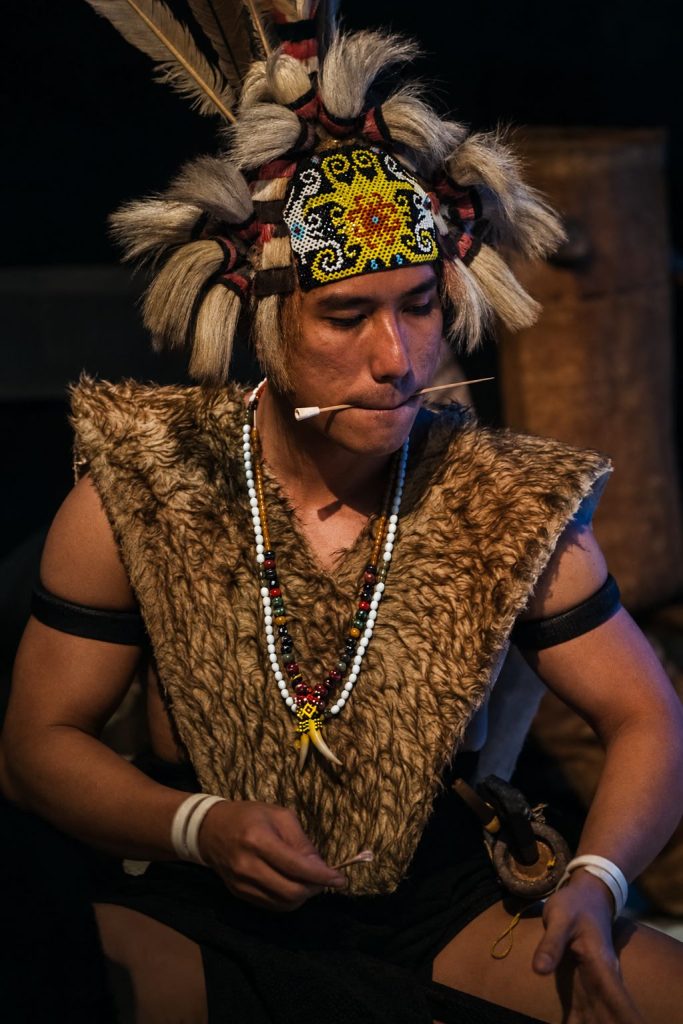
It might be the sound of wind moving through the rainforest canopy, the rhythm of a river, the warmth of a family welcoming you into a longhouse or the traditional knowledge people still have about the environment around them.
There is a slower rhythm in many parts of Sarawak, and I want visitors to experience that. Nature and human life are closely connected here. Forests and rivers are not simply beautiful scenery. For many communities, they are part of daily life, history and identity.
Sometimes the things travellers remember most are not the dramatic moments. They are the small details: a conversation, a sound, a gesture or the feeling of being welcomed into someone else’s world.
You bring visitors into longhouses and local communities. What responsibility comes with that?
Entering a community’s living space is a privilege, not a right.
Trust has to be built through honesty and respect for local customs. As a guide, I have a responsibility to make sure visitors understand that they are entering someone else’s home. They need to listen, behave respectfully and recognise that not every moment has to become a photograph.
At the same time, tourism should bring fair and meaningful benefits to the communities receiving visitors. People should not simply become part of someone else’s travel experience.
When tourism is based on respect, it can support families, local guides, boat operators, craftspeople and small businesses. It can also help preserve cultural knowledge.
But if it is poorly managed, tourism can change the very places people come to discover.
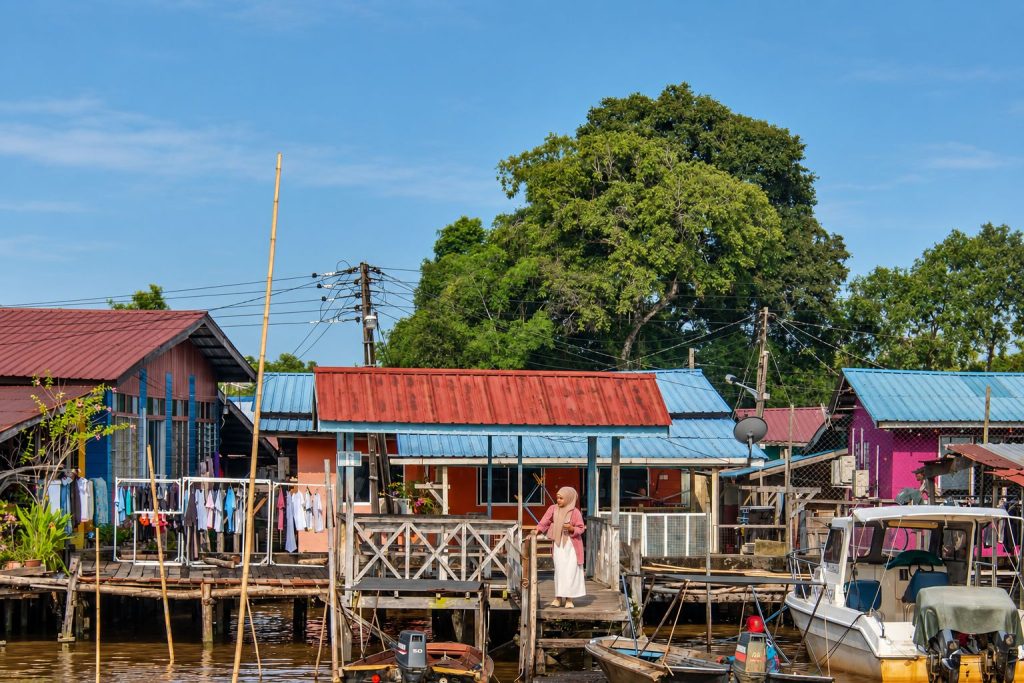
Sarawak is changing quickly. How do you find the balance between development, tourism and protecting what makes a place unique?
Development is not something I see as automatically negative. Better roads, transport, electricity and communication can dramatically improve life in rural communities. People should not be expected to remain frozen in time simply because outsiders find a traditional way of life attractive.
But the question is who development is designed for.
Infrastructure should first respond to the needs of local residents. Tourism should then adapt to the place rather than forcing the place to adapt to visitors.
Over the years, I have seen modernisation open rural areas and create new opportunities. At the same time, it has created challenges for environmental conservation and for passing traditional knowledge to younger generations.
This reminds me how fragile some things can be. Progress is necessary, but it should not mean losing the cultural identity or natural environments that make these places unique.
Has photography changed the way you see Borneo, and what do you still hope travellers understand before they leave?
Photography has taught me to observe with greater detail and patience.
As a guide, I often have to look at the bigger picture: the journey, the group, the landscape and the story I am trying to communicate. Behind a camera, everything slows down.
I start noticing smaller moments: light passing through the rainforest canopy, an expression on someone’s face, the texture of an ancient tree or the way a river changes after rain. Photography has taught me to look more carefully at places I thought I already knew.
There are still places that feel special to me no matter how many times I return: traditional longhouse communities, rivers and forest trails in some of Sarawak’s older national parks. The river currents change, the forest brings different sounds and the conversations are never exactly the same.
Travellers have also changed the way I see my own home. They notice things I sometimes take for granted: several languages being spoken around one table, the generosity of a community or the way different cultures live together.
Seeing Sarawak through their eyes often reminds me how valuable these things are.
Ultimately, I hope visitors understand that Borneo is not simply a holiday destination. It is a living ecosystem, home to communities, cultures and extraordinary biodiversity that need to be protected.
I hope they leave with more than photographs of orangutans, rainforest trails or longhouses.
I hope they take home the true story of Borneo and become “little ambassadors” for our harmony and environmental conservation.
Follow Bill Patrick: https://www.instagram.com/billpatrick.travel.photography/