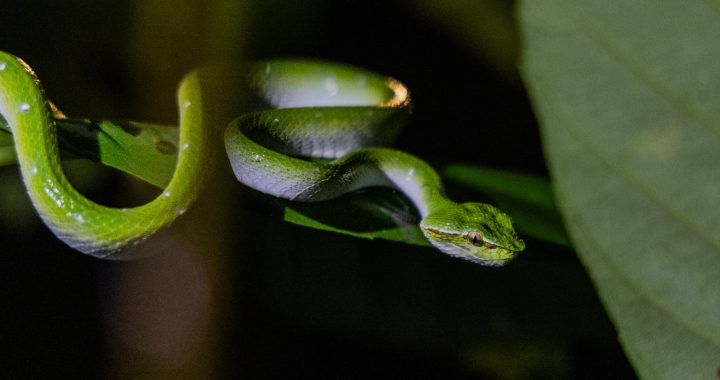
Why Do Tropical Rainforests Host So Many Species?
Millions of years of evolution, a stable climate, and a constant abundance of resources have
Millions of years of evolution, a stable climate, and a constant abundance of resources have
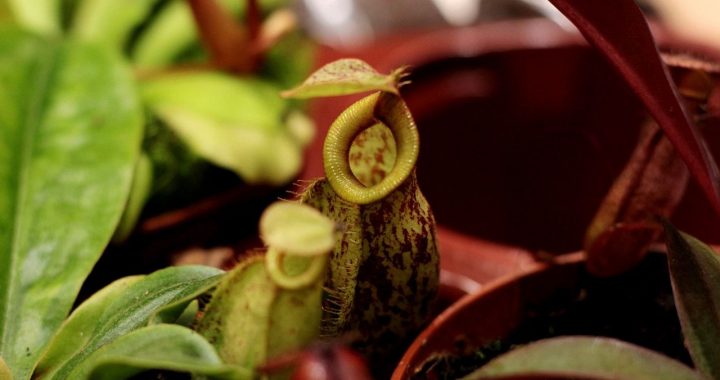
Carnivorous plants grow in environments where the soil provides very little nitrogen and other essential
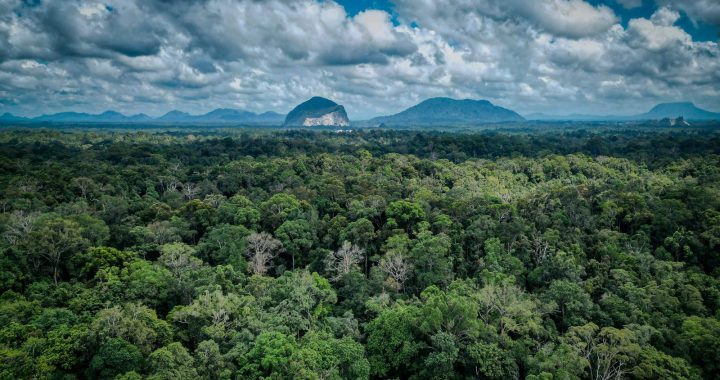
The term primary forest is widely used, yet rarely understood with precision. It refers to
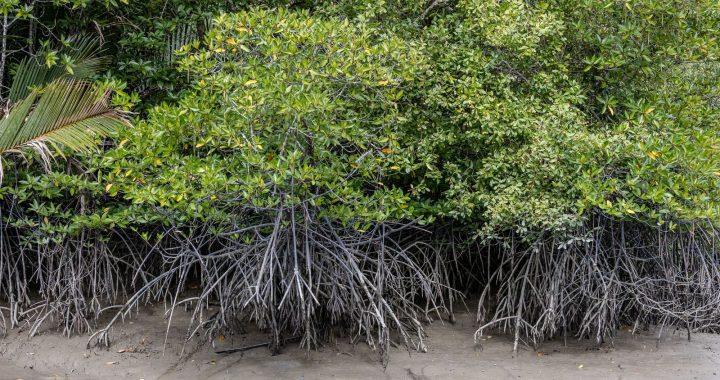
Between sea and land, mangroves shelter exceptional biodiversity and act as a natural shield against
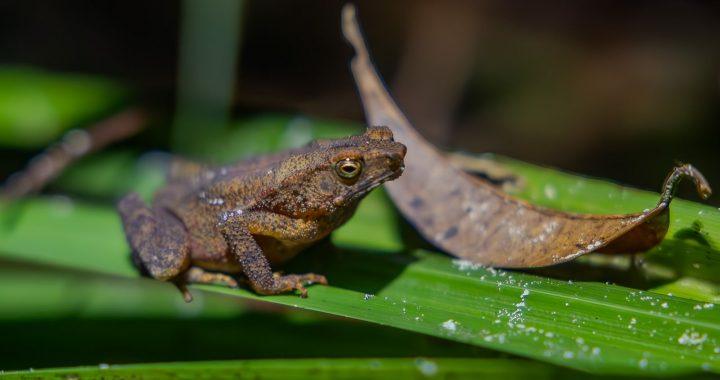
They leap through our tales, our marshes, and sometimes our laboratories. Fragile yet essential, frogs
Colorful, curious, and iconic, toucans evoke both admiration and wonder. Their oversized and vividly colored
The proboscis monkey of Borneo captivates with its long nose, amphibious gait, and echoing calls
Among Australia’s iconic species, the koala (Phascolarctos cinereus) holds a special place. This arboreal marsupial,
The silver langur (Trachypithecus cristatus) lives in the tropical forests and mangroves of Southeast Asia.
Cork oak and its forests cover about 23% of Portugal’s wooded areas, particularly in Alentejo
Crab-eating macaques (Macaca fascicularis), also known as long-tailed monkeys, are one of Southeast Asia’s most
Wild orchids, fascinating with their exotic shapes and incredible diversity, captivate botanists and nature The
Among the most extraordinary wonders of the plant kingdom, Rafflesia occupies a special place. With
Located near Kuching in the Malaysian state of Sarawak, the Semenggoh Wildlife Centre is home
The island of Java in Indonesia is renowned for its lush landscapes, majestic volcanoes, and