
Artificial intelligence can record endangered languages, analyse traditional music and help preserve fragile cultural knowledge. But as technology enters the world of living heritage, a difficult question emerges: can a tradition still remain authentic when an algorithm helps preserve it?
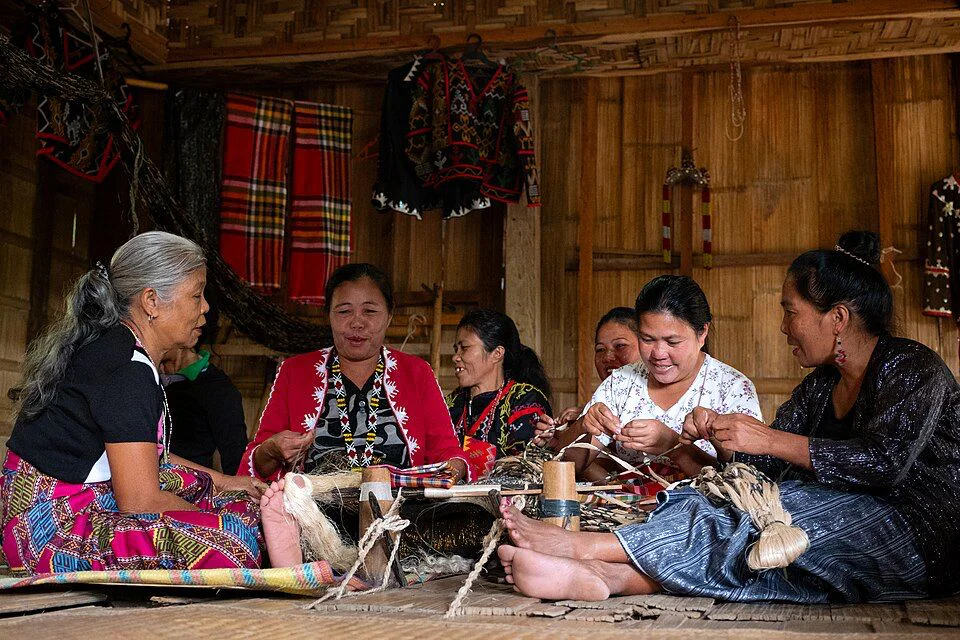
For centuries, traditions survived through people. Songs were learned by listening, stories passed from grandparents to children, and crafts were taught through gestures, repetition and observation. Languages survived because communities continued speaking them. Artificial intelligence is now beginning to enter that chain of transmission.
On September 11, 2026, researchers, heritage specialists and policymakers gathered in Athens for a UNESCO conference dedicated to this emerging relationship. Called Generative Traditions, the event explored how artificial intelligence could affect the documentation, protection and transmission of living heritage. The technology offers remarkable possibilities, but it also raises difficult questions about authenticity, ownership and control.
When Technology Meets Living Heritage
Living heritage is not limited to monuments or museum collections. It includes oral traditions, rituals, performing arts, traditional craftsmanship, social practices and knowledge transmitted between generations. Unlike a historical object protected behind glass, these traditions survive because people continue practising them.
Artificial intelligence could help document this knowledge on an unprecedented scale. Algorithms can process thousands of hours of recordings, identify linguistic patterns, transcribe oral histories and organise archives that researchers could never examine manually. The UNESCO conference in Athens examined precisely these possibilities, including how AI could influence research, documentation and the safeguarding of cultural practices in digital environments.
But that creates a paradox. The same technology capable of helping preserve a tradition could also influence how that tradition is understood, reproduced and eventually transmitted.
Can AI Help Save Endangered Languages?
Languages illustrate both the promise and limitations of artificial intelligence particularly well. Many Indigenous and minority languages have relatively little digitised material. Recording vocabulary, pronunciation and oral histories can therefore become a race against time.
AI tools can help organise recordings, identify speech patterns and create educational resources for younger generations. Yet artificial intelligence depends heavily on data. Systems trained mainly on globally dominant languages often perform less effectively with languages that have limited online representation.
UNESCO has highlighted this problem in Africa, where AI tools can struggle with Indigenous languages because too little relevant material exists within their training data. The problem also goes deeper than vocabulary. A language carries humour, history, relationships and particular ways of understanding the world. An algorithm may preserve individual words while missing part of the culture contained within them.

Did You Know?
UNESCO considers oral traditions, performing arts, rituals, social practices, craftsmanship and knowledge concerning nature and the universe part of humanity’s intangible cultural heritage. This heritage depends on communities continuing to recognise and transmit it.
When Cultural Knowledge Becomes Data
Another question concerns ownership. Traditional knowledge can include songs, medicinal practices, sacred stories, agricultural techniques, ceremonies or artistic designs developed over generations. Once these materials are digitised, they become data that can be stored, copied, analysed and potentially used to train artificial intelligence systems.
That creates a fundamental cultural issue because not every tradition was created to be freely shared. Some knowledge belongs to particular families, elders or communities. Certain stories may only be told during specific ceremonies, while sacred material can follow strict cultural rules governing who may hear, perform or reproduce it.
Digitising a tradition does not automatically remove those rules. This raises one of the most important questions surrounding AI and heritage: who decides what a machine is allowed to learn?
Preservation Is Not the Same as Transmission
Recording a tradition is relatively easy. Keeping it alive is far more complicated. An archive can contain thousands of traditional songs without anyone continuing to sing them. A computer can reproduce the visual pattern of an ancient textile without understanding why its symbols matter.
Living heritage has always changed, and every generation modifies traditions as societies evolve. That evolution does not automatically make a tradition less authentic. Artificial intelligence, however, introduces a new form of transformation.
Generative systems can analyse existing cultural material and produce new songs, stories, images or designs inspired by those patterns. Eventually, distinguishing between something created inside a community and something generated by software may become increasingly difficult. The Athens conference recognised this as an emerging field requiring further research and new cultural policies.

Did You Know?
UNESCO describes living heritage as something communities continually recreate in response to their environment, history and interaction with nature. In other words, tradition has never meant keeping culture permanently frozen in time.
Can AI Create an Authentic Tradition?
This may become the most difficult question. Imagine an AI trained on hundreds of traditional songs from one community. It could eventually generate a completely new song using similar rhythms, instruments and musical structures.
Technically, the result might sound authentic. Culturally, however, something important would be missing. No elder taught the song, no ceremony gave it meaning, and no community decided why it should exist. The machine reproduced the pattern, but not the experience behind it.
The same problem could emerge with textile designs, oral storytelling, dance movements or traditional visual symbols. AI can imitate cultural expression extremely well. Whether imitation can ever become tradition is another matter entirely.
Technology Should Serve Communities
Artificial intelligence does not have to become an enemy of cultural heritage. Used carefully, it could become an extraordinary tool. Communities could use AI to restore damaged recordings, organise oral histories, support language learning or reconnect archives scattered across museums and institutions.
It could also allow younger generations to explore cultural material in formats they already use. The critical question is who remains in control. Rather than technology companies deciding how cultural knowledge should be processed, communities themselves could determine what is recorded, what remains private and how digital tools are used.
The future of AI and culture may therefore depend less on what machines are capable of doing than on the rules societies establish around them. Artificial intelligence can help preserve evidence that a tradition existed, but only people can decide whether that tradition continues to live.
FAQ
AI can transcribe oral histories, analyse recordings, organise archives, assist language documentation and make large cultural collections easier to explore.
Potentially. It can support educational tools, transcription and language resources. However, many minority languages lack enough digital data for AI systems to work accurately.
Some cultural knowledge follows specific community rules concerning ownership, access and transmission. Turning it into digital data may allow it to be copied or reused outside those traditions.
AI can reproduce cultural patterns, but authenticity involves more than appearance or sound. Cultural meaning also comes from people, history, context and community recognition.
AI can support preservation, but living heritage ultimately depends on people continuing to practise, teach and reinterpret their traditions.
Follow us on Instagram and Facebook to stay informed
This article may be of interest to you: Why Do Languages Disappear? Understanding the Loss of the World’s Intangible Cultural Heritage
Credit photos
*1 ©️Ceeeejay2727 / Wikimedia Commons
*2 ©️Ibrahim Musa Dzamghra / Wikimedia Commons