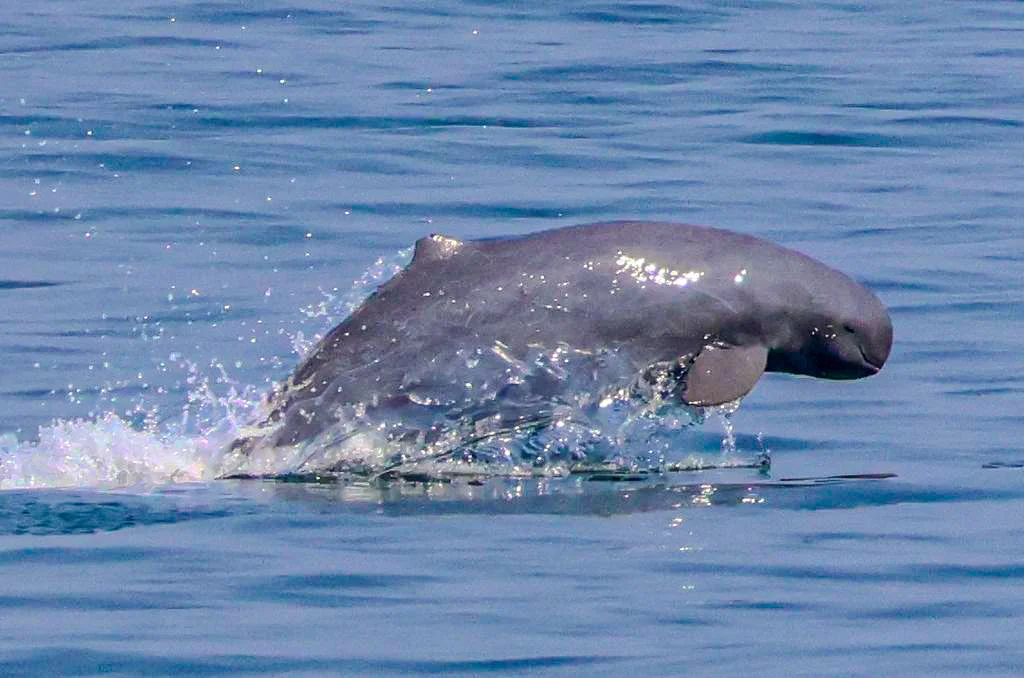
Six Irrawaddy dolphin calves have been recorded in Cambodia in 2026, offering renewed hope for one of the world’s most threatened freshwater dolphin populations. Yet their survival remains closely linked to the future of the Mekong River.

A Small but Significant Recovery
Along a 120-kilometre stretch of Cambodia’s Mekong River, six new Irrawaddy dolphin calves (Orcaella brevirostris) have been confirmed in 2026. According to WWF, the population has reached an estimated 118 individuals, compared with 89 in 2017.
The births represent encouraging progress for a population that has declined dramatically over recent decades. In the late 1990s, approximately 200 Irrawaddy dolphins inhabited the Cambodian Mekong. Today, the remaining animals occupy a limited section of the river between Kratie and Stung Treng provinces.
For conservationists, the latest figures suggest that long-term protection measures may be helping this vulnerable population recover.
A River Under Pressure
Despite the encouraging numbers, the Mekong’s Irrawaddy dolphins remain critically endangered. Accidental entanglement in fishing nets continues to threaten their survival, particularly among young dolphins.
Illegal electrofishing, declining fish stocks and changes to river habitats add further pressure. Hydroelectric dams throughout the Mekong Basin have also altered water flows and disrupted aquatic ecosystems, affecting the fish populations on which dolphins depend.
The disappearance of dolphins from other sections of the Mekong illustrates these risks. In 2022, the last surviving dolphin near the Cambodia–Laos border died after becoming entangled in fishing gear, ending the species’ presence in that particular river section.
These losses demonstrate why protecting a small population requires sustained efforts rather than temporary interventions.
Protecting Dolphins and Local Livelihoods
For communities living along the Mekong, Irrawaddy dolphins represent more than an endangered species. Traditionally associated with the spiritual identity of the river, they also support local livelihoods through wildlife tourism.
Near Kratie, boat operators take visitors to observe dolphins in their natural habitat. Their presence provides an important source of income for families who depend on the river.
Conservation programmes led by Cambodia’s Fisheries Administration and WWF-Cambodia combine population monitoring, fishing restrictions and community participation.
Local river guards also patrol protected areas to prevent illegal fishing, although limited resources and difficult working conditions remain challenges.
The recent births highlight what cooperation between scientists, authorities and local communities can achieve.
Did You Know?
Unlike most dolphins, which inhabit marine environments, Cambodia’s Irrawaddy dolphins live entirely in freshwater. Their rounded heads, short beaks and small dorsal fins make them easily recognisable. Newborn calves measure approximately one metre in length and can grow rapidly during their first year.
What Comes Next?
The six calves offer a positive development, but their long-term survival will depend on continued protection of their habitat. Healthy fish populations, responsible fishing practices and effective monitoring remain essential.
For Cambodia’s riverside communities, the recovery of the Irrawaddy dolphin is closely connected to the future of the Mekong itself.
FAQ
According to figures reported by WWF in September 2026, approximately 118 Irrawaddy dolphins inhabit Cambodia’s Mekong River.
Their principal threats include accidental entanglement in fishing nets, illegal electrofishing, habitat degradation and changes to river ecosystems.
The remaining Mekong population lives along approximately 120 kilometres of river between Kratie and Stung Treng provinces.
Sources
- WWF Austria — Mekong Dolphin Population Update, 14 September 2026
- Mongabay — Six New Calves Offer Hope, 20 October 2026
- Mongabay — Mekong’s Irrawaddy Dolphins Find Cautious Hope, 17 September 2026
- WWF-Cambodia — Diving into the Mekong Irrawaddy River Dolphins
Credits photos:
Hero ©️BioM_Akekachoke.B
*©️Damien Lafon
Follow us on Instagram and Facebook to stay informed
This article may be of interest to you: 11 Protected Mobula Rays Seized in Bali Amid Marine Conservation Concerns