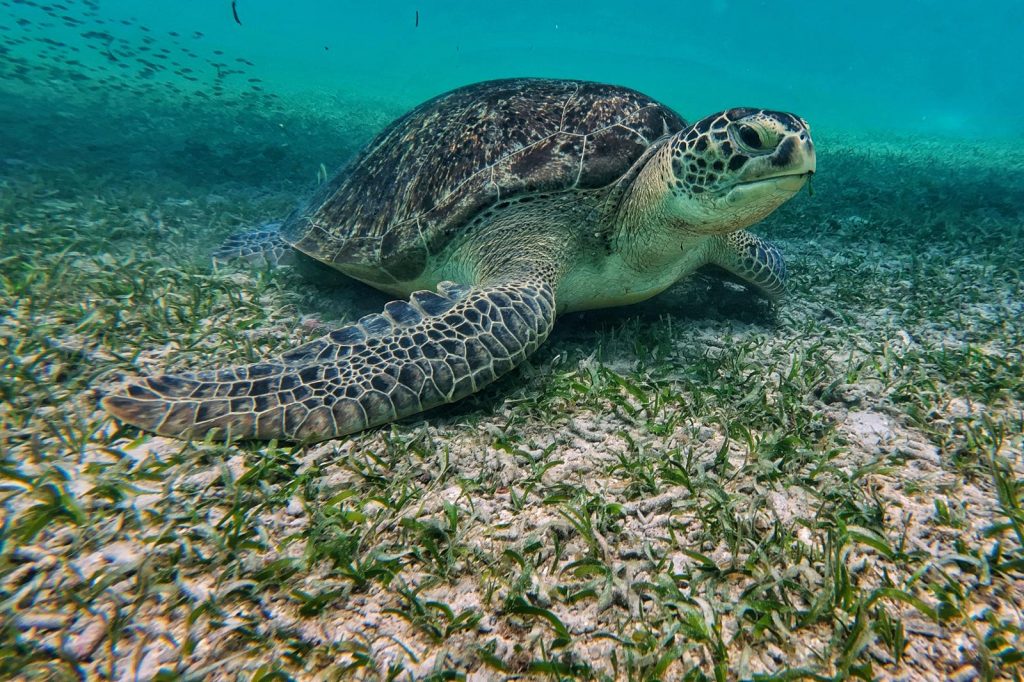
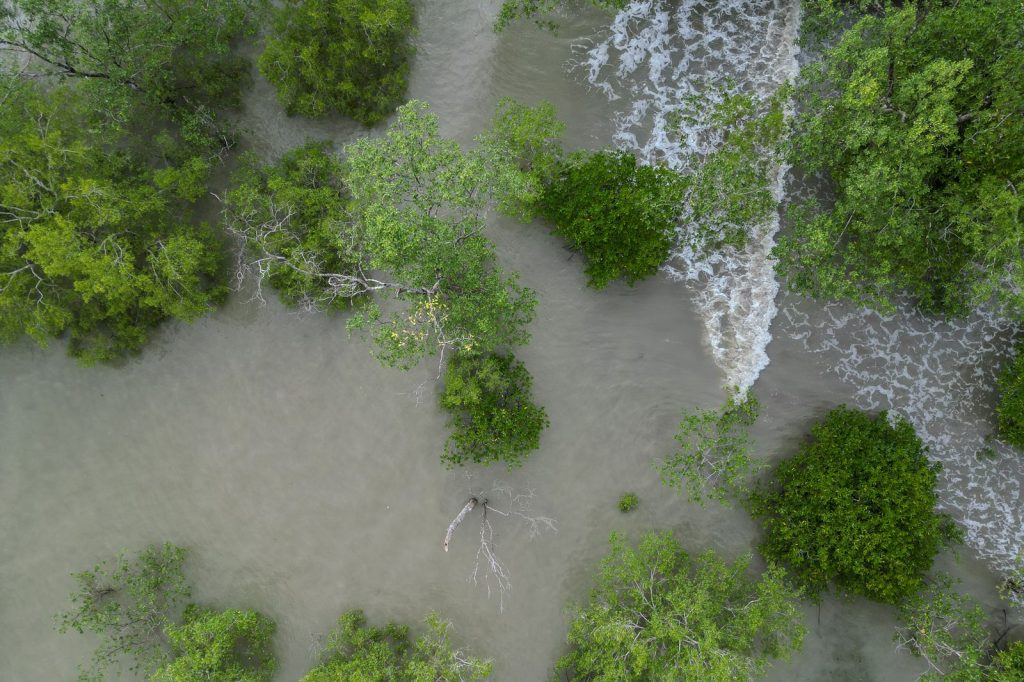
At low tide, the tangled roots of mangrove forests slowly emerge from the mud. Just offshore, seagrass meadows sway gently beneath the surface. These quiet coastal landscapes may seem unremarkable, yet they perform one of nature’s most valuable services. Day after day, they capture carbon dioxide from the atmosphere and lock it away beneath the ground for centuries. This natural process is known as blue carbon. For decades, these ecosystems received far less attention than tropical rainforests. Today, scientists recognize them as some of the planet’s most effective natural carbon sinks. Beyond climate regulation, they protect coastlines, support marine biodiversity and sustain millions of people who depend on healthy coastal environments. Understanding blue carbon means understanding how some of Earth’s most productive ecosystems quietly help regulate the climate.
Article by Damien Lafon
What is blue carbon?
Blue carbon refers to the carbon captured and stored by coastal ecosystems such as mangrove forests, seagrass meadows and salt marshes. Like all plants, these habitats absorb carbon dioxide through photosynthesis. However, what makes them unique is not only how much carbon they capture, but where they store it.
Unlike terrestrial forests, most of their carbon remains buried beneath the surface. Dead leaves, roots and other organic material accumulate within waterlogged sediments where oxygen levels remain extremely low. Because decomposition slows dramatically, carbon can remain trapped for hundreds or even thousands of years.
This underground storage turns coastal wetlands into extraordinary natural carbon reservoirs. Every season adds another thin layer of organic matter, gradually building vast carbon-rich sediments beneath the vegetation. As long as these ecosystems remain healthy, the carbon stays safely locked away.
The concept of blue carbon emerged during the late 2000s as researchers began comparing coastal ecosystems with tropical forests. Their findings transformed the way scientists view mangroves and seagrass habitats. Rather than being overlooked coastal landscapes, they are now considered critical allies in addressing climate change.
Why do these ecosystems capture so much carbon?
Mangroves, seagrass meadows and salt marshes share several characteristics that make them remarkably efficient carbon sinks. Their vegetation grows quickly and continuously produces leaves, roots and stems. Over time, much of this organic material settles into the surrounding sediments.
On land, oxygen allows microorganisms to break down dead vegetation relatively quickly. Coastal wetlands function differently. Their soils remain permanently saturated with water, creating oxygen-poor conditions that slow decomposition. As a result, organic matter accumulates instead of disappearing.
This gradual accumulation explains why blue carbon ecosystems store far more carbon than many terrestrial habitats. The true carbon reservoir lies below ground rather than above it. Some mangrove sediments preserve carbon that has remained buried for several thousand years.
According to the United Nations Environment Programme, blue carbon ecosystems may store up to ten times more carbon per hectare than certain tropical forests. Their efficiency depends not only on plant growth but also on the exceptional capacity of their sediments to preserve organic material over long periods.
This balance, however, is extremely fragile. When mangroves are cleared or coastal wetlands are drained, buried sediments become exposed to oxygen. Carbon that remained stable for centuries begins returning to the atmosphere as carbon dioxide. A natural carbon sink can quickly become a significant source of greenhouse gas emissions.
Protecting these ecosystems therefore delivers two major benefits. It prevents the release of ancient carbon while allowing new carbon to continue accumulating naturally.
Did you know?
Seagrasses are not seaweeds. They are true flowering plants with roots, leaves and seeds. Some species have evolved in the ocean for more than 100 million years. Today, they rank among the world’s most efficient ecosystems for long-term carbon storage.
More Than Carbon: Safe Havens for Biodiversity
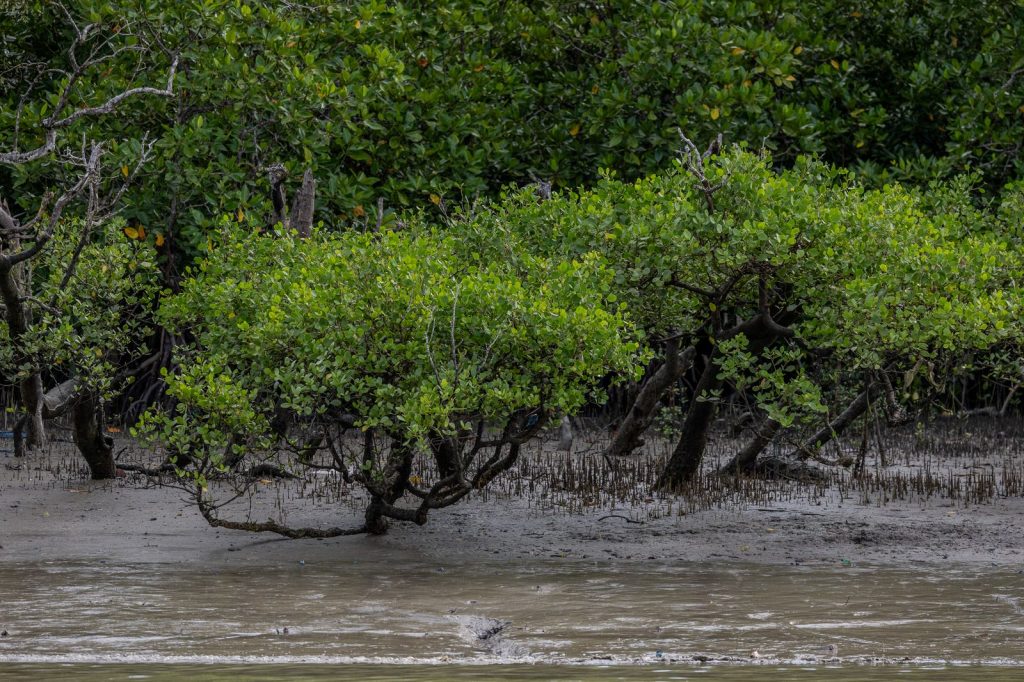
Blue carbon ecosystems provide far more than climate regulation. They also rank among the richest habitats for marine and coastal biodiversity. Beneath the dense canopy of mangrove forests and within the underwater blades of seagrass meadows, countless species find shelter, food and breeding grounds.
Many commercially important fish begin their lives among mangrove roots, where the intricate network offers protection from predators. Juvenile groupers, snappers and other reef species depend on these nurseries before migrating into deeper coastal waters. Crabs, shrimp and mollusks also thrive in these nutrient-rich environments.
Seagrass meadows perform a similar role beneath the surface. Their dense vegetation provides refuge for seahorses, juvenile fish and countless invertebrates. Green turtles regularly graze on seagrass, while dugongs rely almost entirely on these underwater meadows for food. Losing seagrass means threatening the survival of many species that depend on it.
Salt marshes complete this ecological network by supporting migratory birds, insects and countless microorganisms. Together, these three ecosystems form a connected coastal landscape where energy and nutrients move continuously between land and sea.
Healthy coastal wetlands also sustain local fisheries, improve water quality by filtering sediments and pollutants, and reduce shoreline erosion. Their ecological value extends well beyond carbon storage. Protecting them means preserving entire food webs that support both wildlife and coastal communities.
Scientists increasingly describe blue carbon ecosystems as nature-based solutions because they deliver multiple benefits simultaneously. They help regulate the climate while strengthening biodiversity, fisheries and the resilience of coastal societies.
Why Are Blue Carbon Ecosystems Disappearing So Quickly?
Despite their remarkable importance, blue carbon ecosystems are disappearing at an alarming rate. Around the world, mangrove forests, seagrass meadows and salt marshes continue to decline under growing human pressure.
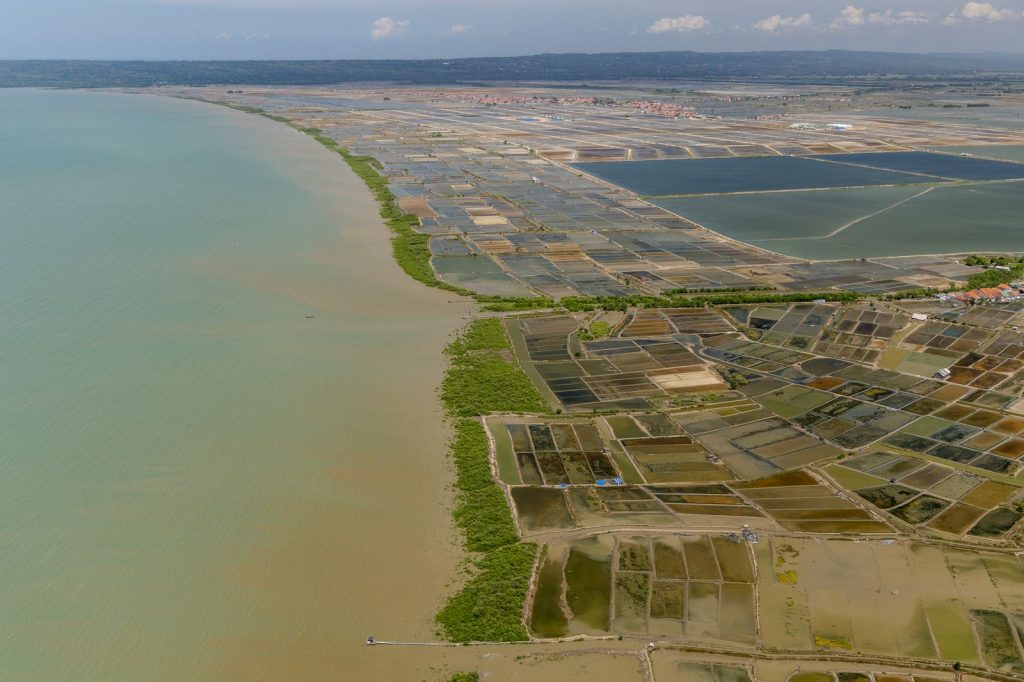
Coastal development remains one of the leading causes. Expanding cities, ports, tourism infrastructure and industrial zones often replace natural wetlands. In many regions, mangroves have also been cleared to make way for shrimp farms or other forms of aquaculture, permanently altering coastal landscapes.
Pollution adds another layer of pressure. Agricultural runoff, untreated wastewater and plastic waste reduce water quality, making it increasingly difficult for sensitive habitats such as seagrass meadows to survive. Boat anchors, dredging operations and heavy maritime traffic further damage fragile underwater ecosystems.
Climate change is intensifying these threats. Rising sea levels, stronger storms and increasing ocean temperatures place additional stress on coastal habitats that are already under pressure. While some ecosystems can naturally adapt, many are now changing faster than they can recover.
The consequences extend far beyond biodiversity loss. When these ecosystems are destroyed, centuries of stored carbon may be released back into the atmosphere. Instead of acting as natural carbon sinks, degraded wetlands become new sources of greenhouse gas emissions, accelerating global warming.
This creates a dangerous feedback loop. Climate change weakens coastal ecosystems, and their destruction contributes even more carbon to the atmosphere. Breaking this cycle has become one of the major challenges for coastal conservation worldwide.
Did you know?
Mangrove forests can reduce wave energy by up to 66 percent within the first 100 meters of forest, helping protect coastal communities from storms, erosion and flooding while storing large amounts of carbon beneath their roots.
Restoring Mangroves Is Not Enough
As awareness of blue carbon grows, many countries are investing in the restoration of coastal ecosystems. Indonesia, the Philippines, Australia and Colombia have launched ambitious programs to replant mangrove forests, restore seagrass meadows and rehabilitate degraded wetlands. These initiatives aim to increase carbon storage, strengthen coastal resilience and encourage the return of biodiversity. They also support fisheries and the livelihoods of millions of people who depend on healthy coastal environments.
Yet restoration is far more complex than simply planting trees. A mature coastal ecosystem is the result of decades, sometimes centuries, of natural development. Tides, sediments, salinity, water circulation and countless living organisms interact to create a delicate ecological balance. Planting mangroves in the wrong location or without understanding local conditions often produces disappointing results.
Some restoration projects focus on the number of trees planted rather than on the long-term health of the ecosystem. Without suitable hydrology or proper species selection, many young mangroves fail to survive. Successful restoration requires careful planning, scientific monitoring and the active involvement of local communities.
For this reason, conservation scientists emphasize a simple principle. Restoring damaged ecosystems is valuable, but protecting those that remain intact is even more effective. Every mangrove forest or seagrass meadow preserved today represents centuries of carbon storage that would otherwise be difficult, if not impossible, to replace.
Blue Carbon: A Powerful Ally Against Climate Change
Blue carbon is becoming an increasingly important component of international climate strategies. However, it should never be viewed as a substitute for reducing greenhouse gas emissions. Coastal ecosystems alone cannot offset the enormous amount of carbon produced by human activities. Instead, they represent one of the most effective nature-based solutions available today.
Their value extends well beyond carbon storage. Mangrove forests reduce the impact of storm surges and protect coastlines from erosion. Seagrass meadows stabilize the seabed, improve water quality and provide habitat for countless marine species. Salt marshes support biodiversity while acting as natural buffers against flooding. Few ecosystems deliver so many environmental services at the same time.
As scientific research continues, blue carbon is gaining recognition among governments, conservation organizations and climate experts worldwide. Protecting these coastal landscapes not only helps mitigate climate change but also strengthens biodiversity, food security and the resilience of coastal communities.
The growing interest in blue carbon reflects a broader understanding that healthy ecosystems are among our greatest allies in facing environmental challenges. Rather than relying solely on technological solutions, we are rediscovering the extraordinary capacity of nature to regulate the planet’s climate.
Conclusion
Blue carbon reminds us that some of the most effective climate solutions already exist in nature. Hidden beneath the tangled roots of mangrove forests and the underwater leaves of seagrass meadows lies an immense reservoir of carbon that has accumulated over centuries. These ecosystems quietly regulate the climate while protecting coastlines and supporting an extraordinary diversity of life.
Safeguarding blue carbon ecosystems is about far more than conserving beautiful landscapes. It means preserving natural processes that benefit both people and wildlife. Every mangrove forest protected, every seagrass meadow restored and every salt marsh conserved contributes to a healthier ocean and a more stable climate.
As the world searches for solutions to climate change, blue carbon offers an important reminder. Nature has been capturing and storing carbon long before humans understood the process. Protecting these ecosystems may be one of the wisest investments we can make for the future of our planet.
FAQ
Blue carbon refers to the carbon captured and stored by coastal ecosystems such as mangrove forests, seagrass meadows and salt marshes. Most of this carbon is locked away in waterlogged sediments for centuries or even millennia.
Mangrove soils contain very little oxygen, which dramatically slows the decomposition of organic matter. As a result, carbon remains trapped beneath the surface for exceptionally long periods.
No. Although phytoplankton absorbs vast amounts of carbon dioxide through photosynthesis, it does not permanently store carbon in coastal sediments. For this reason, it is not included in the scientific definition of blue carbon.
Seagrass meadows capture carbon, stabilize the seabed, improve water quality and provide habitat for numerous marine species, including sea turtles, seahorses and dugongs.
Yes, but it is not a stand-alone solution. Protecting blue carbon ecosystems complements efforts to reduce greenhouse gas emissions while delivering significant benefits for biodiversity and coastal resilience.
Follow us on Instagram and Facebook to stay informed
This article may be of interest to you: Ocean Currents: The Invisible Highways of the Oceans