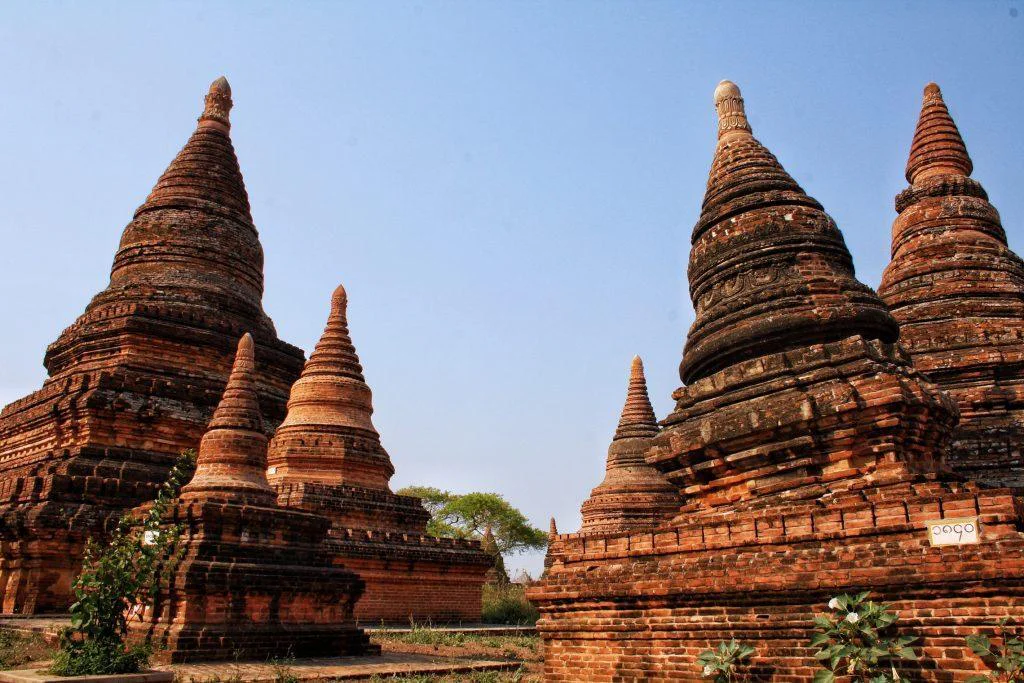
In the heart of Myanmar lies a land adorned with the remnants of the olden times. Welcome to Bagan, often revered as the “sea of temples”, where every stone whispers tales of a glorious past.
By Damien Lafon / edited by Sherenna Scheers

Located along the gentle curve of the Ayeyarwady River in the central plain of Myanmar, there exists an ancient city covered with beauty and historical meaning.
At one point, Bagan had as many as 10,000 temples
Bagan’s story is one steeped in rich history and cultural heritage. At its zenith, this sacred land was adorned with an amazing array of Buddhist temples, numbering close to 10,000.
Each of these architectural wonders, built between the 11th and 13th centuries, served as a way for rulers and wealthy individuals to gain merit and demonstrate their faithfulness to Buddhism. These temples were also places where people could pray, learn, and gather with others in their community. The sheer number of temples in Bagan is a testament to the religious and cultural significance of the area during that time.
However, the passage of time and the ravages of weather have taken their toll, leaving behind approximately 2,000 temples that still stand today.
Bagan was the first capital of the Pagan Kingdom
From the 9th to the 13th centuries, Bagan flourished as the first capital of the Pagan Kingdom, a period marked by growth and prosperity. It was during this time that the city reached its glory, Bagan played an important role in building the development of the Burmese language and culture, promoting the recognition of the Bamar ethnic group in Upper Myanmar and the growth of Theravada Buddhism in Myanmar and mainland Southeast Asia.
Exploring Bagan today feels like a journey through the past, where each temple provides a window into the rich history and culture of the region. Travellers can wander through the ancient ruins, encountering prominent temples such as the Ananda Temple, Htilominlo Temple, Shwezigon Pagoda, Thatbinnyu Temple, and Myinkaba Gubyaukgyi Temple, each offering its own unique story and architectural splendour.
The place to see Myanmar’s magical sunrise and sunset
The sight of the sun rising and setting in Bagan is truly breathtaking, capturing the different colours of the sky. In the early morning, as the first light of dawn peeks over the horizon, it casts a soft golden glow across the ancient temples. The sky gradually transforms into a a hues of pink, orange, and purple painting the clouds, creating a stunning backdrop against the silhouettes of the temples.
Similarly, in the evening, as the sun begins to dip below the horizon, the sky transforms once again, this time into a breathtaking palette of fiery oranges and deep purples. The fading light casts long shadows across the ancient ruins that envelops the entire landscape.
Bagan is a living legacy
Beyond just the sight of its temples, Bagan’s charm lies in its genuineness a proof of the varied range of Buddhist monuments that dot its scenery. From grand pagodas adorned with fancy carvings to simple shrines nestled amidst lush greenery, Bagan’s architectural mix tells a tale of change and strength.
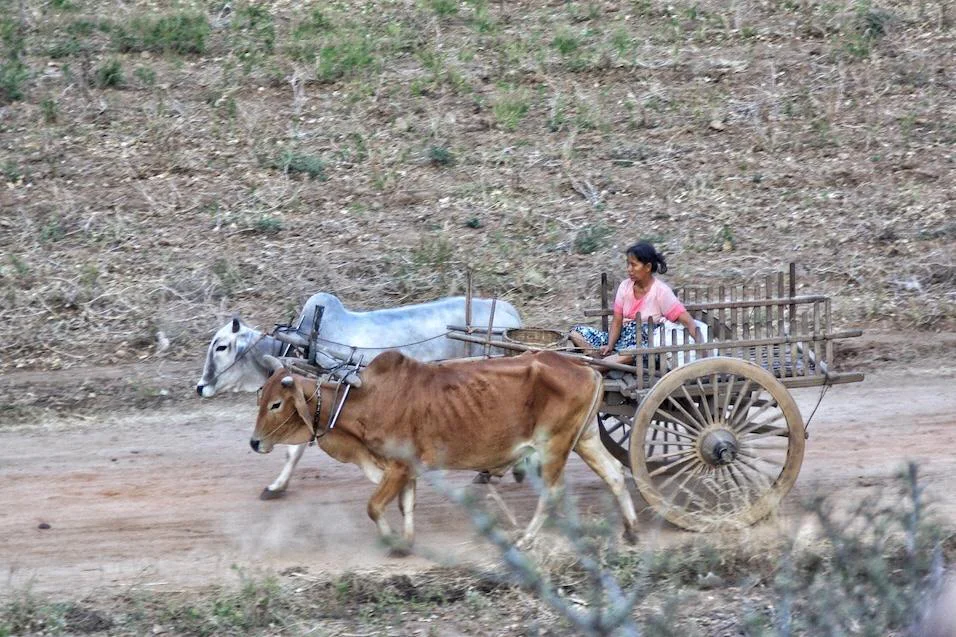
But what truly sets Bagan apart is its living legacy is the land of religious and cultural traditions that continue to thrive even in the modern world. Each day, locals and pilgrims alike gather within the temple surroundings, offering prayers and performing rituals that have echoed through the centuries.
Despite the passage of time and the challenges it has faced, Bagan remains a place of profound significance and beauty and Bagan was finally listed as a UNESCO World Heritage Site in 2015. Its temples stand as silent witnesses to the passage of history, reminding us of the enduring legacy of the people who once called this place home. As you wander through the ancient ruins, you can’t help but feel a sense of awe and reverence for the incredible achievements of those who came before you.
As the land of ten thousand temples, Bagan is a place like no other. Its rich history, stunning architecture, and breathtaking landscapes make it a must-visit destination for travellers from around the world. So, pack your bags and begin a journey into the heart of Myanmar’s rich cultural heritage and spiritual legacy.
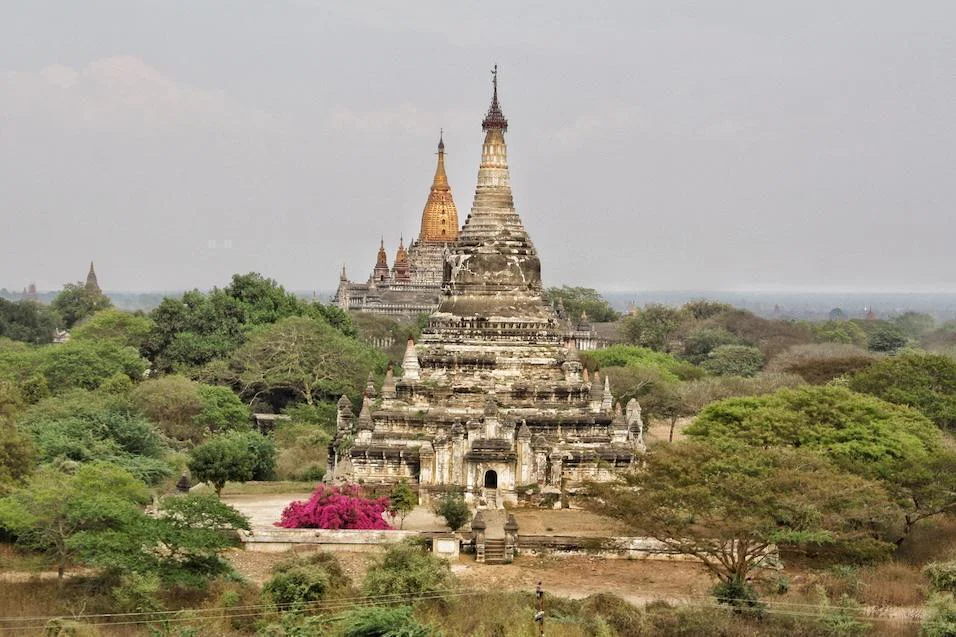
The temples of Bagan in Myanmar are famous for their extraordinary collection of Buddhist monuments. Built mainly between the 11th and 13th centuries, thousands of temples, stupas and monasteries reflect the artistic and spiritual heritage of the ancient Bagan Kingdom.
More than 2,000 Buddhist temples, pagodas and other religious monuments remain across the Bagan Archaeological Zone. At its height, the ancient city contained several thousand religious structures, making it one of Southeast Asia’s most remarkable archaeological landscapes.
Yes. Bagan was inscribed on the UNESCO World Heritage List in 2019. Its temples, Buddhist art and archaeological landscape reflect centuries of religious devotion and cultural history in Myanmar.
Follow us on Instagram and Facebook to stay informed
This article may interest you: The Batu Caves: Hindu sanctuary in the heart of Malaysia