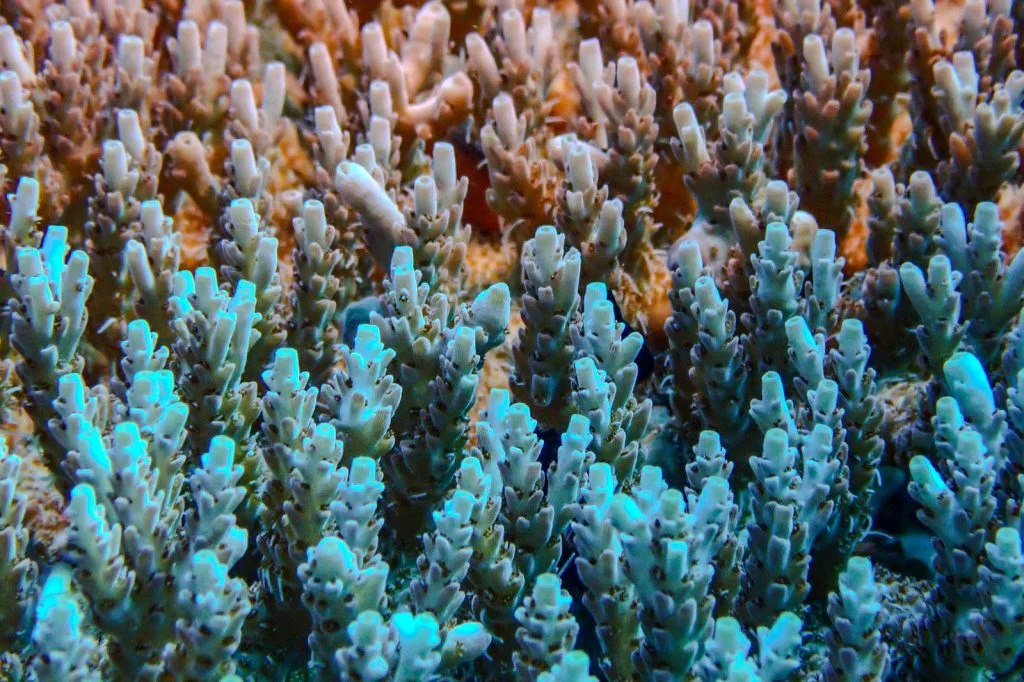
Beneath Singapore’s busy southern waters lies a hidden world of coral reefs and marine life. Now, plans to merge several islands into one vast development could put these fragile habitats at risk.
Singapore has spent decades reshaping its coastline to make room for growth. Now, the country is planning another major change. In August 2026, Prime Minister Lawrence Wong announced plans to join several islands into a new Western Island.
The project could create space for new industries, energy facilities and defence needs. However, its future remains uncertain. The government has yet to decide on the final design, construction methods or timeline. Environmental studies will help guide those decisions.
Meanwhile, marine scientists and nature groups are raising concerns about what could be lost beneath the waves.
The waters around these islands support some of Singapore’s most valuable remaining marine habitats. Conservation groups estimate that the area contains around 590 hectares of coral reefs, or roughly 60% of the country’s reef habitat.
For researchers, the concern goes beyond the loss of individual reefs. These waters also support marine life that depends on connected habitats to survive.
As Singapore looks towards its next phase of growth, an important question remains: what will happen to the ecosystems already living beneath its shores?
Reefs That Survived a Changing City
Singapore’s coral reefs have endured extraordinary pressure. Since the 1960s, the city-state has lost around two-thirds of its original reef habitat. Coastal reclamation, dredging, shipping and industrial development transformed much of the shoreline.
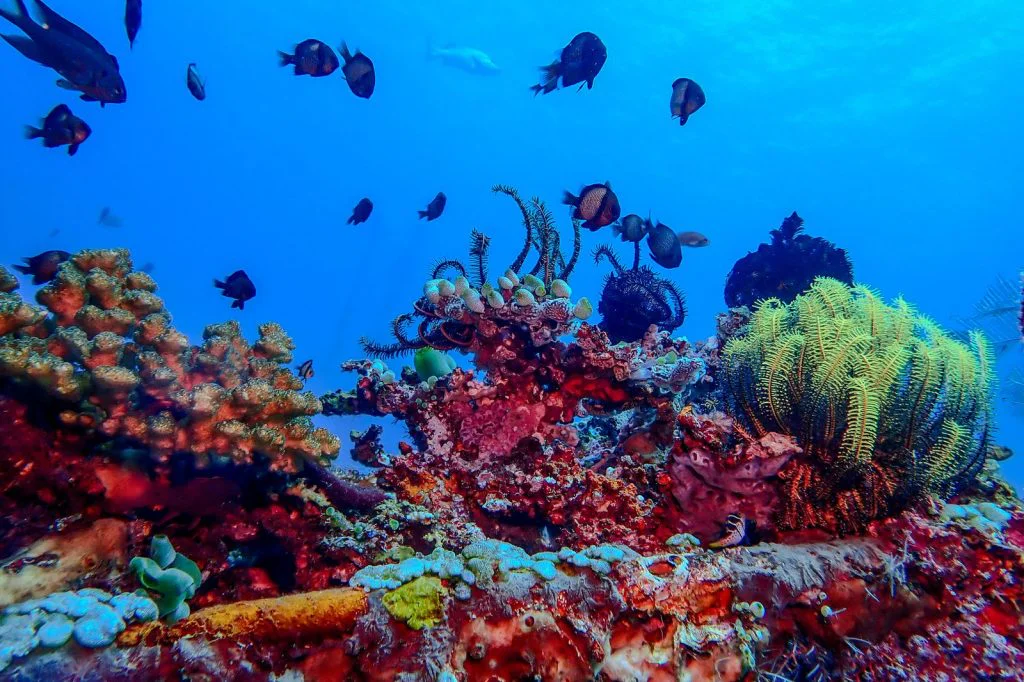
Yet coral communities survived around several southern islands. These include Pulau Hantu, Pulau Jong, Pulau Semakau, Pulau Sudong and other nearby islands. Despite highly urbanised surroundings, Singapore still supports more than 250 species of hard coral. Around 120 reef fish species also inhabit its waters.
Some surviving reefs contain large and mature coral colonies capable of reproduction. Their larvae can travel with currents and potentially replenish other damaged reefs. This makes their ecological value larger than their physical footprint alone.
When Reclamation Reaches the Seabed
Creating new land often requires huge amounts of sand and other materials. Workers use these materials to raise the ground above the seabed. However, this process can bury coral reefs and damage marine habitats.
Construction can also release large amounts of sediment into the water. As a result, less sunlight reaches corals and seagrass meadows. Fine particles may also settle on coral colonies, making it harder for them to feed and grow.
Singapore has decades of experience with land reclamation. Over time, the country has introduced environmental studies, monitoring programmes and measures to reduce damage.
However, the Western Island project is still in its early stages. Authorities have not yet decided on the final design, construction methods or timeline. They have also not confirmed how much marine habitat could be affected.
According to Singapore’s Ministry of National Development, future studies will examine the risks to biodiversity and marine ecosystems. The findings will help guide the final plans. Source: Ministry of National Development
More Than a Biodiversity Issue
The concerns go beyond coral reefs. Singapore’s southern islands also hold cultural meaning for the Orang Laut, sea communities with deep roots in the region.
For generations, these communities have relied on fishing grounds, currents, reefs and islands for their way of life. Their knowledge of the sea has passed from one generation to the next.
Today, some Orang Laut fishers worry that new land reclamation could change the waters they know. Shifting currents, more sediment and reduced access to fishing areas could affect their daily lives.
Similar problems have followed earlier coastal developments. According to reporting by Mongabay, some fishing communities have already faced changing sea conditions and lower catches.
The Western Island project therefore raises another question. How can Singapore protect both marine wildlife and the cultural ties that people have built with these waters?
A Difficult Balance
Singapore faces a complex challenge. Land is limited, while growing industries and future needs place pressure on the space available. Rising sea levels also make coastal planning an important concern.
However, the country’s remaining natural habitats are becoming more valuable as others disappear. Coral reefs provide shelter for marine life and support the wider coastal ecosystem.
The Western Island project could take many years to develop. Its final size, design and impact remain uncertain.
For now, there is still time to study the risks, consider other options and involve the communities concerned. The government has said that environmental findings will be open to public feedback before final plans are made.
Singapore’s coral reefs have survived decades of industrial growth, urban expansion and changes to the coastline.
The question now is whether they can survive the next transformation.
Did You Know?
Singapore has lost around two-thirds of its original coral reef habitat since the 1960s. Yet more than 250 hard coral species still occur in its waters.
FAQ
It is a proposed development that would connect several southern islands through land reclamation. The government sees it supporting future industrial, energy and defence needs.
Conservationists estimate the project area contains around 590 hectares of reefs. This represents roughly 60% of Singapore’s remaining coral habitat.
No. The government has not announced a final design or construction timeline. Environmental, technical and feasibility studies still need to take place.
They support substantial marine biodiversity despite decades of urban development. Mature coral colonies can also produce larvae that disperse to surrounding reefs.
Potentially. Orang Laut communities have historic and cultural links with these waters. Some fishers worry about changes to fishing grounds, currents and access.
Sources
Channel NewsAsia – NDR 2026: Semakau, Bukom and Pulau Sudong may be merged into new island.
Channel NewsAsia – Marine community fears loss of biodiversity hotspot to proposed western island development.
NParks Singapore – Coastal and Marine Ecosystems.
Singapore Ministry of Sustainability and the Environment – Parliamentary reply on the proposed Western Island and Semakau Landfill, September 2026.
Follow us on Instagram and Facebook to stay informed
This article may be of interest to you: How Do Coral Reefs Recover After a Disaster?