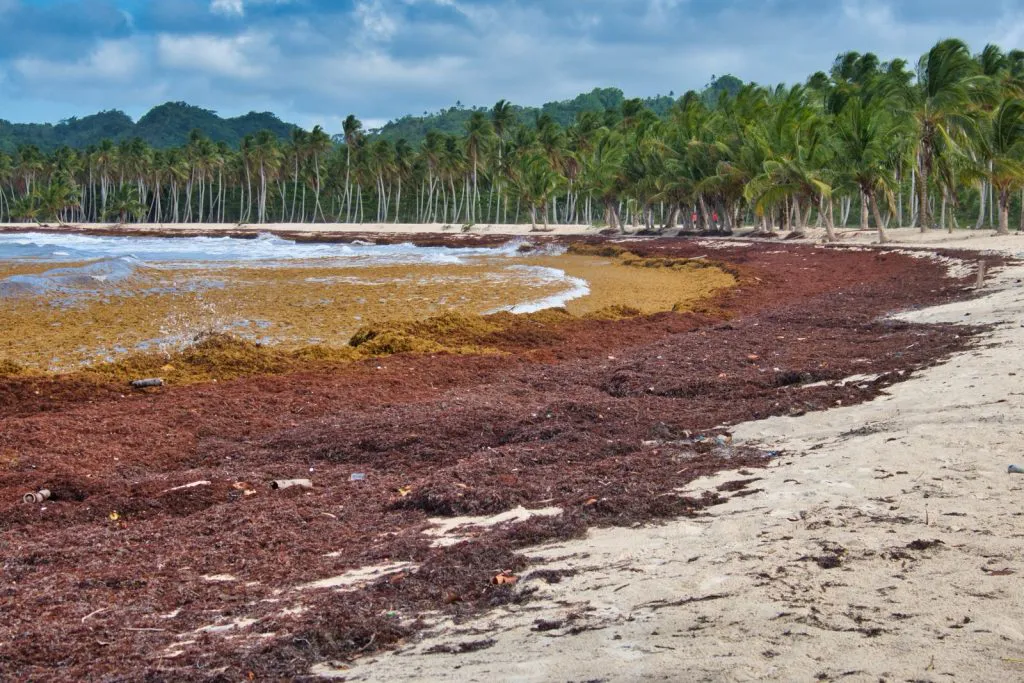
Across the Caribbean, once-clear beaches are turning brown. Thick layers of floating seaweed cover the water, block fishing boats, and release unpleasant gases as they decay. What was once a natural part of the ocean has become a growing environmental threat.
In 2026, massive sargassum blooms again spread across the tropical Atlantic. Satellite observations revealed near-record levels, raising concerns for marine life, tourism, and coastal communities.
A Growing Seaweed Crisis Across the Atlantic
Sargassum is a floating brown seaweed that naturally grows in the Atlantic Ocean. Unlike most seaweeds, it does not attach itself to the seabed.
In open water, it plays an important ecological role. Floating mats provide shelter for young fish, sea turtles, crabs, and other marine animals.
However, the situation changes when enormous amounts reach shallow coastal waters.
Since 2011, a vast region known as the Great Atlantic Sargassum Belt has developed across the tropical Atlantic. Ocean currents carry these floating masses towards the Caribbean, Mexico, and parts of West Africa.
According to NASA, June 2026 brought the second-highest sargassum levels recorded by satellite monitoring. The Caribbean Sea and Gulf of Mexico both reached regional records.
Although the blooms declined by October, scientists reported that several regions remained above normal seasonal levels.
How Sargassum Destroys Coastal Ecosystems
When thick mats of sargassum reach the shore, they can cause severe ecological damage.
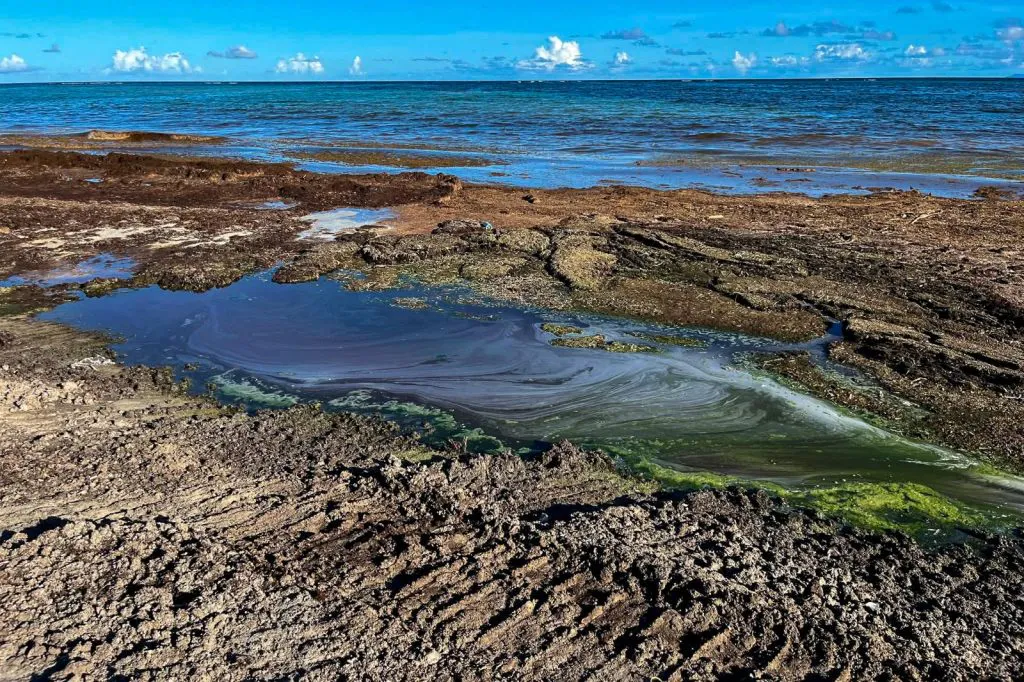
The seaweed blocks sunlight from reaching underwater plants. As it breaks down, bacteria consume oxygen in the surrounding water. Fish and other marine animals may struggle to survive.
Seagrass beds are particularly vulnerable. These underwater habitats support fish, protect shorelines, and provide feeding grounds for sea turtles.
Coral reefs can also suffer. Large accumulations reduce water quality, while sinking seaweed may smother sensitive marine organisms.
In some coastal areas, repeated invasions have changed the structure of shallow marine habitats. The damage can continue long after the seaweed disappears.
Toxic Gases Threaten Coastal Communities
The environmental crisis also reaches people living near affected beaches.
As sargassum decomposes, it releases hydrogen sulfide, a gas known for its strong smell of rotten eggs.
At sufficient concentrations, exposure can cause headaches, eye irritation, nausea, and breathing problems. People with respiratory conditions may face greater risks.
According to the US Environmental Protection Agency, decaying sargassum can also release ammonia and carry potentially harmful pollutants.
For coastal families, the consequences extend beyond an unpleasant smell. Large accumulations can affect daily life, outdoor activities, and working conditions.
Fishing and Tourism Under Pressure
The economic impact is particularly serious for communities that depend on the sea.
Fishing boats can struggle to leave harbours blocked by dense seaweed. Fishing gear may become tangled, while declining water quality can affect local catches.
Tourism businesses face similar problems. Beaches covered in rotting seaweed lose their appeal, and hotels must invest in repeated cleanup operations.
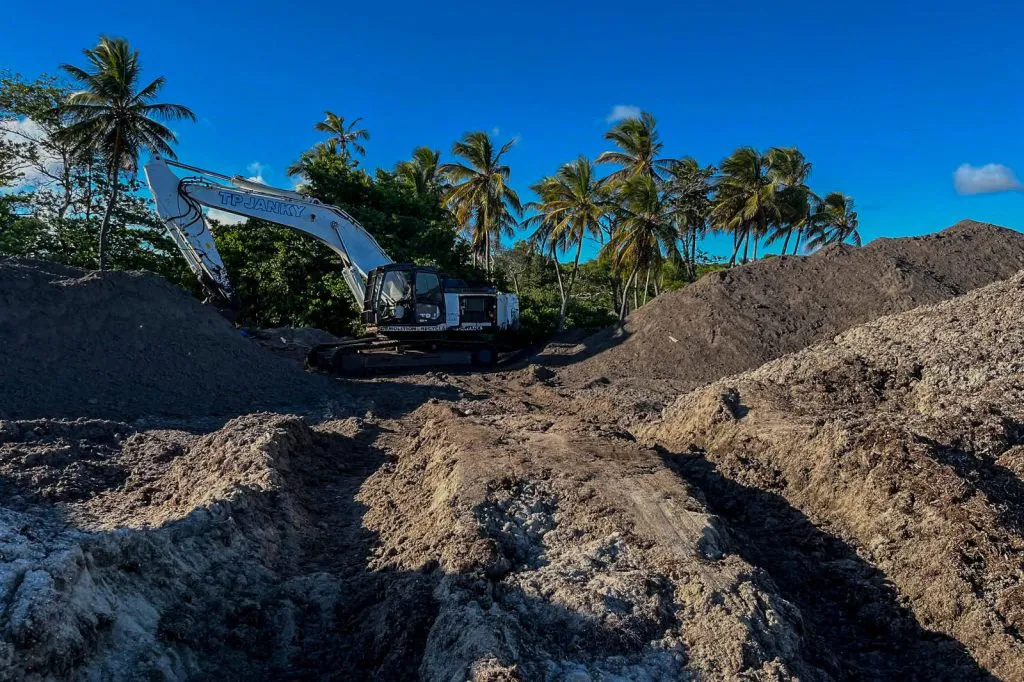
In Mexico’s Caribbean region, authorities have deployed barriers, boats, and collection teams to manage the problem.
Yet removing the seaweed is costly. Heavy machinery can also damage beaches and disturb coastal wildlife.
Can the Sargassum Crisis Be Stopped?
Scientists are still studying why these blooms have expanded so dramatically.
Ocean currents, changing weather patterns, and nutrient availability all influence sargassum growth. Research also suggests that nutrients recycled within floating mats may help sustain large blooms.
Meanwhile, satellite monitoring offers communities valuable warning time before major arrivals.
Some researchers are exploring ways to transform collected seaweed into useful materials. However, potential contamination makes safe processing essential.
For now, there is no simple solution.
Sargassum remains a valuable part of the open ocean. The challenge is preventing its massive coastal arrivals from becoming another lasting threat to marine ecosystems and the people who depend on them.
Sources
NASA — Sizing Up the Sargassum Belt (2026)
University of South Florida — October 2026 Sargassum Outlook
US EPA — Sargassum and Human Health
Nature Communications — Changing Drivers of the Sargassum Belt (2026)
Photo Hero royalty-free photo
Follow us on Instagram and Facebook to stay informed
This article may be of interest to you: LEMBONGAN – Between Tradition and a Changing Sea