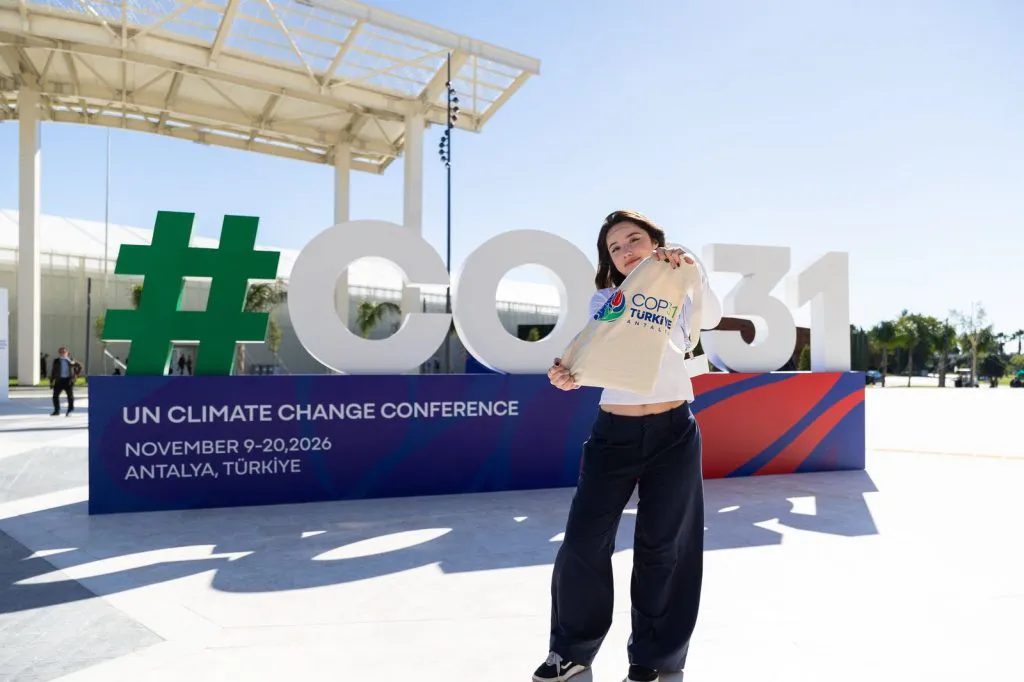
The COP31 climate summit begins today in Antalya, Turkey, bringing world leaders, scientists and negotiators together for two weeks of talks on the future of global climate action.
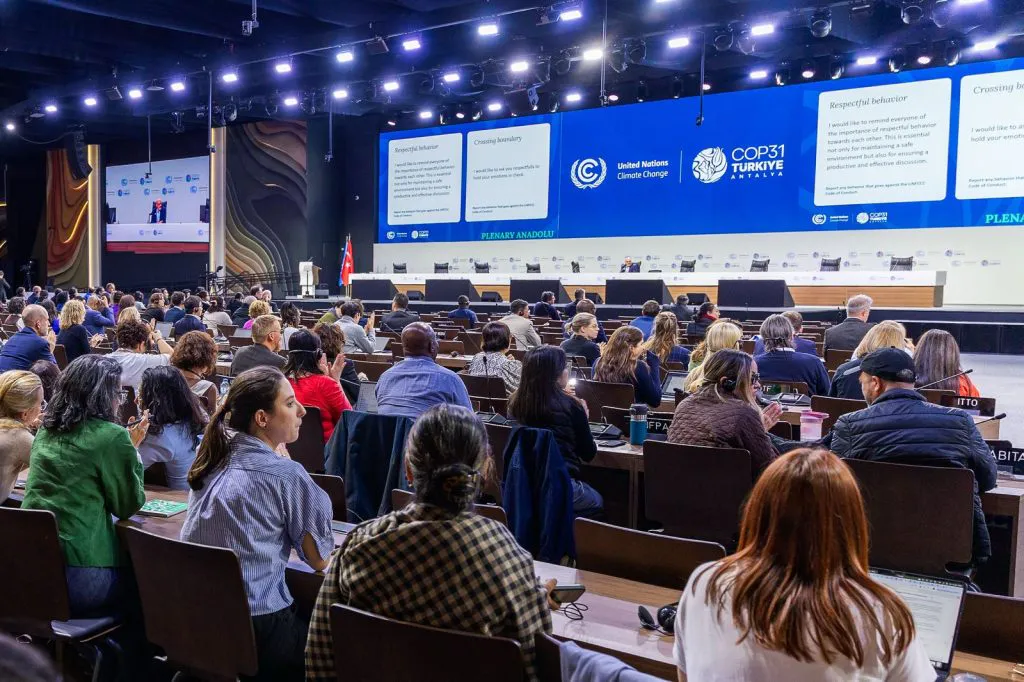
From November 9 to 20, countries will discuss how to reduce greenhouse gas emissions, finance climate solutions and protect communities already facing the effects of a warming planet.
The challenge is familiar. Governments have made promises before, but turning those commitments into meaningful action remains difficult. This year, the focus is increasingly on what countries can deliver.
From Climate Promises to Real Action
COP31 follows years of international negotiations aimed at limiting global warming under the Paris Agreement. Yet the gap between climate targets and actual progress remains a central concern.
Countries are expected to examine how national climate plans can translate into practical measures, from expanding renewable energy to improving transport and protecting natural ecosystems.
For developing nations, the question goes beyond reducing emissions. Many communities already face rising temperatures, coastal erosion, unpredictable rainfall and more frequent extreme weather.
Adapting to these changes requires infrastructure, reliable funding and long-term planning. Without these resources, even ambitious climate policies may struggle to produce results.
Climate Finance Remains a Major Challenge
Money will once again shape the negotiations.
Developing countries need financial support to strengthen climate resilience, protect vulnerable communities and move towards cleaner energy systems.
However, disagreements remain over how funding should be provided, who should contribute and how resources should reach those most affected.
The discussions will also address the transition away from fossil fuels, an issue closely linked to energy security and economic development.
Another important topic is public health. The World Health Organization has placed climate-related health risks on the COP31 agenda, highlighting the growing effects of heat, air pollution and extreme weather on human well-being.
What Could COP31 Actually Change?
The success of COP31 will depend on more than the final declarations.
Negotiators must find ways to turn international agreements into actions that countries can realistically implement and measure.
For coastal communities, farmers and people living near vulnerable ecosystems, the outcomes could influence future access to funding, adaptation programmes and environmental protection.
The summit also offers an opportunity to examine whether existing climate commitments are delivering measurable progress.
As discussions begin in Antalya, one question remains: can governments move beyond promises and agree on practical steps that make a difference?
The answer will become clearer when the conference concludes on November 20.
Sources
UN Climate Change (UNFCCC) – COP31 Official Conference — Official dates, programme and climate negotiations.
United Nations – COP31 Climate Conference 2026 — Global climate priorities and international cooperation.
World Health Organization – Health Day at COP31 — Climate change, public health and resilience.
IISD – COP31 Presidency Outlines Priority Themes — Climate finance, energy transition and implementation priorities.
Credit Hero: ©️UN Climate Change – Kubilay Citfci)
Follow us on Instagram and Facebook to stay informed
This article may be of interest to you: Floods in Southeast Asia: Why Extreme Rainfall Is Becoming a Growing Threat