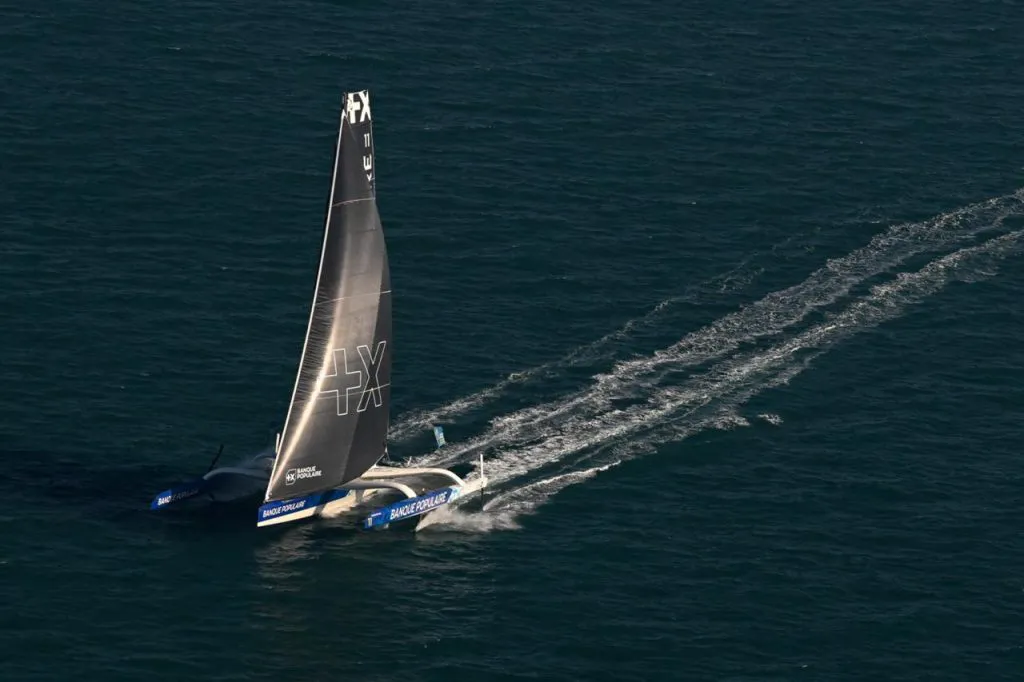
From Saint-Malo to Guadeloupe, the Route du Rhum 2026 takes sailors across the vast Atlantic. Alone at sea, they face powerful winds, rough waves, and long days with little sleep. Beyond the race, their journey reveals the challenges of life at sea.
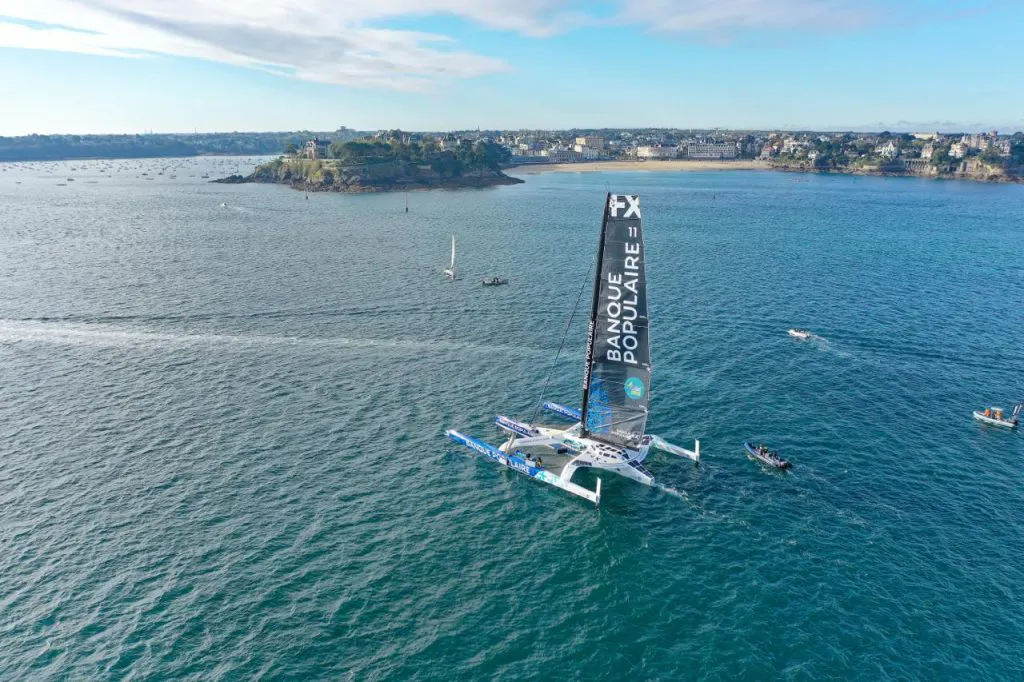
On November 1, 2026, 115 sailors set off from Saint-Malo, France, towards the Caribbean. Ahead lay more than 6,500 kilometres of open water. Each competitor would need to navigate, manage equipment, and make difficult choices without a crew.
For some, victory is the ultimate goal. Others simply hope to reach Guadeloupe after weeks at sea. Yet every sailor shares the same uncertainty. Weather conditions can change within hours, while fatigue and technical problems may alter their plans. The Route du Rhum is a test of skill, patience, and human endurance.
Route du Rhum 2026: A Race Across the Atlantic
Every four years, the Route du Rhum brings sailors together for one of the world’s great ocean races. The journey starts in Saint-Malo, on the coast of Brittany. It ends in Pointe-à-Pitre, on the Caribbean island of Guadeloupe.
The official route covers 3,542 nautical miles, or about 6,560 kilometres. However, sailors often travel farther. They must choose their path based on the wind, the waves, and changing weather. A longer route can sometimes offer better sailing conditions.
The race first took place in 1978. Since then, it has become a major event in the sailing world. Its history includes famous victories, close finishes, and remarkable stories of survival. It also shows how much ocean sailing has changed.
The first race ended with a dramatic victory. Canadian sailor Mike Birch beat French sailor Michel Malinovsky by just 98 seconds. Both men had spent more than 23 days at sea. Their close finish helped make the Route du Rhum famous.
Today, the boats are faster and more advanced. Yet the main challenge remains the same. Each sailor must cross the Atlantic without a crew. They must make their own choices and deal with problems as they arise.
This year, the race includes six classes of boats. They range from huge racing trimarans to smaller yachts and older designs. The official IMOCA race information gives more details about the course and the fleet.
The Human Challenge of Sailing Alone
From land, ocean racing can look exciting and almost easy. Large boats race across the waves, while online maps show their progress. Yet life aboard tells a very different story. Every sailor must deal with long days, little sleep, and constant work.
There is always something to do. Sails need care, weather reports need checking, and equipment needs attention. Even simple jobs can become hard when the boat moves through rough water. A loose rope or a broken part may demand urgent action.
Sleep is one of the greatest challenges. Solo sailors cannot ask someone else to take control while they rest. Instead, they sleep for short periods and wake often to check their course. Over time, this lack of rest can affect their strength and focus.
The sea also places great demands on the body. Sailors must move across wet decks and keep their balance. Strong winds and waves can turn small tasks into difficult work. Food, water, and dry clothes become important parts of daily life.
Then there is the silence. Far from land, a sailor may spend days without seeing another person. A radio call or a message from home can offer comfort. Still, nobody is there to help when a problem appears.
For some sailors, this solitude is part of the attraction. It offers freedom from daily life and a chance to focus on the present. The sea sets the rhythm. Wind, light, and weather shape every hour.
The Route du Rhum tests both the body and the mind. Sailing skills matter, but so do patience and good judgment. A sailor must know when to push forward and when to slow down.
Weather, Waves and the Power of the Ocean
The Atlantic is never the same from one day to the next. Winds change, waves grow, and storms can form far from land. These forces shape every part of the race. No sailor can control them.
After leaving Saint-Malo, the fleet enters the English Channel and the Bay of Biscay. These waters can be difficult in autumn. Strong winds and large waves may arrive with little time to prepare. The first days can therefore be among the hardest.
Farther south, the sailors look for winds that can carry them west. Trade winds often help boats cross the Atlantic towards the Caribbean. However, finding the best route is rarely simple. A change in the weather can force a new plan.
Modern sailors use detailed forecasts and advanced navigation tools. These systems help them study wind speed, pressure, and sea conditions. Still, weather reports cannot predict every change. Experience remains just as important as technology.
The 2026 race has already shown why these choices matter. In its November 4 race report, IMOCA described an unusual weather pattern near the Azores. A large area of low pressure could bring difficult seas and affect the route towards Guadeloupe.
These conditions make the race more than a test of speed. Sailors must read the weather and protect their boats. Sometimes, the safest route is also the smartest one.
The ocean always has the final word.
When Technology Meets Human Limits
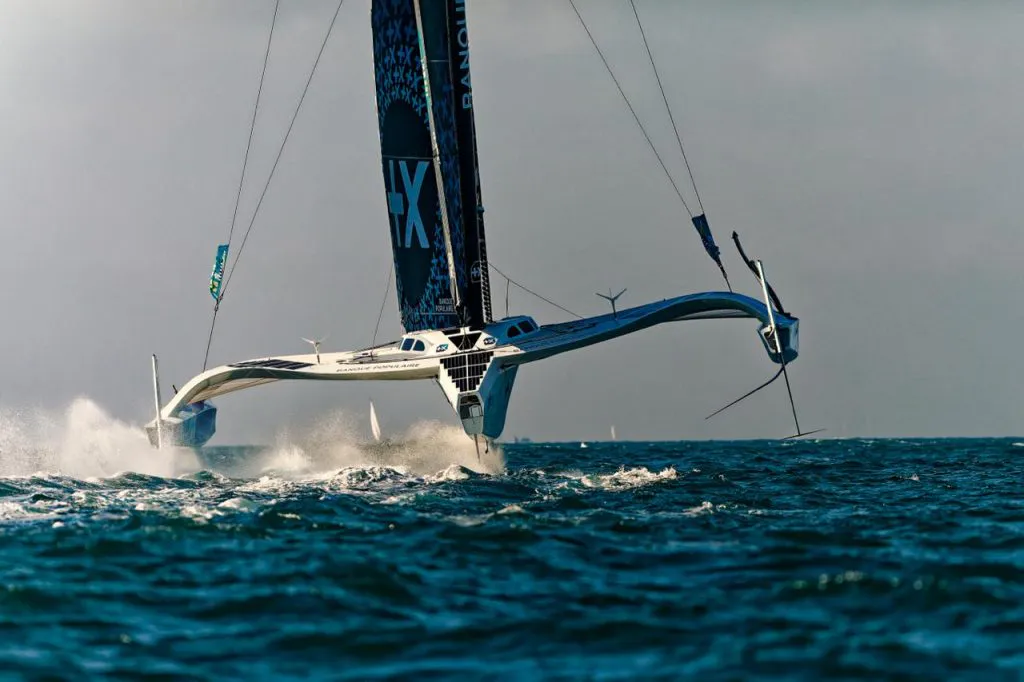
Sailing has changed greatly since the first Route du Rhum. Modern racing boats use light materials, strong sails, and advanced design. Some also have foils that help lift the hull above the water. This can reduce drag and increase speed.
The largest boats belong to the Ultim class. These giant trimarans can travel at remarkable speeds when conditions are right. Their size and power demand great skill. Every decision can affect both safety and performance.
IMOCA yachts also use modern racing technology. Many feature foils, advanced instruments, and systems that help sailors plan their routes. Yet faster boats can bring greater risks. Strong impacts place huge stress on the hull, sails, and other parts.
A single broken part can end a race. Sailors may need to repair equipment while waves hit the boat. Some problems are too serious to fix at sea.
The first days of the Route du Rhum 2026 brought clear examples. Violette Dorange and Romain Pilliard were involved in a collision soon after the start. Both sailors were safe, but their boats suffered damage. Dorange had to return towards the French coast.
Other competitors also faced setbacks. Armel Tripon withdrew after damage to a rudder. Jérémie Beyou ended his race for medical reasons. These events showed how quickly plans can change at sea.
The IMOCA report on the opening days explains how these incidents affected the race.
For other sailors, the crossing continues. Each day brings fresh choices about speed, safety, and the route ahead. A fast boat may offer an advantage, but it cannot remove every danger.
Modern technology has made ocean racing faster. It has not made the Atlantic easy.
Beyond the Race: The Ocean as a Living World
For the sailors, the Atlantic becomes their home for days or weeks. There are no roads, buildings, or familiar places. Only the sea, the sky, and the changing weather surround them.
Life follows a different rhythm. Dawn brings new light over the water. At night, stars may fill the sky far from the lights of towns and cities. The wind and waves become part of daily life.
Wildlife can also appear along the way. Seabirds travel across open water, while flying fish live in warmer parts of the Atlantic. Such meetings can remind sailors that they share the ocean with many forms of life.
Yet the sea faces serious threats. Rising temperatures, plastic waste, and changes in marine habitats affect ocean life. These problems reach far beyond the paths used by racing boats.
The US National Oceanic and Atmospheric Administration explains how warming seas and changing ocean chemistry affect marine ecosystems. These changes can influence food chains, fish populations, and many other forms of life.
Ocean racing can help bring these subjects into public view. Sailors spend long periods in a place that most people never see. Their journeys can inspire interest in the sea and the need to understand it.
However, the sport also has an impact. Building high-tech boats uses energy and materials. Moving teams and equipment around the world creates further costs for the environment. These issues deserve attention as the sport grows.
The ocean is not simply a racecourse. It supports wildlife, connects distant lands, and helps shape our climate. For every sailor crossing the Atlantic, it is also a powerful reminder of nature’s scale.
Guadeloupe: More Than a Finish Line
After thousands of kilometres at sea, Guadeloupe comes into view. For the sailors, the island marks the end of a long and demanding journey. For local people, the Route du Rhum is also a major cultural and sporting event.
The race links two places with strong maritime histories. Saint-Malo has long been known for its sailors and Atlantic voyages. Guadeloupe has its own rich history, shaped by the Caribbean Sea and its links with the wider world.
In Pointe-à-Pitre, crowds gather to welcome the boats. The first sailors arrive after days at sea, while others may need several more weeks. Each arrival brings a different story.
Some sailors will celebrate a victory. Others will feel proud simply to finish. Many will remember difficult weather, damaged equipment, or long nights without sleep. Every crossing leaves its own mark.
Reaching land also means returning to a familiar world. After so much time alone, sailors can speak face to face, share a meal, and rest. The sound of voices replaces the constant wind and waves.
The Route du Rhum has held a special place in ocean sailing for nearly 50 years. Its appeal comes from more than records or fast boats. The race shows what people can achieve through care, skill, and determination.
It also reminds us that nature cannot be fully controlled. Even the best sailors must adapt to the sea. The ocean can offer moments of great beauty, but it can also change without warning.
For those taking part in 2026, the journey is far more than a race between France and Guadeloupe. It is a personal test across one of the world’s great oceans.
Beyond the rankings and the finish line, one image remains: a sailor alone on a small boat, surrounded by the vast Atlantic.
FAQ
The Route du Rhum 2026 is the 13th edition of a solo transatlantic sailing race. It began on November 1, connecting Saint-Malo in France with Pointe-à-Pitre in Guadeloupe.
The official route measures approximately 3,542 nautical miles, or 6,560 kilometres. Actual distances vary according to weather conditions and navigation decisions.
Each sailor crosses the Atlantic alone. They must manage navigation, equipment, sleep, changing weather, and technical problems without another crew member aboard.
Follow us on Instagram and Facebook to stay informed
This article may be of interest to you: Ocean Currents: The Invisible Highways of the Oceans