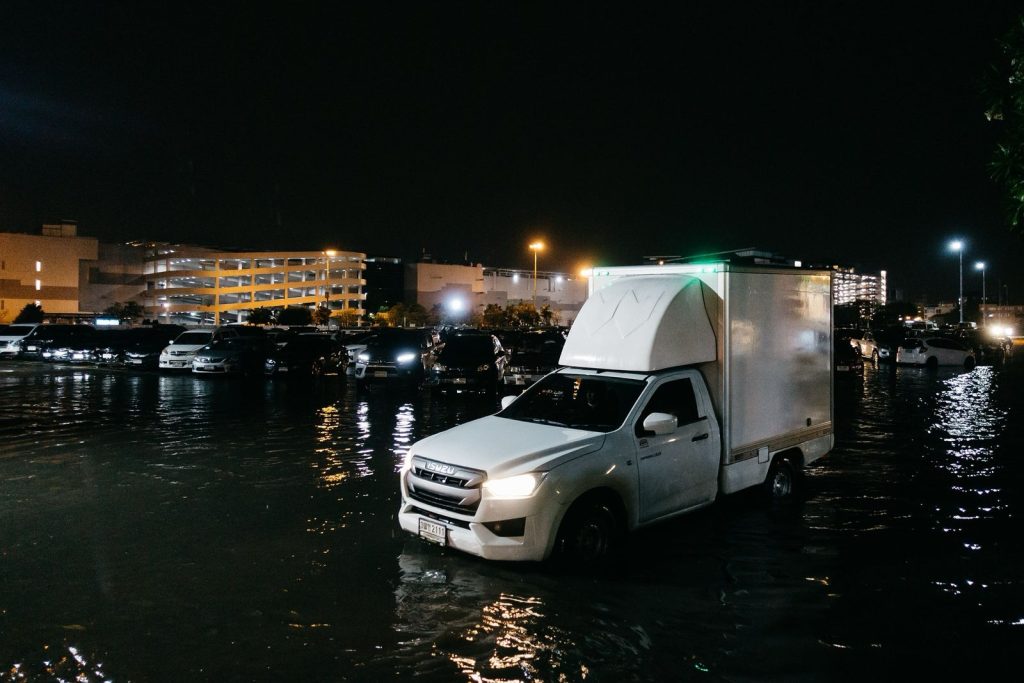
Bangkok has received almost a month’s worth of rain in just a few days. Across Southeast Asia, extreme rainfall, rapid urbanisation and climate change are combining to increase flood risk in some of the region’s most densely populated cities.
Article by Damien Lafon.
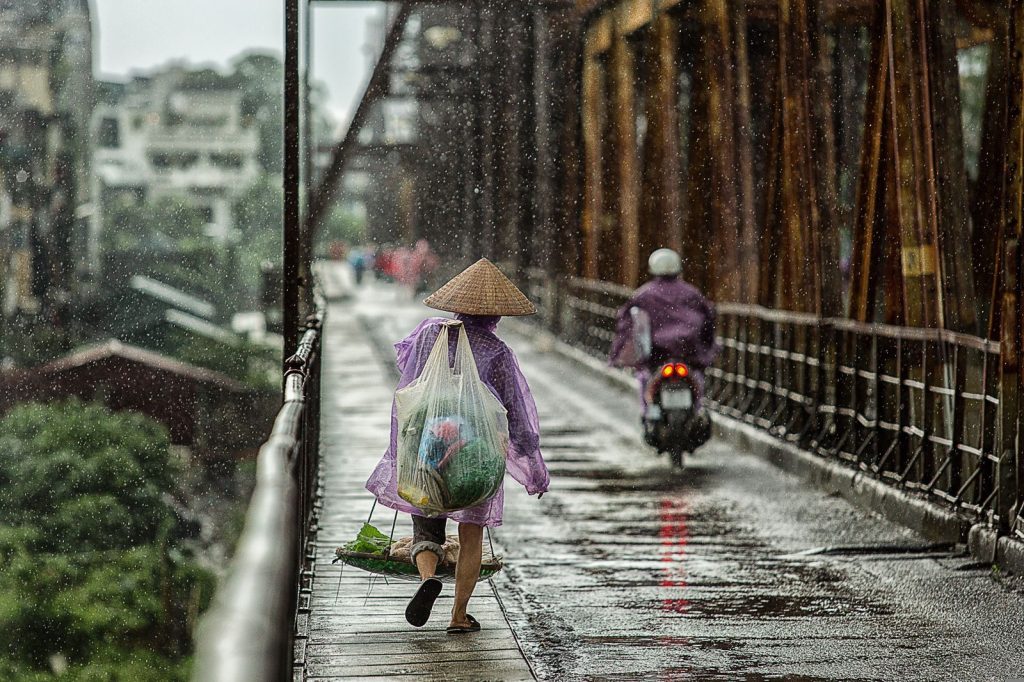
At the end of September 2026, parts of Bangkok disappeared beneath floodwater after several days of intense rainfall. Nearly 300 millimetres of rain fell in just 48 hours, while totals reached around 320 millimetres over two to three days close to what the Thai capital normally receives during the entire month of September. Thousands of residents were affected as roads flooded and drainage systems struggled to remove the water. Yet Bangkok’s situation reflects a much broader challenge across Southeast Asia.
A Region Already Shaped by Floods
Flooding is not new to Southeast Asia. Monsoons have shaped its rivers, floodplains and agricultural systems for centuries. Seasonal floods can replenish soils, support rice cultivation and maintain wetlands. However, the scale of exposure is changing rapidly. Cities have expanded across floodplains and coastal areas. Roads, buildings and concrete have replaced natural surfaces capable of absorbing rainfall. At the same time, growing populations and infrastructure are increasingly concentrated in vulnerable areas.
Bangkok is a clear example. The city sits on the lower Chao Phraya floodplain close to the Gulf of Thailand. According to the World Bank, the Chao Phraya basin contains around 40% of Thailand’s population, 78% of its workforce and 66% of its GDP. Flooding in this region therefore has consequences far beyond damaged streets. It can affect factories, transport networks, agriculture and international supply chains.
Why a Warmer Atmosphere Matters
Climate change adds another layer to this vulnerability. Warmer air can hold more water vapour. According to the World Meteorological Organization, atmospheric moisture capacity increases by approximately 7% for every 1°C of warming. This does not mean that rainfall automatically increases by 7% everywhere. However, when weather conditions favour heavy rain, a warmer atmosphere can provide more moisture and contribute to more intense precipitation.
The IPCC projects that much of East and Southeast Asia will experience more intense heavy rainfall events during the 21st century. The scale of human exposure is already substantial. Around 932 million urban residents across Asia live in areas facing high flood risk, according to figures cited by the IPCC.
When Cities Cannot Absorb the Rain
Climate alone does not explain the damage. Urban development changes how water moves. A forest, wetland or open soil can absorb part of a rainfall event. Concrete and asphalt cannot. As cities expand, rainwater reaches drainage systems and waterways faster.
When rainfall exceeds their capacity, streets can flood within hours. This is why the same amount of rain can cause very different consequences depending on where it falls. Extreme rainfall creates the hazard. Urban planning often determines the scale of the disaster.
A Challenge Across Southeast Asia
Bangkok is far from alone. Jakarta, Manila, Ho Chi Minh City and many other cities across Southeast Asia face combinations of intense rainfall, river flooding, coastal exposure, land subsidence and rising sea levels. In some places, several hazards can occur simultaneously. Heavy rainfall may coincide with high tides or swollen rivers, making it harder for water to drain towards the sea.
Governments are increasingly responding with larger drainage systems, flood-retention areas, restored wetlands and so-called “sponge city” approaches designed to absorb and temporarily store water. Mangroves and coastal wetlands can also provide natural protection by slowing water movement and reducing some forms of coastal flooding.
Still, no infrastructure can eliminate flood risk entirely. The challenge is therefore changing. Southeast Asian cities may have to move from trying to keep water out at all costs to designing urban areas capable of living with water without becoming paralysed by it. Bangkok’s September floods are another reminder that this transition may already be underway.
Sources
Reuters – Bangkok floods, September 2026.
IPCC – Climate Change 2022: Impacts, Adaptation and Vulnerability, Chapter 10: Asia.
World Meteorological Organization – Regional trends in extreme weather and heavy precipitation.
World Bank – Climate and flood-risk assessments for Thailand and the Chao Phraya basin.
Follow us on Instagram and Facebook to stay informed
This article may be of interest to you: Why do some rivers change direction over time?