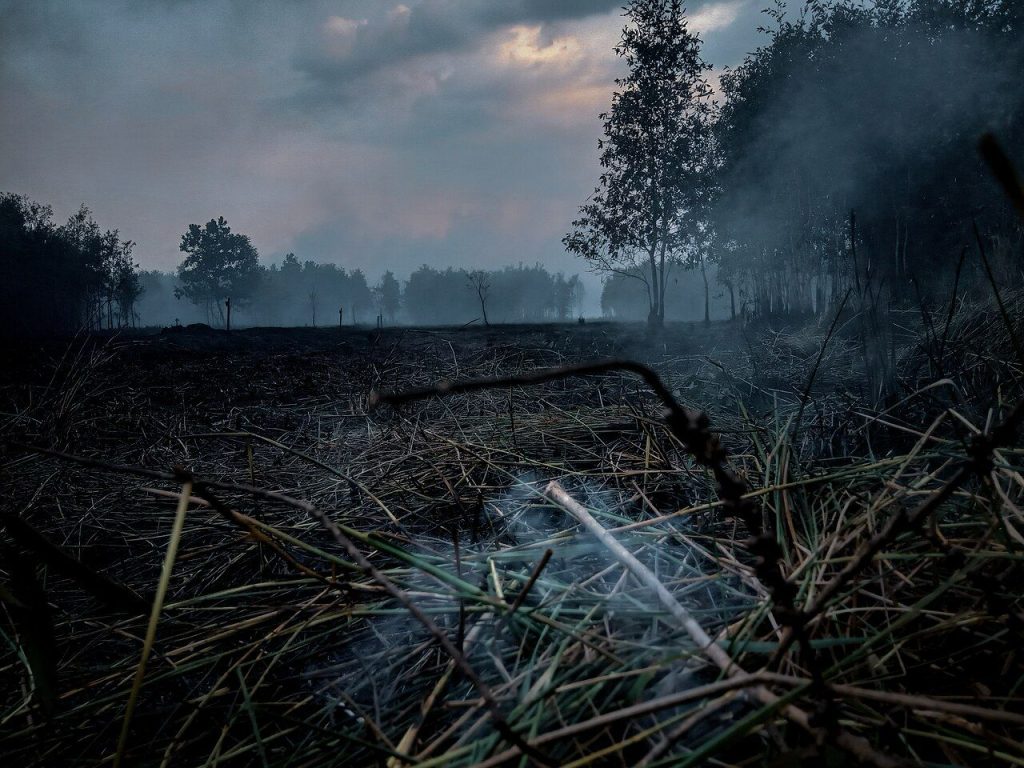
Indonesia is creating a new national agency to manage peatlands and mangroves as fires intensify across the archipelago. The decision revives a model abandoned less than two years ago. It also raises a key question: can a new institution solve problems that have persisted for decades?
A New Agency for an Old Problem
Indonesia has announced the creation of the National Peatland and Mangrove Management Agency, known as BPGMN. President Prabowo Subianto approved the agency after discussions with researchers and academics in Jakarta.
The announcement comes during a severe fire season. It also arrives less than two years after the previous Peatland and Mangrove Restoration Agency, or BRGM, ended its mandate in December 2024.
Indonesia first created a dedicated peat restoration body after the catastrophic 2015 fires. Those fires burned vast areas, generated regional haze and exposed the vulnerability of drained peatlands.
The new agency therefore revives a familiar strategy. However, environmental groups argue that its success will depend on long-term action, not simply a new institution.
Why Peatlands Burn So Easily
Healthy peatlands naturally hold large amounts of water. Layers of organic matter accumulate over thousands of years and store major quantities of carbon.
Problems begin when canals drain the land for plantations or other development. Once peat dries, it becomes highly flammable.
Fire can then move below the surface and continue smouldering for days or weeks. This makes peat fires difficult and expensive to extinguish.
Researchers advising the government say prevention remains far more effective than firefighting. Maintaining high groundwater levels is one of the most important measures.
Restoration Has Already Shown Results
Indonesia has already tested large-scale peat restoration.
The former BRGM agency blocked drainage canals, built wells and worked with communities across Sumatra and Kalimantan. Before its mandate ended, it reported interventions covering around 1.6 million hectares.
Research suggests these efforts helped reduce fire hotspots in restored areas. Rewetting drained peat can lower fire risk significantly, especially during dry years.
However, restoration infrastructure also needs constant maintenance. Canal blocks can deteriorate, while groundwater levels can fall again if neighbouring land remains heavily drained.
Restoring one site is therefore not enough.
The Bigger Challenge: Managing Entire Landscapes
Peat ecosystems rarely follow administrative boundaries.
One connected peatland can include protected forest, villages, palm oil plantations and industrial concessions. If one area stays drained, it can affect the wider landscape.
This means the new agency will need coordination between government ministries, local communities and companies.
BPGMN is expected to focus on major peatland regions in Sumatra and Kalimantan. Authorities also want to improve hotspot detection and strengthen community-based fire prevention.
Yet several important questions remain. The government still needs to clarify the agency’s long-term budget, legal authority and performance targets.
Did you know?
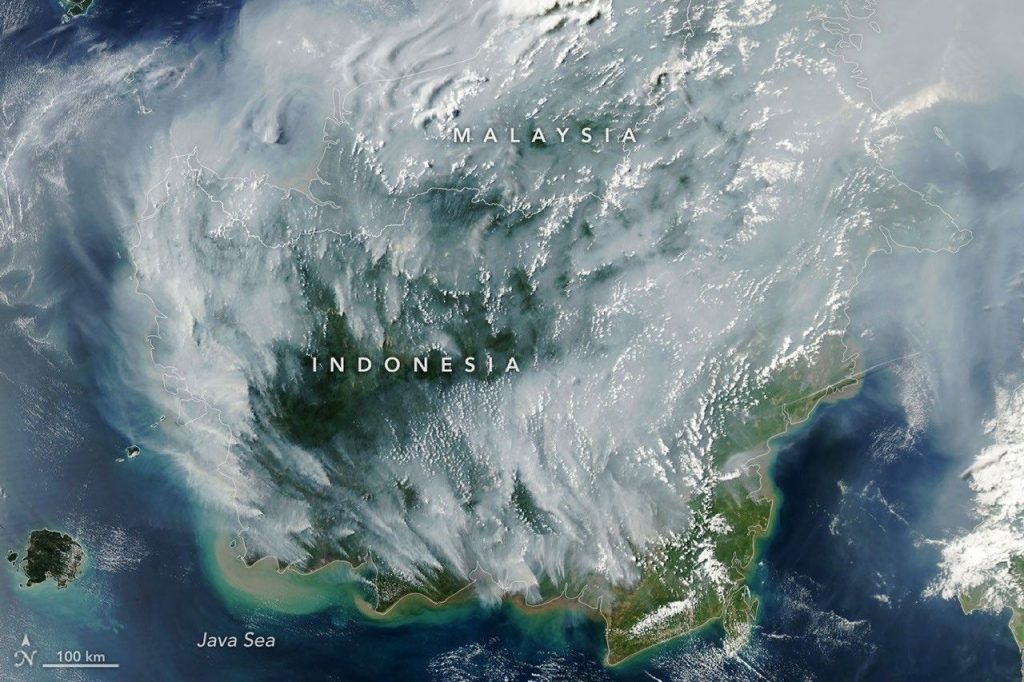
Tropical peatlands can store enormous quantities of carbon underground. When they burn, they release greenhouse gases and dense smoke that can travel far beyond the fire zone.
Prevention Before the Next Fire
Indonesia already knows many of the techniques needed to reduce peat fires. Canals can be blocked, water levels restored and fires detected earlier.
The real challenge is maintaining these efforts across millions of hectares over many years.
BPGMN represents another attempt to build that long-term strategy. Its success will not be measured only by the number of fires extinguished.
The real test is whether Indonesia can keep its peatlands wet enough to prevent future fires from starting.
FAQ
BPGMN is Indonesia’s new agency responsible for managing peatland and mangrove ecosystems.
Dry peat can burn underground and continue smouldering long after surface flames disappear.
Drainage often supports agriculture and plantation development but increases fire risk.
Yes. BRGM managed peatland and mangrove restoration until the end of 2024.
Yes. Rewetting and canal blocking can reduce fire risk, but long-term maintenance remains essential.
Follow us on Instagram and Facebook to stay informed
Credit Photo Hero: Muhammad Pasya Ramadhan